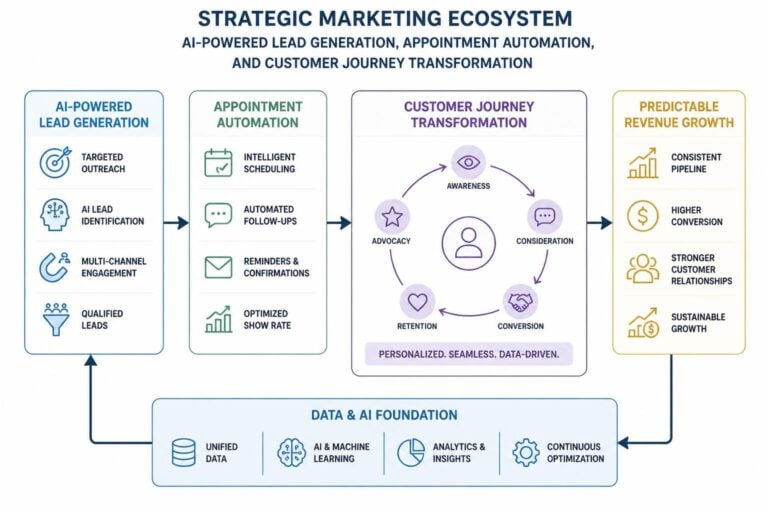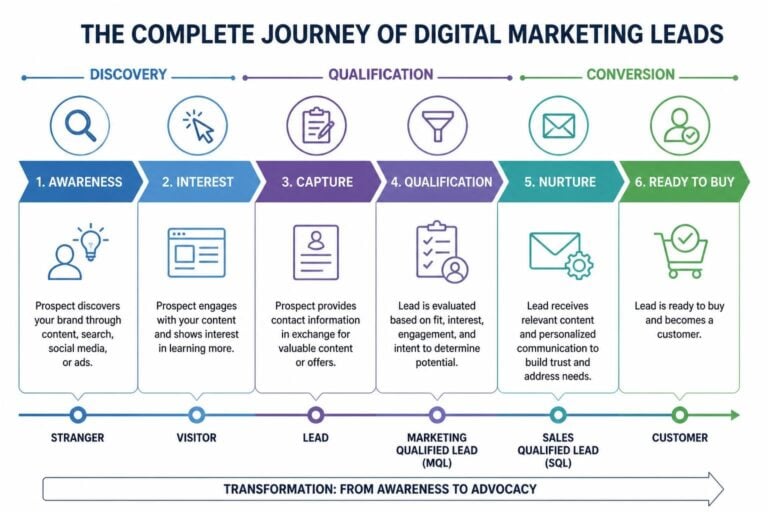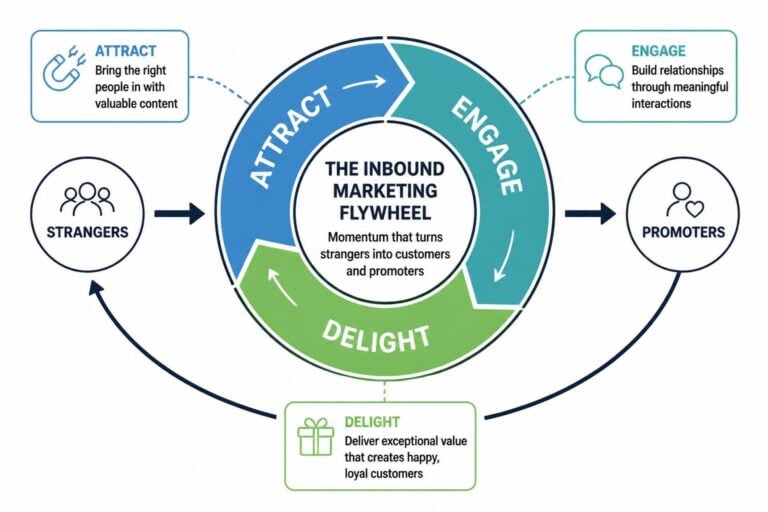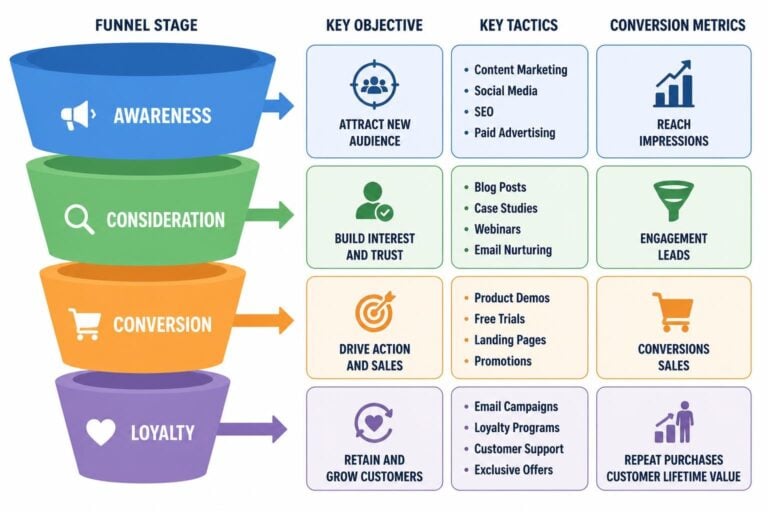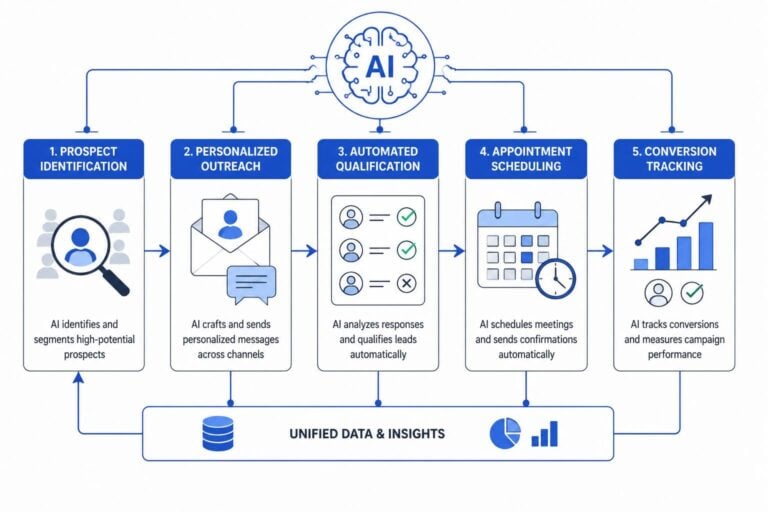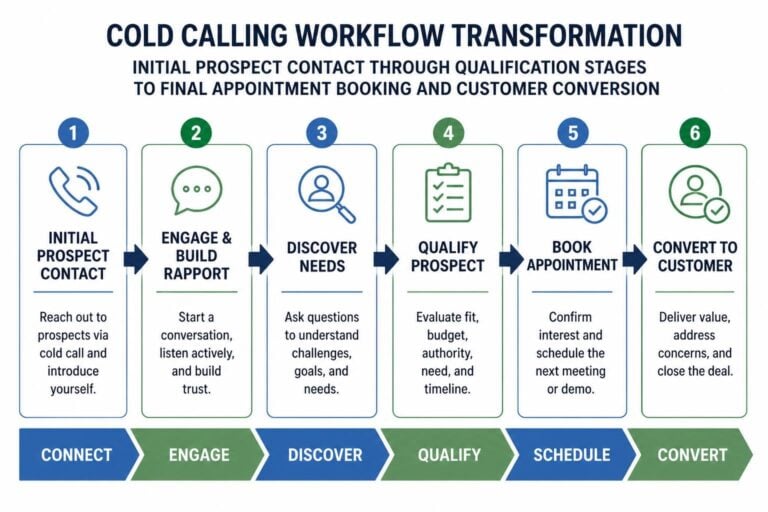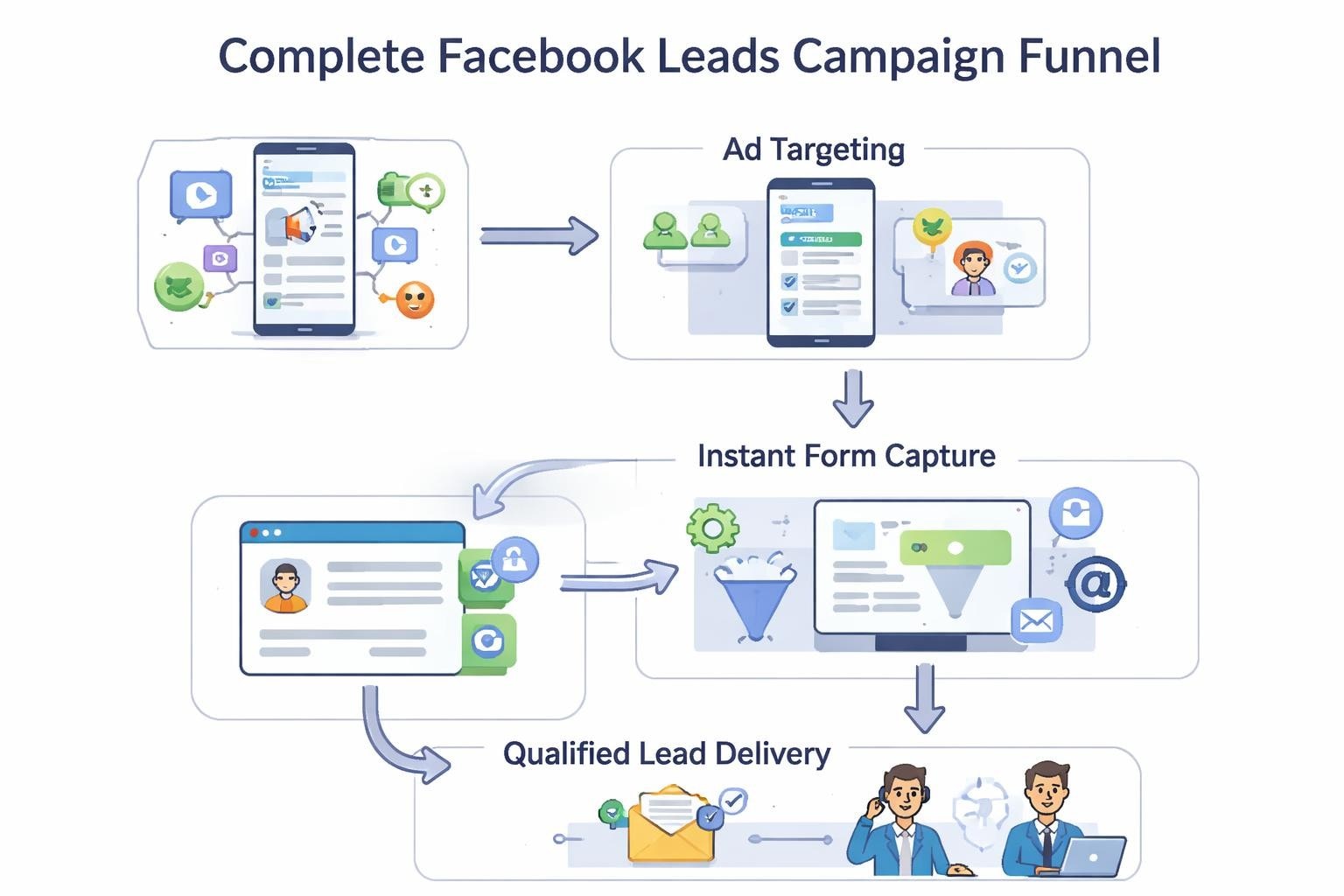

Running a successful facebook leads campaign in 2026 isn't just about creating an ad and hoping for the best. It's about building a strategic system that captures high-quality prospects, nurtures them intelligently, and delivers them ready to convert. With over 3 billion monthly active users, Facebook remains one of the most powerful platforms for lead generation, but the landscape has evolved dramatically. Today's winning campaigns combine precise targeting, frictionless form experiences, AI-powered automation, and data-driven optimization to transform cold audiences into qualified sales opportunities. Whether you're generating leads for your own business or managing campaigns for clients, understanding the modern facebook leads campaign framework is essential for staying competitive and profitable.
Why Facebook Leads Campaigns Dominate in 2026
The traditional approach of sending users to landing pages has become increasingly expensive and inefficient. Every extra click represents friction, and friction kills conversions.
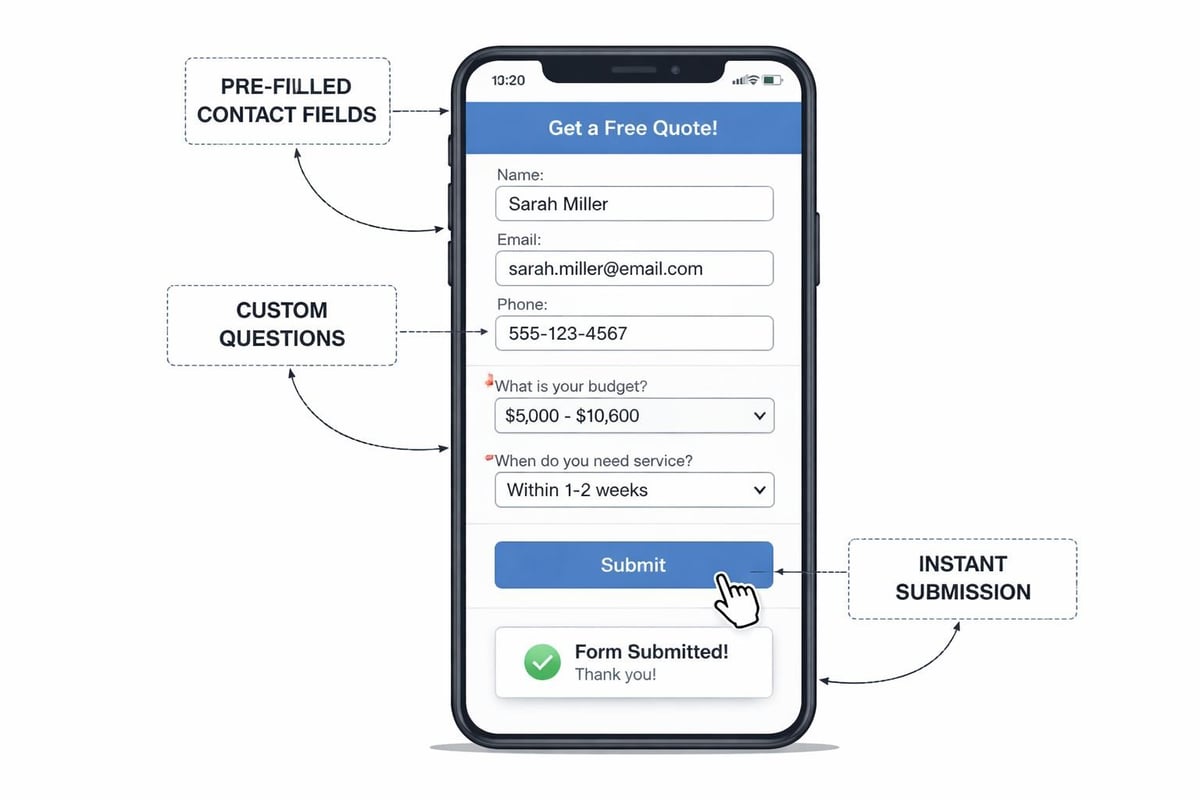
Facebook leads campaigns eliminate this friction entirely. Users complete forms directly within the Facebook or Instagram interface without ever leaving the platform. This seamless experience dramatically increases conversion rates while reducing cost per lead.
But the advantages extend far beyond convenience:
- Pre-filled information: Facebook automatically populates forms with user data, reducing completion time from minutes to seconds
- Mobile optimization: Over 80% of Facebook users access the platform via mobile devices, and native lead forms are designed specifically for thumb-friendly interaction
- Lower barriers to entry: Users don't need to trust an external website or worry about where their information is going
- Faster campaign deployment: No landing page development required, allowing you to test offers and messaging rapidly
According to best practices for Facebook Lead Ads in 2026, businesses using native lead forms see conversion rates 2-3x higher than traditional landing page campaigns. That's not a marginal improvement; it's a fundamental shift in campaign economics.
The platform's algorithm has also matured significantly. Meta's AI can now identify and target users most likely to complete your form based on billions of data points. This means your ads reach people who are genuinely interested in what you offer, not just random eyeballs.
The Cost Efficiency Advantage
When you compare lead generation campaign strategies across different platforms, Facebook consistently delivers the lowest cost per qualified lead for most industries. But this requires proper setup and optimization.
A well-structured facebook leads campaign in 2026 should aim for these benchmarks:
| Industry | Target CPL | Conversion Rate | Quality Score |
|---|---|---|---|
| B2B Services | $15-$35 | 12-18% | High |
| Real Estate | $8-$20 | 15-25% | Medium-High |
| Professional Services | $20-$45 | 10-15% | High |
| Home Services | $10-$25 | 18-30% | Medium |
These numbers assume proper campaign structure, audience targeting, and form optimization. Miss any of these elements, and your costs can quickly spiral out of control.
Building Your High-Converting Lead Form
The lead form itself is the engine of your facebook leads campaign. Get this wrong, and even the best targeting won't save you.
Start with the minimum viable information. Every additional field you add decreases completion rates by an average of 5-10%. Ask yourself: what information do you absolutely need to qualify and contact this lead?
For most B2B campaigns, this means:
- Full name
- Email address
- Phone number
- Company name
- One qualifying question
Consumer campaigns can often get away with even less. The step-by-step guide to creating Facebook Lead Ads emphasizes keeping forms under 30 seconds to complete.
Strategic Question Selection
Your custom questions serve two critical purposes: qualifying leads and gathering intelligence for your sales process. Choose wisely.
Effective qualifying questions:
- "What's your current monthly revenue?" (for business services)
- "When are you looking to make a decision?" (establishes urgency)
- "What's your biggest challenge with [problem area]?" (identifies pain points)
- "What's your budget for this solution?" (filters price shoppers)
Avoid vague questions like "Tell us about your business" that generate useless responses. Every question should either qualify the lead or provide actionable information for your sales team.
The privacy policy link is mandatory, but frame it naturally in your thank-you screen. Facebook lead ads best practices show that transparent data handling builds trust and improves form completion rates.
Mastering Campaign Structure and Targeting
Campaign architecture determines whether your facebook leads campaign scales profitably or burns through budget without results.
Use the three-tier testing framework:
- Campaign level: Set your objective to Lead Generation (not Conversions or Traffic)
- Ad set level: Create separate ad sets for each distinct audience segment
- Ad level: Test 3-5 creative variations within each ad set
This structure allows Facebook's algorithm to optimize effectively while giving you clear performance data. Never combine drastically different audiences in the same ad set, as this confuses the learning algorithm and increases costs.
Audience Targeting That Actually Works
Broad targeting might work for e-commerce, but lead generation demands precision. Your ideal customer has specific characteristics, pain points, and behaviors.
Build these audience types:
- Warm audiences: Website visitors (180-day window), email lists, social media engagers
- Lookalike audiences: 1-3% lookalikes based on your best customers or highest-value leads
- Interest-based audiences: Combine 3-5 related interests with demographic filters
- Behavioral audiences: Target based on purchase behavior, job roles, or life events
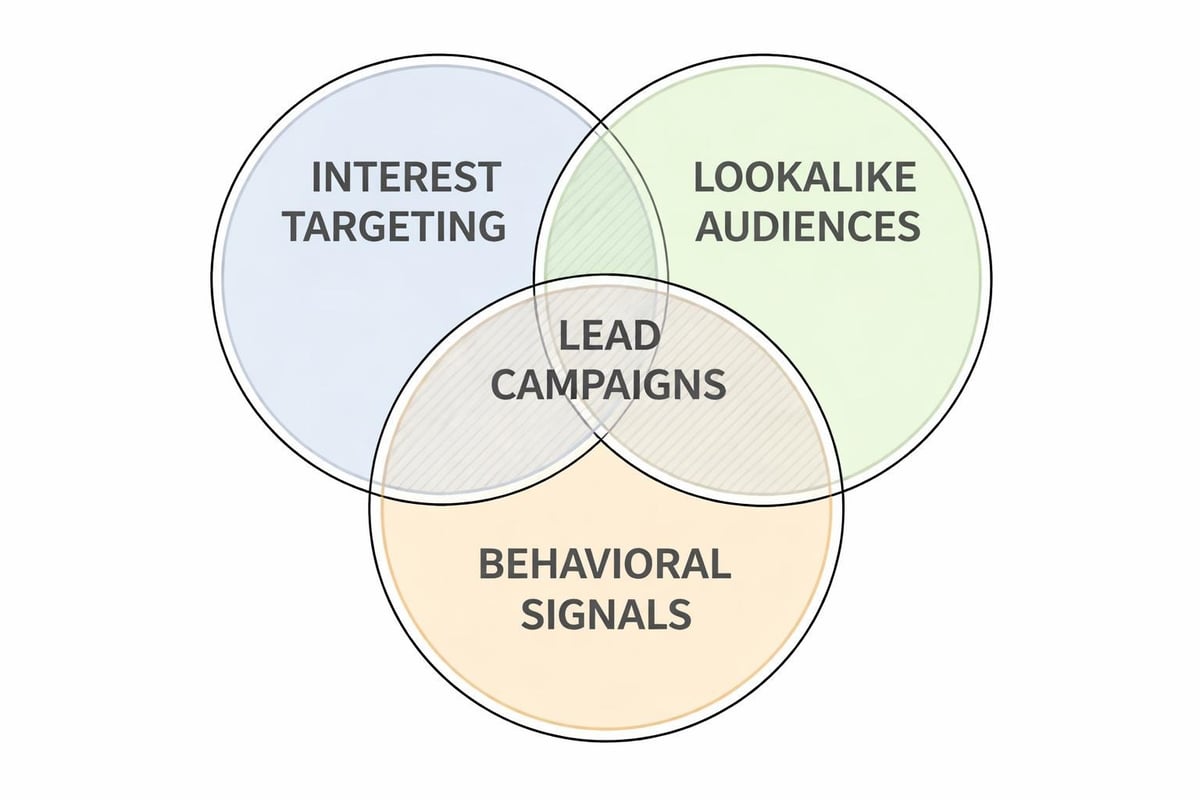
The comprehensive guide to Facebook lead ads campaigns recommends starting with your warmest audiences first. These convert at higher rates and give Facebook's algorithm better data for optimization.
Location targeting matters more than many advertisers realize. A national campaign will likely underperform compared to geo-segmented ad sets optimized for regional differences in messaging and offers. When integrating AI tools in marketing, geographic intelligence becomes even more powerful for personalization.
Creative Strategy for Lead Capture
Your ad creative needs to stop the scroll, communicate value, and motivate action in under three seconds. No pressure.
Video outperforms static images by 30-50% for lead generation campaigns. But not just any video works. The winning formula in 2026:
- Hook (0-3 seconds): Pattern interrupt or provocative question
- Problem agitation (3-10 seconds): Amplify the pain your audience feels
- Solution introduction (10-20 seconds): Present your offer as the resolution
- Social proof (20-25 seconds): Quick testimonial or result
- Clear CTA (25-30 seconds): Exact next step to take
Keep videos under 30 seconds for feed placement and under 15 seconds for Stories. Longer content works in specific contexts, but shorter wins for cold traffic lead capture.
Copy That Converts
Your ad copy should follow the PAS framework: Problem, Agitate, Solution.
Problem: "Struggling to fill your sales calendar with qualified appointments?"
Agitate: "Most businesses waste thousands on leads that never convert, burning through marketing budgets with nothing to show for it."
Solution: "Discover how our AI-powered lead system delivers ready-to-buy prospects directly to your calendar."
The headline does 80% of the heavy lifting. Test variations that speak directly to your audience's primary pain point or desired outcome. According to proven strategies for Facebook ads leads, specificity beats vagueness every time.
Numbers create credibility:
- "Generate 47% More Qualified Leads in 30 Days"
- "Join 2,847 Businesses Using This Lead System"
- "Reduce Your Cost Per Lead from $50 to $12"
Avoid generic phrases like "industry-leading" or "best-in-class" that say nothing and convince nobody.
Integration and Automation: Where Money Is Made
A facebook leads campaign that delivers names and emails into a spreadsheet is worthless. The real value comes from what happens after someone submits your form.
Speed to contact is everything. Research consistently shows that contacting leads within 5 minutes increases conversion rates by 900% compared to waiting an hour. This isn't a typo. Nine hundred percent.
That's why automation isn't optional; it's essential. Zapier’s automation guide for Facebook lead ads demonstrates how to instantly route leads to your CRM, trigger email sequences, and notify sales teams in real-time.
The Modern Lead Flow Architecture
Here's the automated sequence that high-performing businesses use:
- Instant confirmation: Automated email thanking the lead and setting expectations (arrives within 60 seconds)
- CRM entry: Lead information automatically syncs to your sales system with source tracking
- Sales notification: Your team receives an alert with complete lead context and qualification data
- First touchpoint: Automated SMS or email with next steps (within 5 minutes)
- Nurture sequence: Multi-channel follow-up based on lead behavior and qualification level
This isn't complicated anymore. Tools like AI-powered marketing automation make sophisticated lead nurturing accessible to businesses of any size.
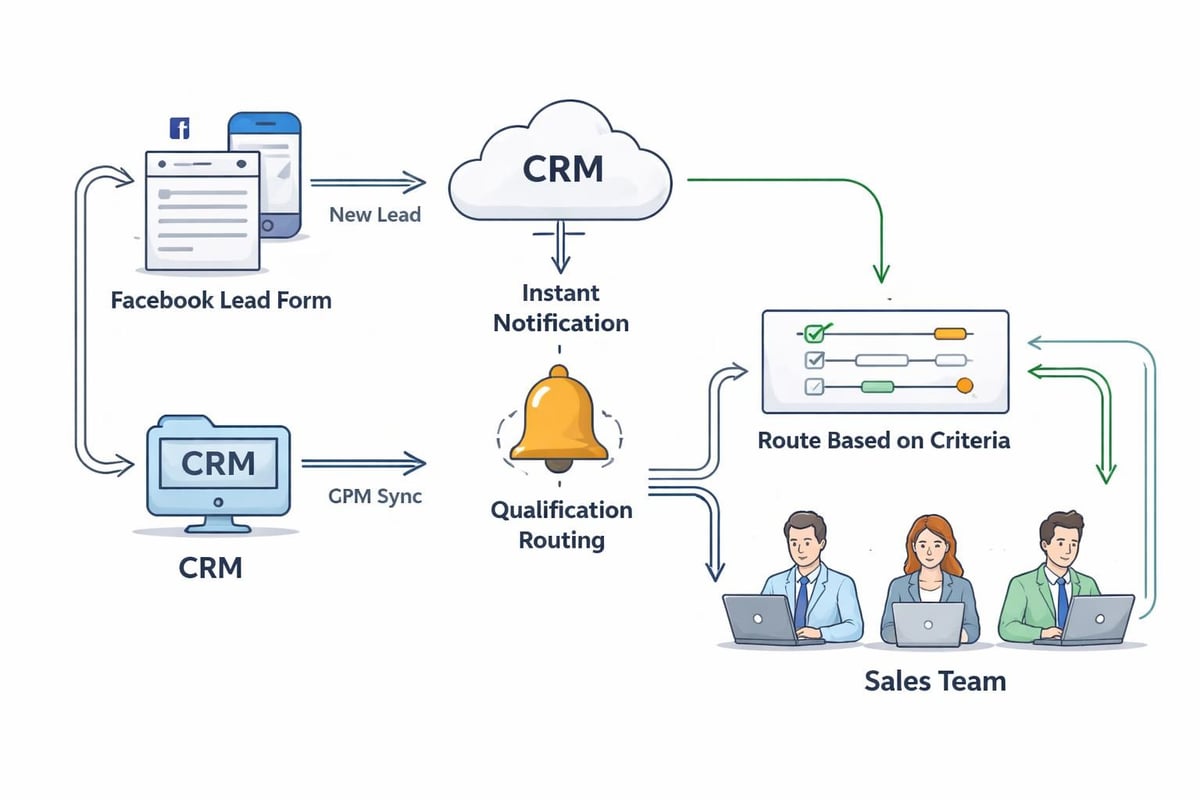
The businesses winning with facebook leads campaigns in 2026 aren't just capturing contact information. They're building intelligent systems that qualify, nurture, and convert leads automatically while sales teams focus on closing deals.
Optimization Tactics That Lower Costs
Your initial facebook leads campaign setup is just the beginning. Continuous optimization is where amateur campaigns plateau and professional campaigns scale.
Monitor these metrics obsessively:
| Metric | Target Range | Action If Outside Range |
|---|---|---|
| Cost Per Lead | Industry benchmark ±20% | Adjust targeting or creative |
| Form Completion Rate | 25-40% | Simplify form or improve pre-qualification |
| Lead Quality Score | 70%+ qualified | Add/modify qualifying questions |
| Click-Through Rate | 1.5-3% | Test new creative angles |
| Cost Per Qualified Lead | 2-3x CPL | Optimize nurture sequence |
Many businesses obsess over cost per lead while ignoring lead quality. This is backwards. A $50 lead that closes 30% of the time crushes a $10 lead with a 2% close rate.
The Testing Framework
Professional media buyers test systematically, not randomly. Implement this priority hierarchy:
Phase 1: Audience Testing
Test 3-5 distinct audience segments against each other. Winner becomes your control. This has the biggest impact on campaign economics.
Phase 2: Offer Testing
Test different lead magnets, incentives, or value propositions. A stronger offer can double conversion rates overnight.
Phase 3: Creative Testing
Test new video concepts, image styles, and hook variations. Keep what works, kill what doesn't.
Phase 4: Form Optimization
Test question order, field requirements, and thank-you page messaging. Small changes yield surprising improvements.
Never test more than one variable at a time, or you won't know what caused the performance change. The technical best practices for Facebook lead ads emphasize disciplined testing protocols over gut-feel decisions.
Advanced Strategies for Scale
Once your facebook leads campaign is profitable at small scale, these advanced tactics unlock exponential growth.
Retargeting non-converters: Set up campaigns targeting people who clicked your ad but didn't complete the form. These warm prospects convert at 3-5x higher rates with adjusted messaging.
Multi-product funnels: Use different offers for different audience temperatures. Cold traffic gets low-commitment lead magnets; warm traffic gets direct consultation offers.
Lookalike layering: Create lookalike audiences from your highest-value customers, then layer them with interest or behavioral targeting for precision at scale.
When you're consistently generating qualified leads, the next frontier is using AI to transform leads into ready-to-buy customers through intelligent nurturing and sales automation.
Budget Allocation for Growth
Start with $30-50 per day per ad set during the learning phase (approximately 50 conversions). Once Facebook's algorithm has sufficient data, you can scale aggressively.
The scaling rule: Increase budgets by maximum 20% every 3 days. Faster increases reset the learning algorithm and spike costs. Patient scaling wins the long game.
Businesses generating significant revenue from leads should allocate 15-25% of customer lifetime value back into lead acquisition. This creates a sustainable growth engine that compounds over time.
Common Pitfalls to Avoid
Even experienced marketers make these costly mistakes with facebook leads campaigns.
Sending leads to a black hole: Without instant follow-up and systematic nurturing, even perfect leads go cold. Your conversion infrastructure matters more than your ad creative.
Ignoring lead quality metrics: Celebrating 100 leads at $5 each means nothing if none convert to customers. Track cost per qualified lead and cost per customer, not just cost per lead.
Stopping too early: Facebook's algorithm needs 50+ conversions to optimize effectively. Campaigns that get shut down after spending $200 never had a chance to succeed.
Using desktop-only creative: Over 80% of leads come from mobile devices. If your creative isn't mobile-first, you're leaving money on the table.
Neglecting the thank-you experience: The confirmation screen is your first impression after someone becomes a lead. Use it to set expectations, provide immediate value, and begin the nurturing process.
Similar mistakes plague local lead generation businesses that don't adapt their approach to mobile-first, instant-gratification consumer behavior.
Real-World Performance Benchmarks
Understanding realistic expectations prevents premature optimization and helps identify genuine problems.
Typical facebook leads campaign performance in 2026:
- Learning phase: Days 1-7, expect higher costs and lower conversion rates
- Optimization phase: Days 8-21, costs stabilize and quality improves
- Scaling phase: Days 22+, expand budget while maintaining efficiency
Most campaigns see their best performance between days 14-60. After 60 days, creative fatigue typically sets in, requiring fresh ad variations.
Industry-specific results vary significantly. Facebook lead generation for real estate operates differently than B2B professional services, requiring customized approaches for each vertical.
The Quality vs. Quantity Balance
There's an inverse relationship between lead volume and lead quality. Lower your qualification standards, and you'll get more leads at lower costs. But will they convert?
The sweet spot: Design forms that filter out obviously unqualified prospects while remaining accessible to your ideal customers. This typically means 4-6 form fields including one or two qualifying questions.
Track your cost per qualified opportunity, not just cost per lead. This metric reveals the true efficiency of your facebook leads campaign and guides intelligent optimization decisions.
Mastering the facebook leads campaign in 2026 means building complete systems that capture, qualify, nurture, and convert prospects automatically. The platform itself is just the acquisition channel; what you do with those leads determines your success. If you're ready to transform your lead generation into a predictable revenue engine backed by advanced AI and proven systems, Adstra specializes in building guaranteed growth partnerships that align your success with ours, delivering qualified sales opportunities and automated booking systems that turn leads into customers.