
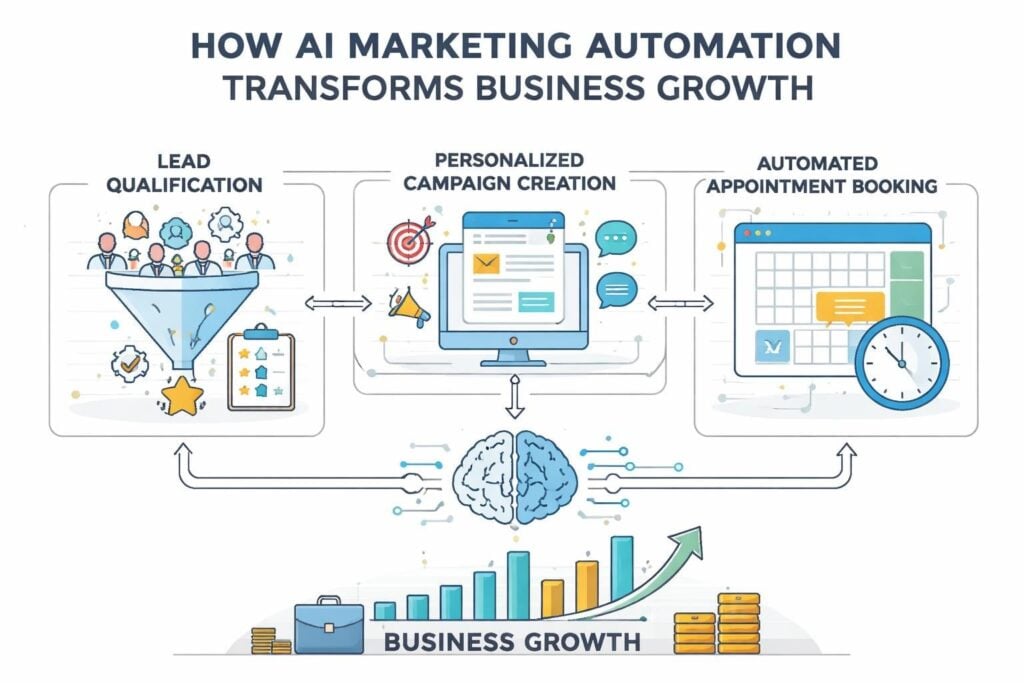
The marketing landscape has fundamentally shifted. In 2026, businesses that haven't integrated AI tools in marketing aren't just falling behind-they're leaving money on the table every single day. The technology has moved far beyond experimental chatbots and simple automation. Today's AI-powered marketing systems generate qualified leads, personalize customer journeys at scale, and deliver predictable revenue growth that traditional methods simply can't match. For companies focused on lead generation and customer acquisition, understanding and implementing these tools isn't optional anymore. It's the difference between sustainable growth and watching competitors capture your market share.
The Evolution of AI Tools in Marketing
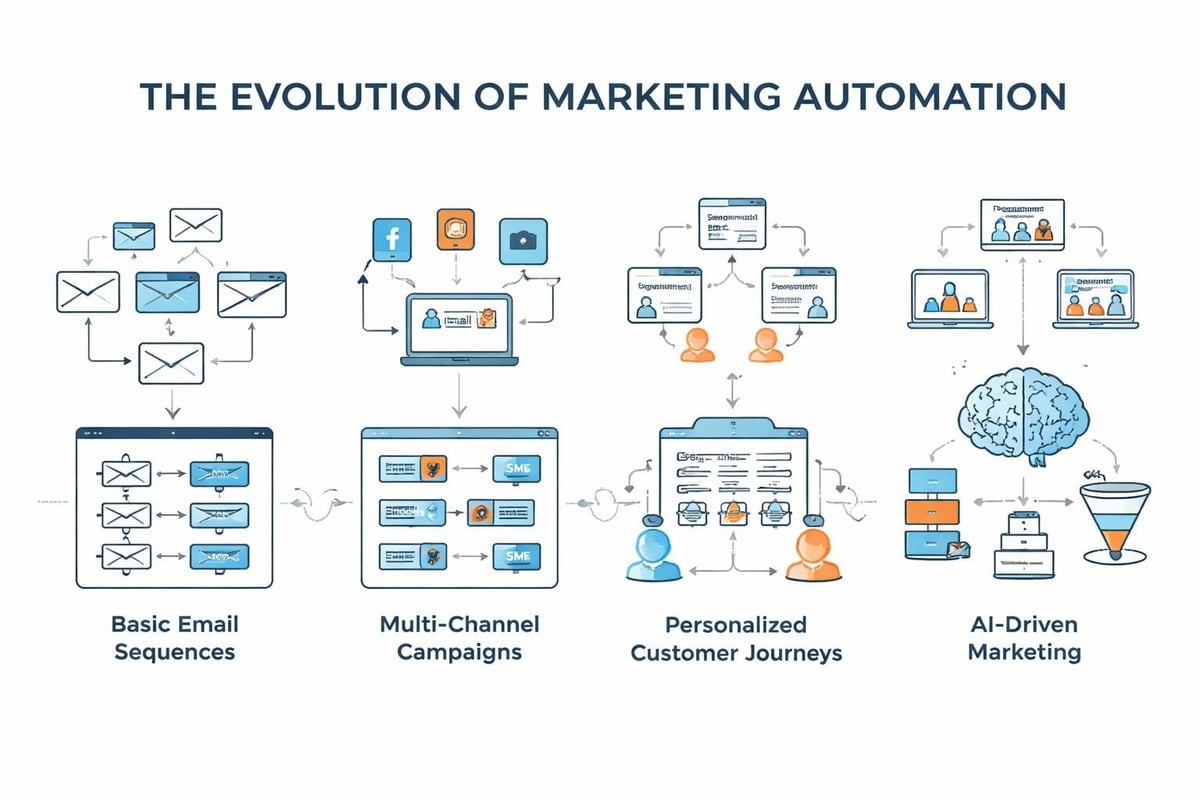
The marketing technology revolution didn't happen overnight. What started as basic email automation and rules-based chatbots has transformed into sophisticated systems that understand customer behavior, predict buying intent, and create personalized experiences across every touchpoint.
Modern AI marketing capabilities include:
- Predictive lead scoring that identifies ready-to-buy prospects
- Dynamic content generation tailored to individual preferences
- Automated campaign optimization across multiple channels
- Conversational AI that books qualified appointments
- Real-time competitor analysis and market positioning
According to research on marketing teams’ AI adoption, over 80% of marketers actively use generative AI tools, with 93% of CMOs confirming clear ROI. This isn't hype. It's measurable business impact.
Why Traditional Marketing Methods Are Failing
Traditional outbound approaches face unprecedented challenges in 2026. Cold calling reaches voicemail. Mass email campaigns hit spam filters. Generic advertising burns budget without converting. The problem isn't the channels themselves-it's the lack of intelligence behind them.
When you understand why cold outreach is failing, you realize the solution requires smarter systems. AI tools in marketing solve this by analyzing thousands of data points to identify which prospects are actually in-market, what messaging resonates with their specific pain points, and when they're most likely to engage.
Lead Generation Transformed by AI
The biggest impact of AI tools in marketing shows up in lead generation performance. Instead of casting wide nets and hoping for a catch, modern AI systems identify, qualify, and nurture prospects with surgical precision.
How AI Qualifies Leads Better Than Humans
Traditional lead qualification relies on manual scoring based on demographic data and basic behavioral signals. An AI-powered system processes exponentially more information:
| Traditional Lead Scoring | AI-Powered Lead Qualification |
|---|---|
| Company size and industry | Real-time intent signals across web |
| Job title match | Behavioral pattern analysis |
| Form submissions | Predictive buying probability |
| Email opens/clicks | Multi-channel engagement scoring |
| Manual sales review | Automated continuous refinement |
The difference in results? AI-qualified leads convert 3-5 times higher than traditionally scored prospects. You're not just getting more leads-you're getting leads that actually close.
This transformation enables companies to generate qualified demos at scale, turning marketing from a cost center into a predictable revenue engine.
Automated Appointment Booking Systems
One of the most powerful applications of AI tools in marketing is intelligent appointment scheduling. These systems don't just offer calendar slots-they engage prospects in natural conversations, qualify their needs, handle objections, and coordinate schedules across time zones.
Key features of advanced AI booking systems:
- Natural language processing that understands context and intent
- Dynamic qualification that asks relevant follow-up questions
- Calendar intelligence that optimizes meeting times for conversion
- CRM integration that enriches contact records automatically
- Multi-language support that scales globally without human intervention
The impact on sales teams is transformative. Instead of spending hours on scheduling logistics, your sales professionals focus exclusively on high-value conversations with pre-qualified, ready-to-buy prospects.
Content Creation and Campaign Automation
The creative side of marketing has experienced its own AI revolution. Tools like Canva’s Magic Studio democratized design, while platforms such as Wix’s AI-powered email editor enable marketers to create sophisticated campaigns without technical expertise.
But the real breakthrough isn't just easier content creation-it's intelligent content that adapts to audience response in real-time.
Personalization at Scale
Generic messaging dies in crowded inboxes. Personalized communication drives engagement. The challenge has always been scale-until now.
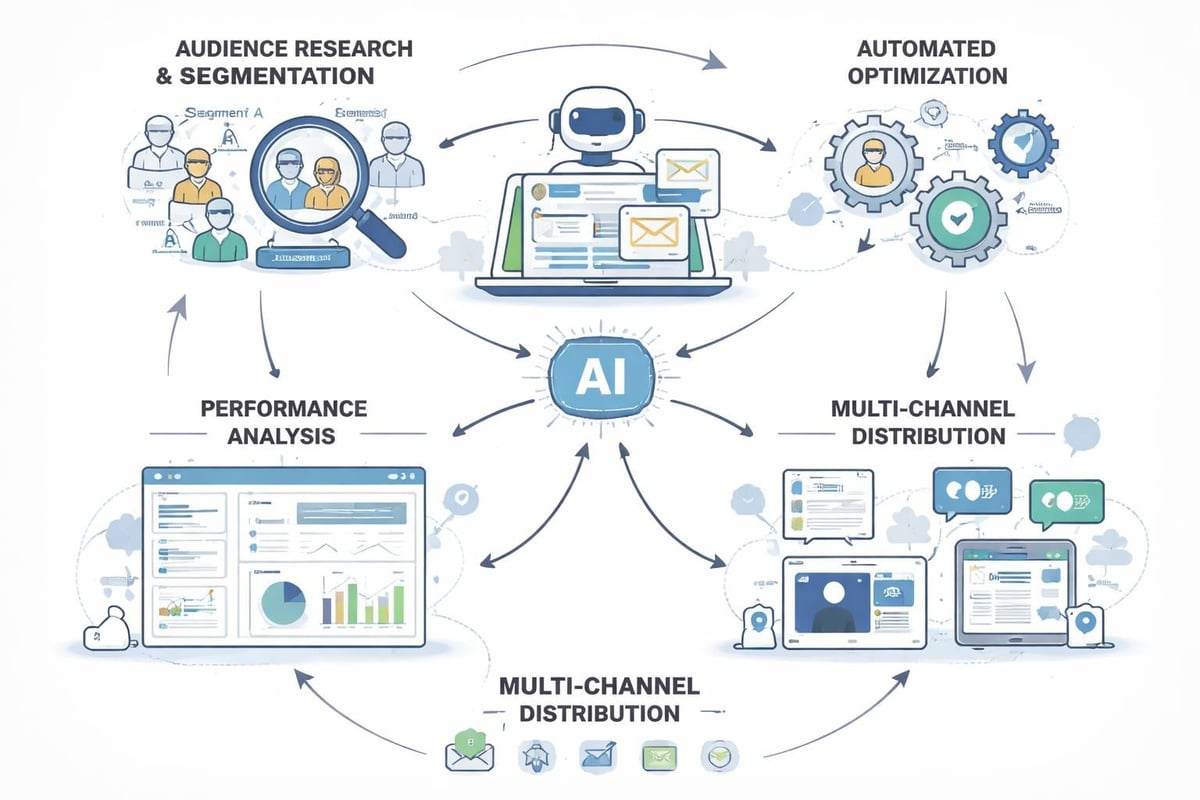
AI tools in marketing analyze individual prospect behaviors, preferences, and engagement patterns to generate unique messages for thousands of contacts simultaneously. This isn't mail merge with a first name. It's dynamic content that addresses specific pain points, references relevant use cases, and adjusts tone based on previous interactions.
For businesses focused on AI in digital advertising, this capability transforms campaign performance. Ad creative, landing pages, email sequences, and follow-up messages all adapt to each prospect's unique journey.
Campaign Intelligence and Optimization
Traditional A/B testing takes weeks and only compares two variables. AI-powered campaign systems test dozens of elements simultaneously and optimize in real-time.
What modern AI systems optimize:
- Subject lines and preview text
- Send timing based on individual engagement patterns
- Offer positioning and value proposition framing
- Visual elements and design layouts
- Call-to-action placement and wording
- Follow-up sequence timing and frequency
The result? Campaigns that improve themselves automatically, driving higher engagement and conversion rates without constant manual intervention.
Advanced AI Marketing Platforms Worth Watching
The marketplace for AI tools in marketing has exploded. Choosing the right platforms requires understanding what each excels at and how they integrate into your existing systems.
Google’s Pomelli targets small and medium businesses that lack extensive marketing resources, offering brand-consistent campaign creation. Meanwhile, Typeface Arc automates entire campaigns by integrating custom business data directly into workflows.
Evaluating AI Marketing Tools
Not all AI tools deliver equal value. Before investing, evaluate platforms against these criteria:
- Integration capability with your existing CRM and marketing stack
- Data privacy and compliance with industry regulations
- Customization depth for your specific business model
- Learning curve and training requirements for your team
- Measurable ROI metrics and performance tracking
- Vendor stability and roadmap for long-term partnership
For comprehensive options, this curated list of AI marketing tools provides detailed comparisons across categories.
Building Your AI-Powered Marketing System
Implementing AI tools in marketing successfully requires more than just purchasing software. It demands strategic planning, proper data infrastructure, and cultural adaptation.
The Foundation: Data Quality
AI systems are only as good as the data they process. Before deploying advanced tools, audit your current data quality:
| Data Element | Quality Standard | Impact on AI Performance |
|---|---|---|
| Contact information | 95%+ accuracy | Delivery and engagement rates |
| Firmographic data | Complete profiles | Targeting and segmentation |
| Behavioral history | Comprehensive tracking | Predictive modeling accuracy |
| Engagement signals | Multi-channel capture | Intent identification |
| Conversion data | Properly attributed | ROI optimization |
Cleaning and enriching your database isn't glamorous work, but it's the difference between AI systems that transform your business and expensive tools that underperform.
Integration Strategy
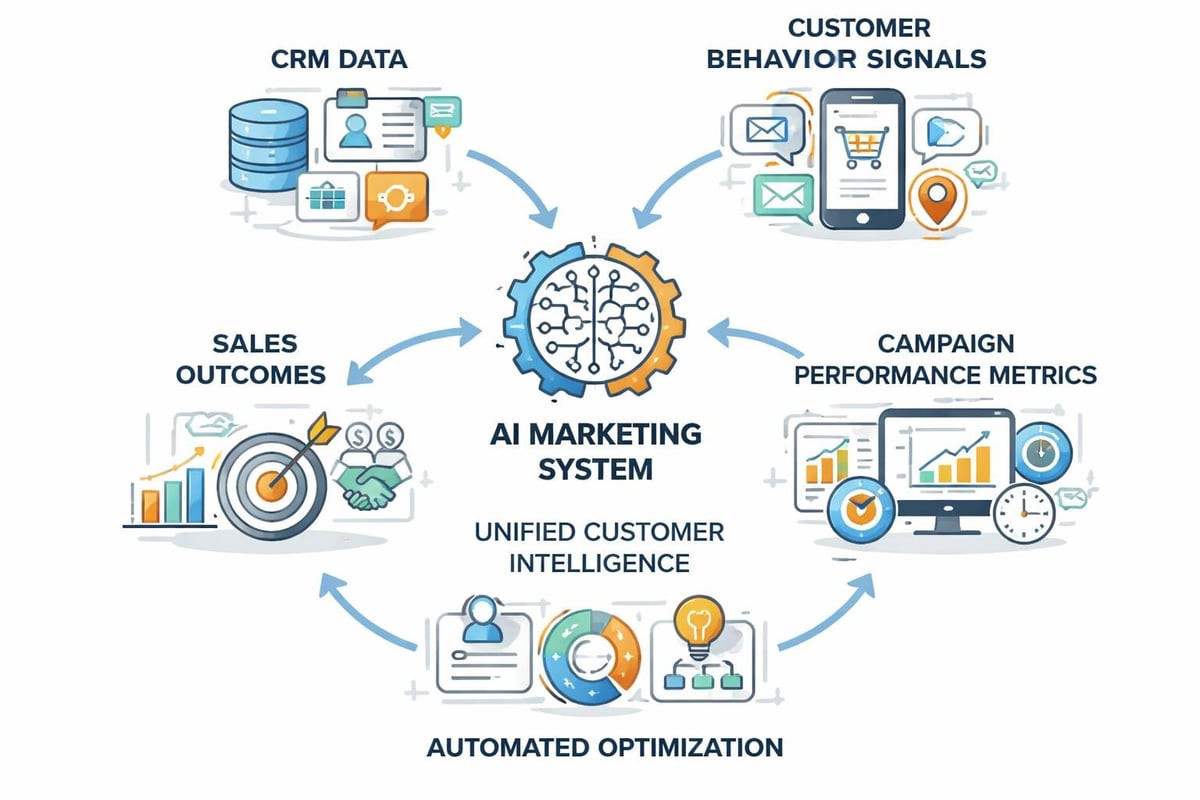
Your AI marketing tools should work together, not create new silos. A proper end-to-end marketing approach connects every touchpoint:
Essential integration points:
- CRM for centralized contact management
- Email platforms for communication delivery
- Analytics tools for performance measurement
- Advertising platforms for paid media optimization
- Appointment scheduling for sales handoff
- Customer service systems for post-sale engagement
When these systems communicate seamlessly, your AI tools access the complete customer picture, enabling truly intelligent automation.
Real-World Impact: AI in Lead Generation
The theoretical benefits of AI tools in marketing sound impressive. The real-world results prove their value. Companies implementing intelligent lead generation systems report dramatic improvements:
Typical performance improvements:
- 40-60% reduction in cost per qualified lead
- 3-5x increase in lead-to-opportunity conversion rates
- 70-80% decrease in manual qualification time
- 2-3x improvement in sales team productivity
- 25-40% shorter sales cycles
These aren't marginal gains. They're business-transforming improvements that compound over time.
From Cold Leads to Ready Buyers
The traditional sales funnel wastes enormous resources nurturing prospects who will never buy. AI changes this dynamic by identifying and prioritizing prospects showing genuine buying intent.
Advanced systems analyze hundreds of signals-website visits, content engagement, competitor research, pricing page views, documentation downloads, and more-to predict which prospects are actively evaluating solutions. Your sales team receives warm introductions to ready-to-buy contacts instead of cold calling random names from a list.
When you understand how to attract new customers using intelligent systems, you realize the old volume-based approach is obsolete. Quality over quantity wins every time.
Implementing AI Without Disrupting Operations
One of the biggest barriers to adopting AI tools in marketing is fear of operational disruption. Teams worry about learning curves, integration challenges, and potential failures during implementation.
The solution? Phased deployment that proves value quickly while minimizing risk.
Your 90-Day AI Implementation Roadmap
Month 1: Foundation and Quick Wins
- Audit current marketing technology and data quality
- Implement basic AI-powered email optimization
- Deploy intelligent lead scoring on existing database
- Train team on fundamental AI marketing concepts
Month 2: Automation and Integration
- Connect AI tools to CRM and marketing automation platforms
- Launch automated appointment booking for qualified leads
- Begin A/B testing AI-generated content variations
- Establish performance baselines and KPIs
Month 3: Optimization and Scaling
- Refine AI models based on performance data
- Expand AI-powered personalization across channels
- Implement predictive analytics for pipeline forecasting
- Scale successful campaigns and retire underperformers
This approach delivers measurable results within 30 days while building toward comprehensive transformation over the quarter.
The Competitive Advantage You Can't Ignore
Markets don't wait for businesses to adapt. Your competitors are already implementing AI tools in marketing. The question isn't whether to adopt these systems-it's whether you'll lead the transformation or struggle to catch up.
Every day without intelligent marketing systems costs you:
- Qualified leads your competitors capture
- Revenue from deals that close faster with better nurturing
- Market share in your target segments
- Team productivity lost to manual tasks AI could automate
- Opportunities to scale without proportional cost increases
The businesses winning in 2026 aren't those with the biggest marketing budgets. They're the ones deploying AI tools in marketing most effectively to maximize every dollar invested.
Building Sustainable Growth Systems
Short-term tactics create temporary spikes. Sustainable systems generate predictable, compound growth. AI-powered marketing delivers the latter by continuously learning, optimizing, and improving performance.
When selecting the best marketing platforms, prioritize those that offer:
- Machine learning that improves with usage
- Transparent performance reporting
- Flexible customization for your business model
- Proven ROI in your industry
- Scalability that grows with your business
These characteristics separate tools that deliver lasting value from trendy platforms that underdeliver on promises.
Making AI Work for Your Business Model
Generic AI implementation rarely succeeds. The most effective deployments customize tools and strategies for specific business models, industries, and customer profiles.
For service businesses, AI appointment booking and qualification systems deliver the highest ROI. For product companies, intelligent retargeting and abandoned cart recovery drive results. For B2B enterprises, predictive lead scoring and account-based marketing automation create competitive advantages.
Understanding your specific use case determines which AI tools in marketing deserve investment and which features matter most.
Measuring What Matters
AI marketing platforms generate overwhelming amounts of data. Focus on metrics that directly connect to revenue:
| Metric Category | Key Indicators | Business Impact |
|---|---|---|
| Lead Quality | Qualification rate, MQL-to-SQL conversion | Sales efficiency |
| Engagement | Open rates, click-through rates, time on site | Message resonance |
| Conversion | Demo booking rate, trial activation, purchase | Revenue generation |
| Efficiency | Cost per qualified lead, CAC payback period | Profitability |
| Velocity | Time to first meeting, sales cycle length | Cash flow |
Vanity metrics like impressions and followers don't pay bills. Track indicators that directly influence your bottom line.
The Human Element in AI Marketing
Despite incredible technological capabilities, AI tools in marketing work best when they augment human expertise rather than replace it. The most successful implementations combine machine efficiency with human creativity, empathy, and strategic thinking.
AI handles repetitive tasks, data analysis, and optimization at scale. Humans provide strategic direction, creative messaging, relationship building, and complex problem-solving. This partnership creates marketing systems more powerful than either humans or machines could achieve alone.
Where humans still outperform AI:
- Strategic positioning and differentiation
- Complex negotiation and relationship development
- Creative concept development and brand storytelling
- Crisis management and reputation protection
- Ethical decision-making and brand values alignment
Where AI outperforms humans:
- Data processing and pattern recognition at scale
- Real-time optimization across thousands of variables
- Personalization for large audiences simultaneously
- Predictive modeling and forecasting
- Repetitive task execution with perfect consistency
Smart businesses leverage both strengths strategically.
The integration of AI tools in marketing has moved from experimental to essential, delivering measurable improvements in lead quality, conversion rates, and revenue predictability. Companies that implement these systems strategically gain compounding advantages that traditional approaches simply cannot match. Adstra specializes in building AI-powered lead generation systems that transform cold prospects into ready-to-buy customers through intelligent automation, qualified appointment booking, and guaranteed growth partnerships. If you're ready to stop wasting budget on outdated marketing tactics and start building predictable revenue growth with advanced AI systems, it's time to explore what's possible.