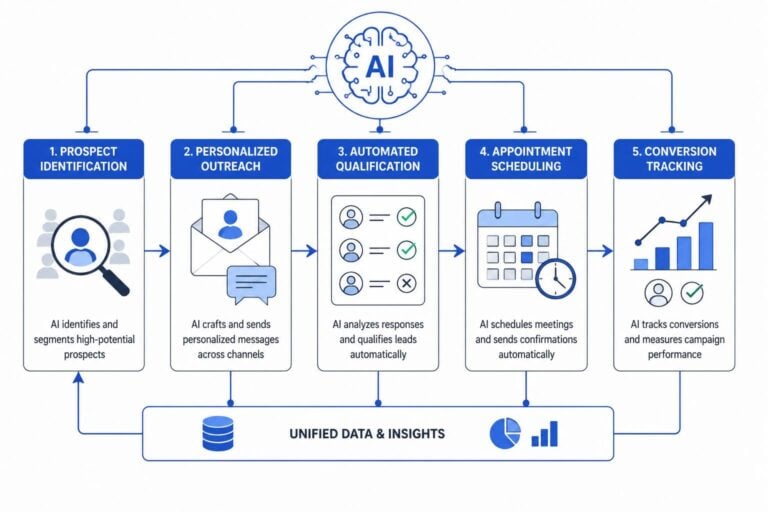
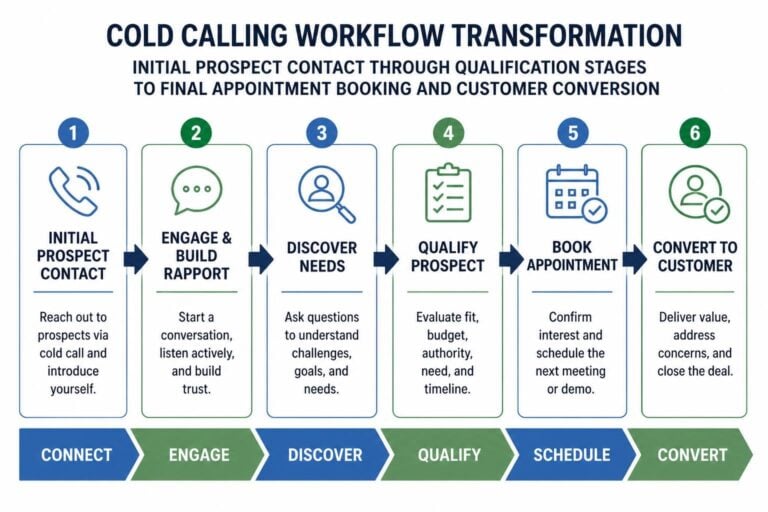
Every business dreams of a pipeline overflowing with potential customers, but raw volume means nothing if those prospects aren't ready to buy. The difference between spinning your wheels with uninterested contacts and closing deals consistently comes down to one critical factor: understanding what qualified leads actually are and how to generate them systematically. In 2026, with AI-powered tools reshaping the lead generation landscape, the businesses that master lead qualification are leaving their competitors scrambling for scraps while they enjoy predictable, scalable growth.
What Makes a Lead "Qualified"
A qualified lead represents far more than someone who downloaded your white paper or filled out a contact form. These are prospects who match your ideal customer profile and have demonstrated genuine buying intent through specific behaviors and characteristics.
The fundamental principle behind lead qualification frameworks revolves around separating tire-kickers from serious buyers before your sales team wastes precious time on dead-end conversations.
The Two Primary Types of Qualified Leads
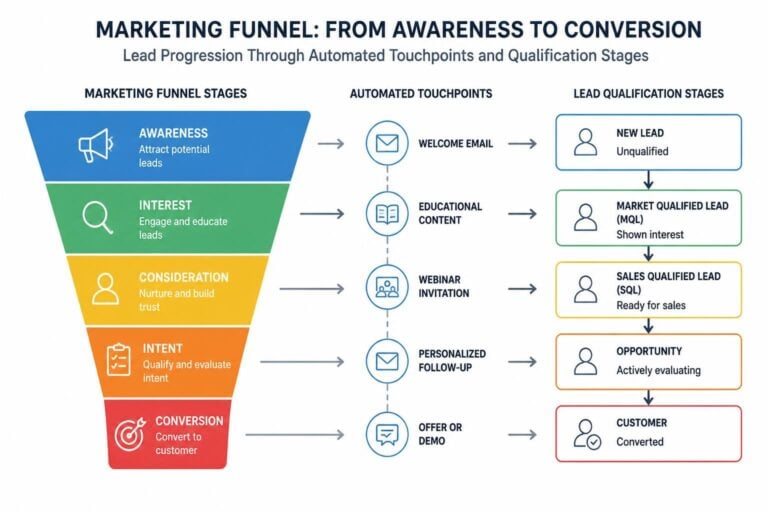
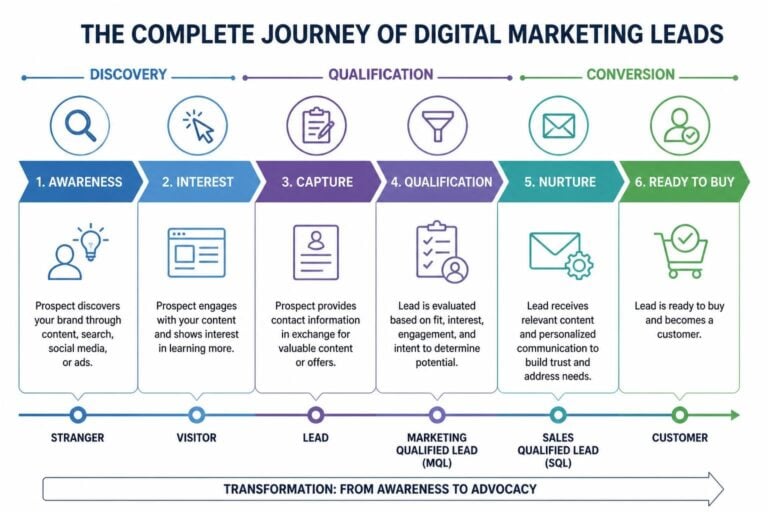
Marketing and sales teams typically categorize qualified leads into two distinct buckets, each serving a specific purpose in your conversion funnel.
Marketing Qualified Leads (MQLs) have engaged with your marketing content enough to signal interest but aren't quite ready for direct sales outreach. They might have:
- Downloaded multiple resources from your website
- Attended a webinar or virtual event
- Engaged with email campaigns consistently
- Visited high-intent pages like pricing or case studies
Sales Qualified Leads (SQLs) have crossed the threshold from marketing nurture to sales-ready. These prospects have explicitly indicated they want to speak with your team, requested a demo, or exhibited behaviors that signal immediate buying intent.
Understanding this progression helps you allocate resources efficiently and avoid the costly mistake of pushing prospects into sales conversations before they're ready.
Why Qualified Leads Transform Your Revenue Model
Chasing unqualified prospects creates a vicious cycle of wasted effort, disappointing conversion rates, and frustrated sales teams. When you focus exclusively on qualified leads, everything changes.
The Economics of Quality Over Quantity
Consider the mathematics: would you rather have 1,000 random contacts or 100 prospects who perfectly match your ideal customer profile and are actively seeking a solution like yours? The answer seems obvious, yet countless businesses still measure success by vanity metrics rather than conversion potential.
| Metric | Unqualified Leads | Qualified Leads |
|---|---|---|
| Close Rate | 1-2% | 15-30% |
| Sales Cycle | 6-12 months | 30-90 days |
| Average Deal Size | Lower | Higher |
| Customer Lifetime Value | Inconsistent | Predictable |
Companies that implement systematic qualification processes report conversion rates 5-10 times higher than those relying on volume-based approaches. More importantly, they build predictable revenue engines rather than hoping each month brings enough deals to hit targets.
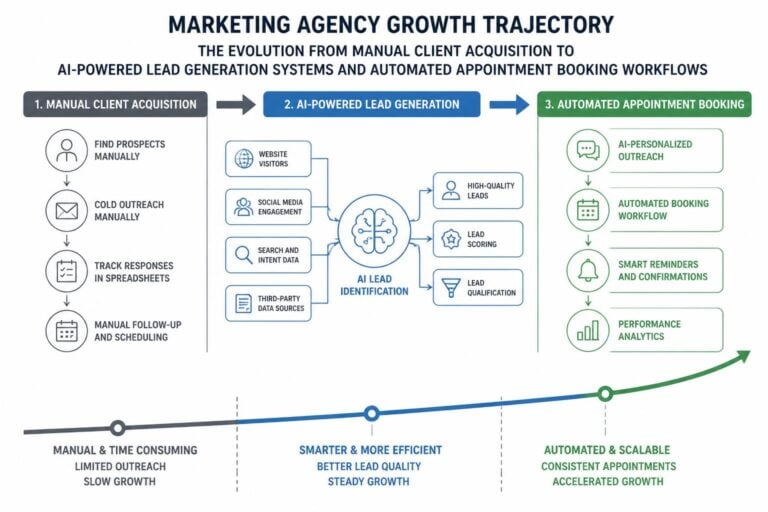
The shift from traditional cold outreach methods to qualification-focused strategies represents a fundamental evolution in how businesses approach growth.
Proven Frameworks for Lead Qualification
Successful companies don't rely on gut feelings to determine which prospects deserve attention. They deploy structured frameworks that bring consistency and predictability to the qualification process.
BANT: The Classic Approach
The BANT framework has survived decades because it addresses the core elements that determine whether a prospect can and will buy:
- Budget: Does the prospect have financial resources allocated for your solution?
- Authority: Are you speaking with decision-makers who can approve purchases?
- Need: Does a genuine business problem exist that your product solves?
- Timeline: When does the prospect intend to implement a solution?
While BANT remains valuable, modern B2B sales often require more nuanced approaches that account for complex buying committees and longer evaluation cycles.
CHAMP: The Customer-Centric Alternative
CHAMP reorders priorities to emphasize challenges before budget considerations:
- Challenges: What specific problems is the prospect facing?
- Authority: Who influences and approves purchasing decisions?
- Money: What's the financial capacity and budget allocation?
- Prioritization: How urgent is solving this problem?
This framework aligns perfectly with value-based selling methodologies where understanding pain points drives the conversation. According to comprehensive lead qualification strategies, leading with challenges creates more authentic connections than immediately discussing pricing.
MEDDIC: For Complex Enterprise Sales
When selling into large organizations with multiple stakeholders, MEDDIC provides the depth required:
- Metrics
- Economic buyer
- Decision criteria
- Decision process
- Identify pain
- Champion
Each element ensures you've mapped the entire buying landscape before investing significant resources in pursuit of a deal.
How AI Revolutionizes Lead Qualification in 2026
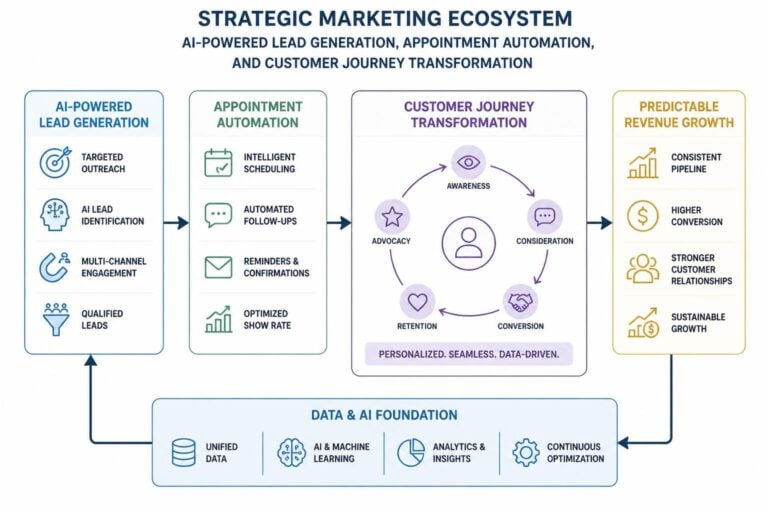
The integration of artificial intelligence into lead qualification processes has fundamentally transformed what's possible. Where human teams once spent hours researching prospects and scoring leads manually, AI systems now process thousands of signals in seconds.
Predictive Lead Scoring
Modern AI algorithms analyze historical conversion data to identify patterns that indicate buying readiness. These systems examine:
- Website behavior and engagement patterns
- Content consumption sequences
- Demographic and firmographic attributes
- Technographic indicators
- Intent signals from third-party data
The result? Leads automatically prioritized based on their likelihood to convert, allowing sales teams to focus energy where it matters most.
Implementing lead generation with AI enables businesses to scale qualification processes that would be impossible to execute manually while maintaining accuracy and consistency.
Automated Enrichment and Validation
AI-powered tools automatically append missing information to lead records, validate contact details, and flag data quality issues. This enrichment happens in real-time, ensuring your team always works with complete, accurate prospect information.
Advanced systems can even monitor qualified leads for trigger events like:
- Funding announcements
- Leadership changes
- Technology adoptions
- Expansion into new markets
These signals indicate optimal timing for outreach, dramatically improving connection and conversion rates.
Implementing a Qualification System That Actually Works
Theory means nothing without execution. Building a lead qualification system requires deliberate planning and cross-functional alignment between marketing and sales.
Step 1: Define Your Ideal Customer Profile
Document the specific characteristics of customers who get the most value from your solution and generate the highest lifetime value. Include:
- Industry and company size parameters
- Technology stack requirements
- Organizational structure indicators
- Geographic considerations
- Budget ranges
This profile becomes the foundation for all qualification decisions. When building a lead generation website, your ideal customer profile should inform every design and messaging decision.
Step 2: Establish Clear Qualification Criteria
Create objective standards that determine when a lead progresses from one stage to the next. Avoid vague requirements like "high engagement" in favor of specific benchmarks:
- Visited pricing page three times in 14 days
- Downloaded two or more resources
- Company revenue exceeds $5 million
- Job title includes "Director" or above
Step 3: Implement Lead Scoring
Assign point values to behaviors and attributes that correlate with conversion probability. A basic scoring model might look like:
| Action/Attribute | Point Value |
|---|---|
| Email open | +5 |
| Website visit | +10 |
| Demo request | +50 |
| Ideal industry | +25 |
| Decision-maker title | +30 |
| Budget confirmed | +40 |
When leads reach a predetermined threshold, they automatically transition to sales-qualified status and trigger appropriate follow-up actions.
Step 4: Enable Sales and Marketing Alignment
The most sophisticated qualification framework fails without organizational buy-in. Schedule regular meetings where marketing and sales teams review:
- Lead quality metrics and feedback
- Conversion rates by source and campaign
- Disqualification reasons and patterns
- Adjustments to scoring and criteria
This collaboration ensures continuous improvement and prevents the finger-pointing that derails so many growth initiatives.
Measuring and Optimizing Lead Quality
What gets measured gets managed. Tracking the right metrics reveals whether your qualification efforts are actually improving business outcomes or just adding complexity.
Essential Lead Quality Metrics
Monitor these indicators to assess qualification effectiveness:
Lead-to-Opportunity Conversion Rate: The percentage of qualified leads that advance to formal sales opportunities. Declining rates suggest qualification criteria need tightening.
Sales Cycle Length: Qualified leads should move through your pipeline faster than unqualified prospects. If cycle times remain constant, your qualification process may not be effectively filtering.
Win Rate by Lead Source: Understanding which channels produce the highest-quality leads enables smarter budget allocation and strategy refinement.
Customer Acquisition Cost (CAC) by Segment: Qualified leads should generate lower acquisition costs than unqualified volume approaches.
Companies serious about optimization establish benchmarks, set improvement targets, and systematically test qualification variables. Partnering with specialists like Digitalised can accelerate this optimization process through data-driven strategies tailored to your specific market.
Common Qualification Mistakes to Avoid
Even experienced teams fall into traps that undermine their qualification efforts. Recognizing these pitfalls helps you sidestep them.
Over-Qualifying and Missing Opportunities
Setting qualification bars too high creates the opposite problem: potentially valuable prospects get filtered out before they can engage meaningfully. Not every buyer follows a linear journey or checks every box before they're ready to purchase.
Balance rigor with flexibility, especially for prospects showing strong intent signals even if they don't perfectly match your ideal profile.
Neglecting Lead Nurturing for "Not Yet Ready" Prospects
A prospect who doesn't qualify today might be perfect six months from now. According to research on defining and measuring lead quality, companies that implement systematic nurture programs for not-yet-qualified leads see 20-30% of those prospects eventually convert.
Create separate nurture tracks that keep your brand top-of-mind without consuming sales resources.
Ignoring Disqualification Feedback
When sales consistently rejects leads marketing classified as qualified, that's valuable data. Rather than defending the qualification criteria, investigate the disconnect and adjust accordingly.
The goal isn't to be "right" about qualification-it's to ensure your sales team spends time on prospects who actually close.
Static Qualification Models
Market conditions, buyer behaviors, and competitive dynamics evolve constantly. Qualification frameworks that worked brilliantly in 2024 may miss critical signals in 2026 and beyond.
Schedule quarterly reviews of your qualification criteria and scoring models, adjusting based on performance data and market feedback.
Advanced Tactics for Qualified Lead Generation
Basic qualification separates amateurs from professionals. Advanced tactics separate industry leaders from everyone else.
Intent Data Integration
Third-party intent data reveals when companies are actively researching solutions in your category, even before they visit your website. Integrating these signals into qualification workflows enables proactive outreach at precisely the right moment.
Account-Based Marketing for High-Value Targets
For B2B corporate lead generation, ABM approaches treat individual high-value accounts as markets of one. This inverts traditional qualification by pre-selecting target accounts based on fit and potential, then orchestrating coordinated campaigns to engage multiple stakeholders within those organizations.
Conversational Marketing and Chatbots
AI-powered chat systems qualify leads in real-time through dynamic conversations that adapt based on responses. Rather than forcing prospects through rigid forms, conversational interfaces create natural dialogues that simultaneously qualify and nurture.
These systems can instantly route qualified leads to available sales representatives while directing others into appropriate nurture sequences-no human intervention required.
Proven tactics for generating qualified leads
Implementing seven proven tactics for qualified lead generation combines content strategy, technical optimization, and systematic follow-up processes that consistently fill your pipeline with sales-ready prospects.
The most successful approaches integrate multiple channels and touchpoints, creating redundancy that ensures prospects encounter qualification opportunities regardless of how they prefer to engage.
The Role of Content in Qualification
Strategic content serves dual purposes: attracting potential leads while simultaneously qualifying them through their consumption patterns.
Qualification Through Content Consumption
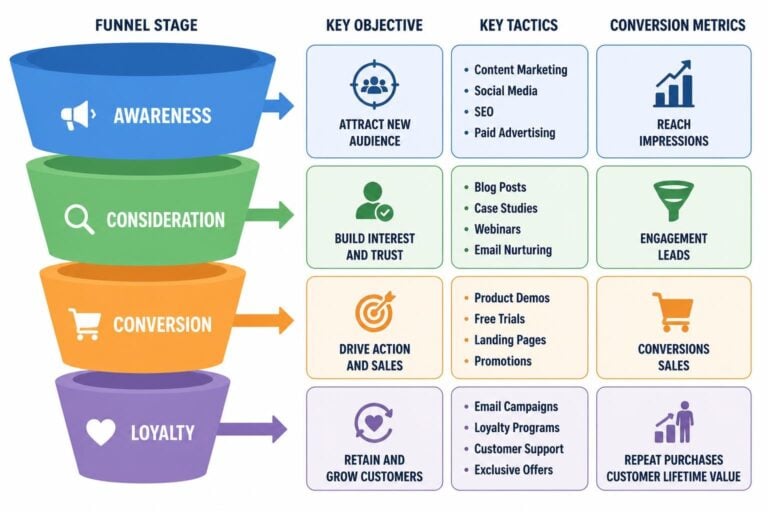
Different content types attract prospects at various stages of buying readiness:
- Awareness Stage: Blog posts, social content, educational resources
- Consideration Stage: Comparison guides, case studies, webinars
- Decision Stage: Product demos, pricing information, ROI calculators
Tracking which content individual prospects consume reveals where they sit in the buying journey and how qualified they are for sales engagement.
Creating a lead generation machine through strategic content requires understanding these consumption patterns and engineering content pathways that naturally move prospects toward qualification milestones.
Gated Content Strategy
Strategically gating high-value content serves qualification purposes by requiring prospects to provide information in exchange for access. The key lies in balancing value exchange with friction-ask for too much too soon and conversion rates plummet.
Best practices suggest progressive profiling that gradually builds prospect profiles across multiple interactions rather than demanding extensive information upfront.
Building Systems That Scale
Individual tactics generate results, but integrated systems create sustainable competitive advantages. The businesses winning in 2026 have automated qualification processes that scale effortlessly as lead volume increases.
Technology Stack Essentials
Modern qualification systems typically include:
- CRM Platform: Central repository for all lead and customer data
- Marketing Automation: Email sequences, lead scoring, behavioral tracking
- Conversational AI: Chatbots and virtual assistants for real-time qualification
- Analytics Tools: Dashboards tracking qualification metrics and conversion paths
- Enrichment Services: Automated data append and validation
Integration between these systems ensures seamless data flow and consistent lead experiences across all touchpoints.
Process Documentation and Training
Technology alone doesn't guarantee success. Teams need clear documentation explaining:
- When and how to manually override automated qualification decisions
- Standard operating procedures for different lead types
- Escalation paths for edge cases and exceptions
- Regular certification on updated processes and criteria
Organizations that invest in thorough training see 40% higher qualification accuracy and significantly faster new hire productivity.
The Future of Lead Qualification
Understanding where qualification methodologies are heading helps future-proof your systems and strategies.
Hyper-Personalization at Scale
AI advances enable personalization that was previously impossible at scale. Future qualification systems will dynamically adjust messaging, offers, and engagement strategies based on individual prospect characteristics and behaviors-automatically and in real-time.
Predictive Analytics Evolution
Machine learning models continue improving accuracy in predicting which prospects will convert. These systems increasingly factor in subtle signals and complex interaction patterns that humans could never identify manually.
Privacy-First Qualification
Evolving privacy regulations and the deprecation of third-party cookies require new approaches to lead qualification that respect user privacy while still enabling effective targeting and personalization. First-party data strategies and consent-based engagement become increasingly critical.
Businesses that master qualified lead generation tactics while maintaining ethical data practices will build sustainable competitive moats that competitors can't easily replicate.
Mastering qualified lead generation separates businesses that struggle with unpredictable revenue from those enjoying consistent, scalable growth. The frameworks, technologies, and strategies outlined here provide the foundation for building a predictable pipeline filled with prospects ready to buy. If you're ready to transform your approach and generate qualified leads that actually convert into customers, Adstra leverages advanced AI systems to automate qualification, nurture prospects intelligently, and deliver sales-ready appointments directly to your calendar-guaranteed.