
In 2026, businesses that master digital lead generation will outpace their competitors and unlock new revenue streams.
The rise of AI, automation, and shifting consumer behaviors make it vital for every B2B and B2C company to adapt quickly. Online lead generation is more competitive than ever, and only the best strategies will deliver results.
If you want to build a lead generation website that thrives in this evolving landscape, you need more than just a sleek design. You need future-proof frameworks, actionable tactics, and a clear plan for compliance and optimization.
This guide will walk you step by step through understanding lead generation, strategic website planning, high-converting design, essential features, leveraging AI, staying compliant, and ongoing optimization for 2026 and beyond.
Understanding Lead Generation in 2026
The Evolving Landscape of Lead Generation
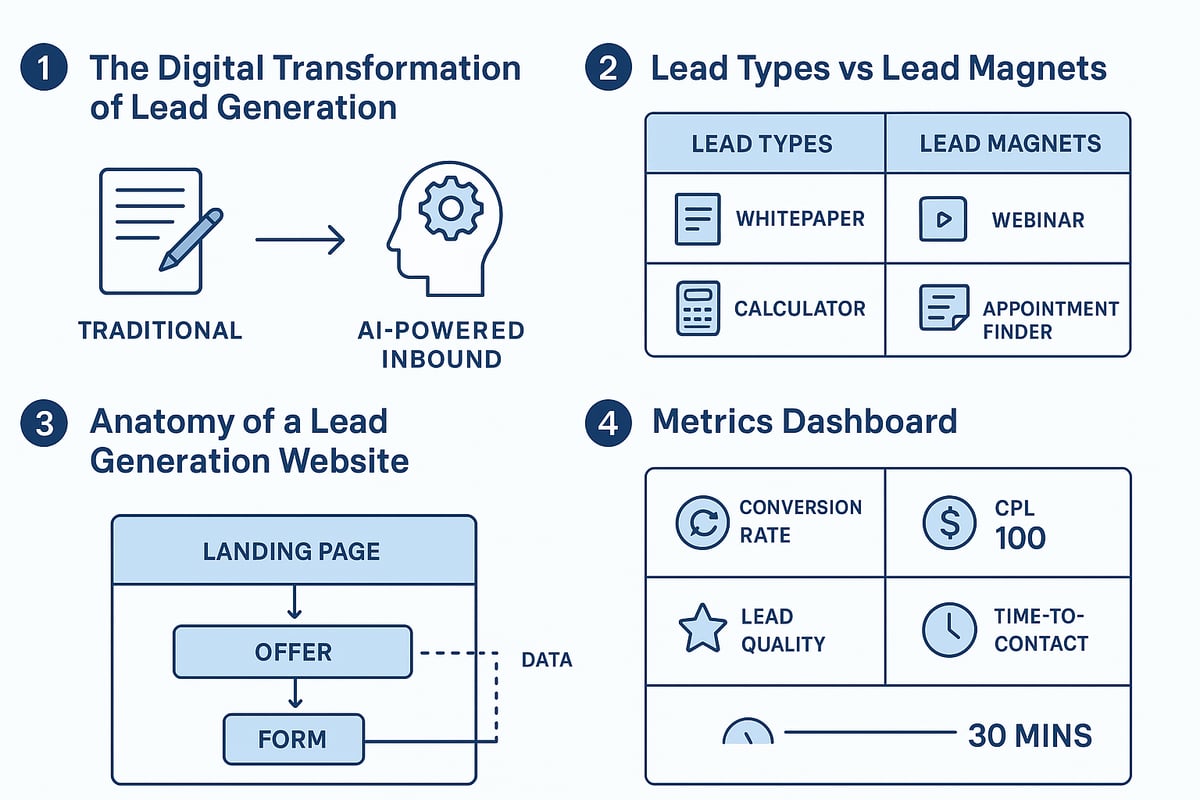
Lead generation in 2026 has fully shifted from traditional outreach to digital-first strategies. Companies that build a lead generation website are leveraging AI, automation, and strict data privacy standards to capture and convert leads more efficiently than ever. AI-driven personalization and automated workflows are redefining how value is offered and how trust is built with users.
Inbound marketing now dominates because it delivers far better conversion rates compared to cold outreach. Recent industry data shows inbound leads close at a much higher rate than purchased lists or cold calls. For example, FindLaw and Martindale Hubbell have transformed their business models from outbound-heavy to inbound-focused, resulting in stronger client engagement.
First-party data and user trust are critical. Businesses must offer real value to motivate users to share their information. To see how AI is transforming digital lead generation, explore these AI-powered lead generation in 2026 insights.
Types of Leads and Lead Magnets
When you build a lead generation website, understanding the difference between inbound and outbound leads is essential. Inbound leads arrive by engaging with your content or offers, while outbound leads are contacted directly. A “qualified” lead is contactable, shows clear intent, and provides accurate data.
Popular lead magnets include:
- Whitepapers and industry reports
- Webinars and live demos
- Surveys or quizzes
- Free trials and demo access
- Calculators and instant quote builders
For instance, SaaS companies use ROI calculators, while medical sites offer appointment finders. The key is aligning each lead magnet with your audience’s pain points. Industry research shows that offers like whitepapers and webinars attract high-intent, industry-specific leads, making them strategic choices for 2026.
How Lead Generation Websites Work
The core function when you build a lead generation website is to exchange value for user information using web forms. A typical site features a focused landing page, a compelling offer, a clear call to action (CTA), and a simple form. This structure streamlines the user’s journey and maximizes the chances of conversion.
Collected information is securely stored and used for timely follow-up or sales outreach. Some sites focus on a single high-value offer, while others provide multiple options for different audience segments. The most effective sites have clear value propositions and minimize friction, ensuring users can act quickly and with confidence.
A single, well-designed landing page with one CTA often outperforms cluttered, multi-offer pages. Keeping the process simple increases trust and leads to higher conversion rates.
Key Metrics and KPIs for Success
To build a lead generation website that performs, you need to track the right metrics. Industry benchmarks show landing page conversion rates average 2–5%, with top performers exceeding 10%. Cost per lead (CPL) and cost per action (CPA) are crucial for measuring efficiency.
Key metrics include:
| Metric | Description |
|---|---|
| Conversion Rate | % of visitors who become leads |
| Form Completion Rate | % of users finishing the form |
| Bounce Rate | % leaving without interacting |
| Lead Quality | % of leads meeting qualification |
| Time-to-Contact | Speed of follow-up after submission |
For example, optimizing your process can reduce customer acquisition costs by 34%. Continuous measurement, A/B testing, and realistic goal setting will keep your lead generation website competitive and scalable as the digital landscape evolves into 2026.
Planning Your Lead Generation Website Strategy
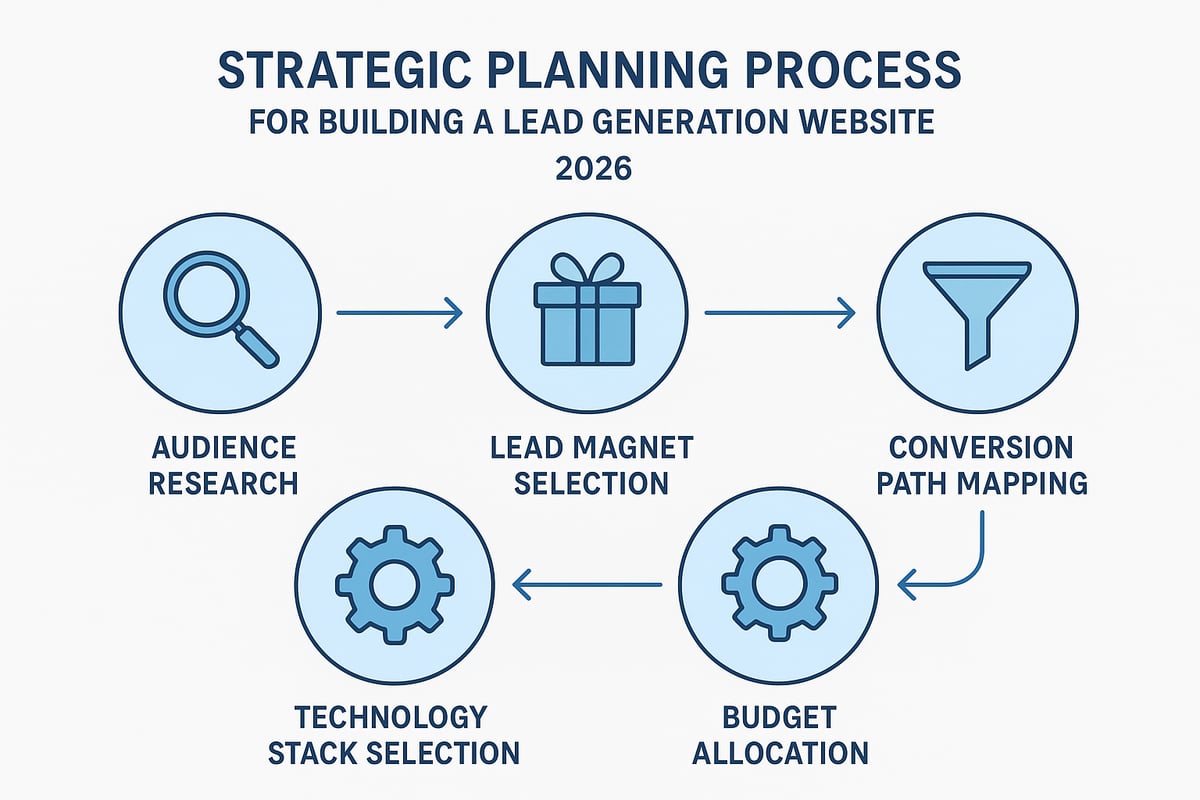
Building a roadmap to successfully build a lead generation website starts with strategy. Every step, from defining your audience to allocating resources, impacts your results. Let’s break down the essential planning steps to set your website up for conversion success in 2026.
Defining Your Ideal Customer Profile and Buyer Journey
To build a lead generation website that truly converts, you must start by clearly defining your ideal customer profile (ICP). Deep audience research is the foundation for high conversion rates. Use surveys, interviews, and analytics tools to map buyer personas, uncovering pain points and motivations.
Understand your audience’s journey:
- Awareness: Prospects realize they have a problem.
- Consideration: They evaluate possible solutions.
- Decision: They choose a provider.
For example, a B2B SaaS buyer will have a longer, research-driven journey compared to a local service client who wants quick solutions. Align your website content, offers, and CTAs to each stage. Continually refine personas with data insights to keep your approach sharp.
Choosing the Right Lead Magnet and Offer
The secret to building a lead generation website that gets results is choosing the right lead magnet for your audience. Evaluate what matters most to your prospects. SaaS companies often see success with ROI calculators or free trials, while healthcare providers may offer appointment finders.
Popular lead magnets include:
- Whitepapers and eBooks
- Webinars and live demos
- Interactive tools (calculators, quizzes)
- Free checklists and templates
Leverage the psychology of reciprocity—give genuine value first, and users are more likely to share their details. Craft compelling calls-to-action that match the intent at each funnel stage. Interactive tools, in particular, can significantly boost form submissions.
Mapping Conversion Paths and Funnel Structure
When you build a lead generation website, mapping clear conversion paths is vital. Design user flows that guide visitors from landing page to thank-you page with minimal friction. Use dedicated landing pages for each offer or segment to keep messaging laser-focused.
Consider these elements:
- Multi-step forms for complex offers
- Single-step forms for quick conversions
- Guided onboarding for SaaS free trials
- Exit-intent popups to recapture abandoning users
A streamlined navigation reduces drop-offs, while retargeting ensures you stay in front of interested prospects. Plan conversion paths with the user’s intent and your business goals in mind, always testing and refining for optimal results.
Technology Stack and Platform Selection
Choosing the right technology is a game-changer when you build a lead generation website. Prioritize scalability, integrations, ease of use, and security. Decide between website builders and custom development based on your timeline and budget.
Must-have integrations include:
- CRM for lead management
- Email automation for nurturing
- Analytics for tracking performance
- Scheduling tools for appointments
Ensure your site is mobile responsive and loads quickly. For an in-depth look at essential tools, check out these lead generation tools and technology to future-proof your site. Plan for seamless upgrades and automation as your needs evolve.
Budgeting and Resource Allocation
To efficiently build a lead generation website, estimate costs across design, development, content, and ongoing optimization. Decide whether to use in-house talent, an agency, or a hybrid approach. Prioritize investments in UX, automation, paid traffic, and content creation.
Key budgeting tips:
- Allocate funds for compliance and security
- Invest in automation to save time and reduce manual tasks
- Track ROI to adjust spending for best results
For example, many companies save over 20 hours per week by automating repetitive workflows. Plan resource allocation carefully to ensure you’re set up for sustainable growth and compliance in 2026.
Designing a High-Converting Lead Generation Website
A high-performing lead generation website is more than an online business card; it is your 24/7 sales engine. To build a lead generation website that consistently delivers results in 2026, you must combine strategic structure, persuasive messaging, seamless user experience, and advanced technology. Let’s break down the essential elements that transform visitors into qualified leads.
Landing Page and Website Structure Best Practices
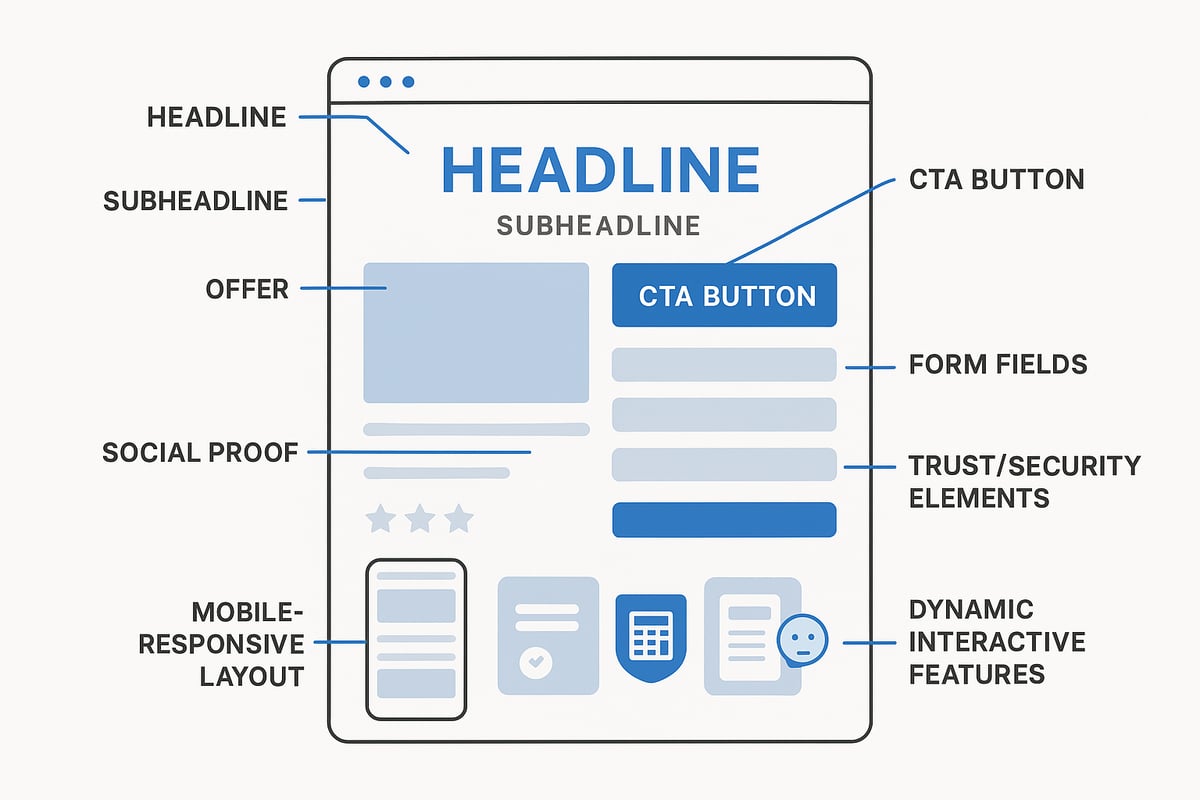
The foundation for any successful attempt to build a lead generation website lies in its structure. A high-converting landing page features a compelling headline, a clear subheadline, an irresistible offer, a prominent CTA, and a concise form.
Remove all unnecessary navigation or outbound links to keep the user focused. Above-the-fold CTAs ensure visitors know what action to take immediately. Social proof—like testimonials or star ratings—boosts credibility.
Consider single-offer pages for laser-focused conversions or multi-offer pages for segmented audiences. For a deeper dive into optimizing your funnel, check out Effective sales funnel strategies. This approach ensures your lead generation website structure aligns with modern buyer journeys.
Crafting Compelling Copy and Visuals
To build a lead generation website that converts, your copy must be clear, benefit-driven, and tailored to your audience’s pain points. Start with a strong value proposition in your headline. Use short sentences and highlight outcomes.
Integrate visuals that reinforce your message, such as before-and-after galleries or industry-specific images. Trust signals—like client logos, testimonials, and security icons—help overcome skepticism. Every element on the page should answer: “Why should I give you my information?”
Use bullet lists to break down benefits, and bold key phrases so visitors can scan quickly. Remember, visuals are not decoration; they are conversion tools.
Form Design and Conversion Optimization
The form is the gateway to your lead pipeline. When you build a lead generation website, keep forms as short as possible—ask only for essential info like name, email, and phone. For complex offers, multi-step forms can boost completion rates.
Implement inline validation so users get instant feedback. Test different placements: sidebar, modal, or embedded. Button copy should be action-oriented, like “Get My Free Quote.”
For industries like healthcare, ensure forms are compliant with regulations like HIPAA. Regularly A/B test your forms. Even a small change can mean a 2% to 10% lift in conversions.
Mobile Optimization and Accessibility
In 2026, mobile-first design is non-negotiable if you want to build a lead generation website that performs. Responsive layouts ensure your site looks and functions perfectly on any device.
Fast load times reduce bounce rates. Follow WCAG guidelines for accessibility: use alt text, clear color contrasts, and keyboard navigation. Inclusive design widens your potential audience.
Mobile-optimized tools like appointment finders or instant calculators are key for industries like healthcare and SaaS. Don’t just test on desktop—your mobile experience often decides your conversion fate.
Social Proof and Trust Elements
Trust can make or break your efforts to build a lead generation website. Showcase real client reviews, star ratings, and case studies directly on your landing pages.
Display recognizable logos and industry awards for instant credibility. Security badges, SSL certificates, and clear privacy notices assure visitors their data is safe.
For example, stating “4.9/5 average rating from 157 reviews” near your CTA can increase completion rates. Make compliance features visible to reinforce transparency and build long-term trust.
Advanced UX Features for 2026
The future of lead gen is interactive and personalized. As you build a lead generation website for 2026, leverage dynamic content that adapts to each visitor.
Add calculators, quizzes, and configurators for engagement. Smart popups—like exit-intent offers or chatbots—capture leads before they leave. AI-driven nurture engines and automated scheduling simplify the process for both you and your prospects.
Personalized experiences can boost conversions by up to 202 percent. Embrace these advanced features to differentiate your site and future-proof your lead flow.
Essential Features and Technologies for 2026
To build a lead generation website that thrives in 2026, you need more than just a contact form and a catchy headline. Today’s users expect seamless experiences, instant responses, and total trust. Let’s break down the must-have features and technologies that will set your site apart, boost conversions, and future-proof your digital lead engine.
Must-Have Lead Generation Features
When you build a lead generation website for 2026, focus on features that drive action and trust. Every page should have a clear, compelling call to action. High-converting forms with progressive profiling let you gather key info without overwhelming visitors.
Instant engagement is crucial, so integrate live chat or an AI chatbot. Automated appointment scheduling saves time for both users and your team. For targeted content, create industry or role-specific use-case hubs.
Checklist of essentials:
- Prominent CTAs on every page
- Short, smart forms (progressive profiling)
- Live chat or chatbot for instant help
- Automated scheduling tools
- Targeted content hubs
These features ensure your site is more than a brochure. They make your site a lead conversion engine.
AI and Automation in Lead Generation Websites
AI is revolutionizing how you build a lead generation website. AI-powered chatbots now qualify leads 24/7, answer questions, and even book meetings automatically. Automation tools score and segment leads based on behavior, syncing data with your CRM.
For a deeper dive, check out AI Tools Automating Lead Generation in 2026, which explores the latest AI innovations for smarter prospecting.
Key benefits of AI and automation:
- Always-on lead qualification and nurturing
- Automated lead scoring and CRM integration
- AI agents that engage and book meetings
- Reduced manual workload, higher lead quality
Smart automation frees your team to focus on high-value conversations.
Interactive Tools and Calculators
To build a lead generation website that stands out, add interactive tools. ROI calculators, instant quote builders, and appointment finders invite users to engage and see value right away.
For example, a SaaS ROI calculator helps prospects understand potential returns, while a construction cost estimator provides instant quotes. Medical sites benefit from triage guides or appointment finders that streamline the booking process.
Popular interactive tools:
- ROI calculators for SaaS/services
- Instant quote builders for consulting or cleaning
- Appointment finders for healthcare
- Project cost estimators for construction
These interactive elements boost engagement and increase form submissions.
Personalization and Dynamic Content
Personalization is a game-changer when you build a lead generation website for 2026. Use behavioral data to tailor offers and messaging to each visitor. Dynamic landing pages adapt content based on traffic source, such as ads, email, or organic search.
Personalized follow-up sequences, triggered by user actions, can nurture leads more effectively. Industry or role-based hubs deliver content that speaks directly to audience needs.
Personalization tactics:
- Dynamic CTAs and landing pages
- Behavioral segmentation for offers
- Automated, personalized follow-ups
Personalized experiences can increase conversions by more than double compared to generic ones.
Security, Privacy, and Compliance
Trust is non-negotiable if you want to build a lead generation website that converts in 2026. Implement SSL encryption and secure form handling on every page. Stay compliant with GDPR, CCPA, and HIPAA for medical sites.
Display clear privacy policies and use consent management tools. Show security badges and compliance notices to reassure visitors.
Compliance essentials:
- SSL and encrypted data storage
- Clear privacy and consent policies
- Visible GDPR, CCPA, HIPAA badges
- Secure intake forms
Prioritizing security builds trust and protects your business from costly mistakes.
How Adstra’s AI Infrastructure Accelerates Lead Generation
Adstra’s AI Growth Funnel Infrastructure is transforming how B2B SaaS and online service companies build a lead generation website. Their AI agents automate lead engagement, qualification, and demo bookings, integrating seamlessly with your CRM and calendar.
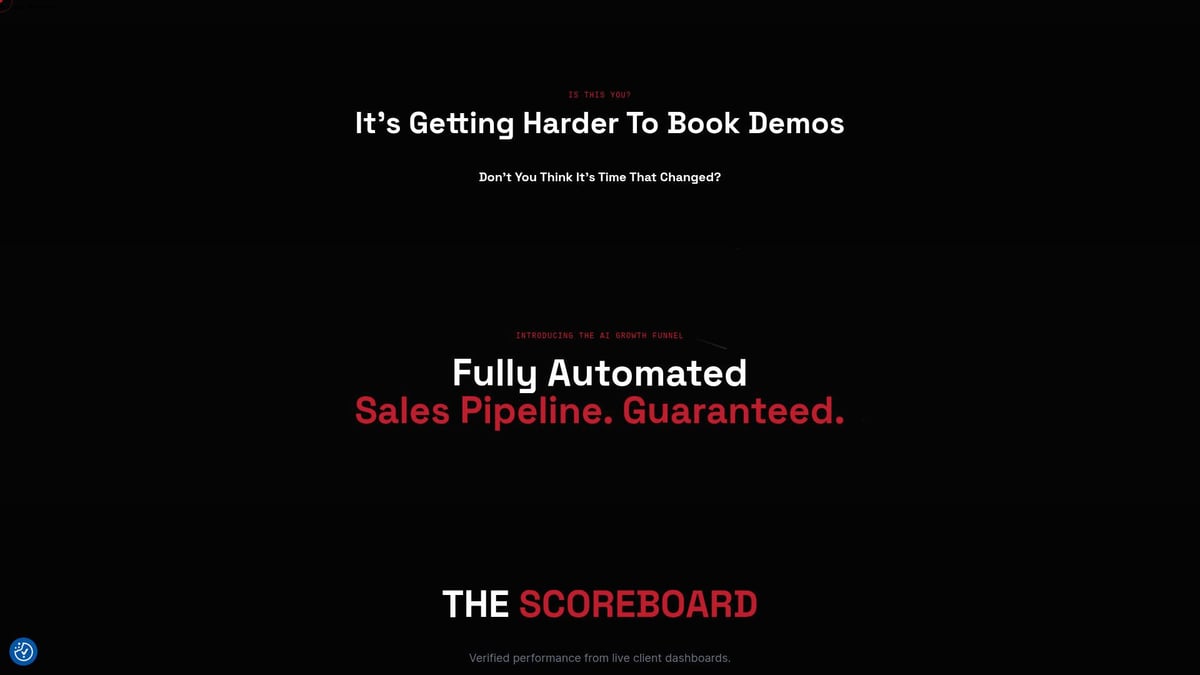
Clients see an average 34% drop in customer acquisition cost and report 10x ROI. Adstra guarantees more qualified meetings or you pay nothing. Plus, they offer free tools and affordable DIY training for businesses of any size.
Ethical, permission-based lead generation means no spam or cold calls—just consistent, high-quality leads that convert.
Optimization, Testing, and Scaling for 2026 Growth
Optimizing and scaling your efforts to build a lead generation website is the difference between average results and outstanding growth in 2026. As competition intensifies, you need a systematic approach to testing, refining, and expanding your digital presence. Let’s break down the key strategies that will help you achieve reliable, scalable results.
Conversion Rate Optimization (CRO) Strategies
To build a lead generation website that converts consistently, you must make CRO a continual process. Start by A/B testing headlines, forms, and calls-to-action. Use heatmaps and session recordings to pinpoint where visitors drop off or hesitate.
Track metrics like conversion rate, bounce rate, and form abandonment. For example, many companies have seen rates jump from 2 percent to over 10 percent after methodically testing and refining landing pages. Small tweaks, such as changing button text or reducing form fields, can deliver big gains.
Iterate based on real data, not assumptions. Set clear benchmarks, and measure the impact of every change. This ongoing process is essential if you want to build a lead generation website that keeps pace with shifting user expectations.
Traffic Generation and Acquisition Channels
Attracting the right audience is fundamental when you build a lead generation website for 2026. Combine organic and paid channels for a balanced traffic mix. Focus on SEO to rank for high-intent keywords, and use Google Ads or social media retargeting for immediate visibility.
Content marketing, such as blogs, guides, and webinars, establishes authority and nurtures trust. Partnerships and affiliate programs can open new lead pipelines. To stay ahead, explore video campaigns and AI chatbots as highlighted in these Lead Generation Strategies for 2026.
Diversifying your acquisition channels ensures steady growth and insulates your business from changes in any single platform. Always measure channel ROI and reallocate budget to what works best.
Lead Nurturing and Automation Workflows
Effective nurturing is the secret to maximizing the value of every lead. When you build a lead generation website, set up automated email campaigns that move leads through the funnel based on their actions. Use segmentation to tailor messaging by interest or behavior.
AI-driven nurture engines provide instant follow-up, handle objections, and schedule demos—saving your team hours each week. Automated SMS and email reminders keep prospects engaged without manual effort. For those seeking cost-effective options, explore Free lead generation strategies to supplement your approach.
The goal is to keep leads warm and guide them smoothly to conversion, increasing both efficiency and close rates.
Data Analytics and Performance Tracking
Data is the backbone of every effort to build a lead generation website that scales. Integrate analytics tools to track real-time performance across all channels. Monitor where leads originate, conversion rates by source, and overall lead quality.
Dashboards make it easy to visualize trends and identify areas for improvement. For example, tracking 100,000 plus leads enables you to spot patterns and adjust tactics quickly. Continuous measurement informs smarter decisions and helps you allocate resources to the highest-performing strategies.
A commitment to analytics ensures your site evolves with market demands and delivers predictable results.
Scaling Your Lead Generation Website
As your campaigns succeed, you need to prepare your infrastructure to handle more leads. Automate repetitive processes, such as lead assignment and follow-up, to maintain quality at higher volumes. Expand into new markets by launching dedicated landing pages tailored to different verticals or regions.
When you build a lead generation website for scale, invest in robust hosting, CRM integrations, and scalable automation tools. Companies serving clients in over 100 countries use this approach to manage global growth while keeping user experience consistent.
Regular audits and updates ensure your site stays fast, secure, and effective as you scale.
Compliance, Security, and Trust at Scale
Growth brings new responsibilities. To build a lead generation website that endures, prioritize ongoing compliance as privacy laws evolve. Regularly audit your security protocols, update privacy policies, and ensure consent management tools are current.
SaaS and healthcare providers, for example, rely on encrypted forms and secure data storage to protect sensitive information. Visible compliance features, such as SSL badges and GDPR notices, reassure visitors and boost trust.
Protecting user data and maintaining transparency are essential to retaining high-quality leads and building lasting relationships.
Future-Proofing Your Lead Generation Website for 2026 and Beyond
Staying ahead in digital marketing means you must future-proof how you build a lead generation website. The fast pace of tech change, evolving user expectations, and new compliance demands make it crucial to think beyond the basics. This section provides a step-by-step blueprint to help you adapt, innovate, and thrive as you build a lead generation website that stands the test of time.
Embracing Emerging Technologies
To build a lead generation website that outpaces competitors, embrace AI, machine learning, and predictive analytics. These technologies enable you to predict buyer intent, personalize experiences, and automate qualification. Voice search optimization and conversational interfaces are becoming standard, making it easier for prospects to connect instantly.
Integrating with new platforms like messaging apps and voice assistants further expands your reach. For a deeper dive into how AI will transform your approach, check out AI-Powered Lead Generation Insights for 2026. Early adoption of these tools ensures your strategy stays ahead as you build a lead generation website.
Adapting to Changing User Behaviors
Modern buyers expect instant value and seamless experiences. When you build a lead generation website, focus on delivering on-demand demos, instant quotes, and mobile-first design. Privacy expectations are shifting, so transparency and user control over data are non-negotiable.
Omnichannel engagement is now the norm, with users moving between devices and platforms. Features like real-time appointment scheduling and AI-powered chatbots meet users where they are. By addressing these behaviors, you ensure your website resonates with the audience of 2026 and keeps conversions high.
Continuous Learning and Iteration
Continuous improvement is the backbone when you build a lead generation website that lasts. Test new features, gather user feedback, and implement changes based on real data, not assumptions. Stay up to date with industry trends, UX best practices, and evolving compliance rules.
Consider investing in team training and upskilling to keep your staff sharp. Companies that update offers and user experience quarterly consistently outperform those who do not. Watching frameworks like the one in the AI Lead Generation Strategy for 2026 video can inspire your next big optimization.
Building a Sustainable Lead Generation Ecosystem
Long-term success depends on balancing automation with human interaction. As you build a lead generation website, create feedback loops between sales and marketing to refine your approach. Focus on lead quality, not just quantity, to boost ROI and lower acquisition costs.
Leverage AI nurture engines for routine tasks, but maintain personalized outreach for high-value leads. Plan for scalability, ongoing compliance, and changing market needs. By building a lead generation website with sustainability in mind, you position your business for lasting growth.
Now that you’ve seen how the right strategy, smart design, and cutting edge AI can set your lead generation website up for 2026 success, why not get tailored advice for your business? If you’re serious about turning cold prospects into ready to buy customers and want to see how Adstra’s growth partnership can guarantee better results, let’s talk. You’ll walk away with actionable ideas specific to your goals—no pressure, just real value from people who live and breathe lead generation. Ready to accelerate your growth and outpace the competition? Book a FREE Strategy Call and let’s build your future together.