
Marketing in 2025 is not just evolving, it is transforming at lightning speed. Marketers are facing unprecedented shifts, from unpredictable consumer behaviors to disruptive technologies and soaring competition.
Staying ahead demands more than just hard work. You need to improve marketing strategies with agility and foresight. This article reveals seven smart, actionable ways to future-proof your approach.
Get ready for fresh insights and practical steps that will help you thrive as the market changes. If you want to lead, not lag behind, these strategies are designed to empower you to act now.
The Future of Marketing: Trends and Challenges in 2025
The world of marketing is evolving faster than ever before. Brands that want to improve marketing in 2025 must keep pace with radical changes in technology, consumer behavior, and global competition. If you want to stay ahead, you need to understand where the industry is headed and how to adapt.
The Top Trends Shaping Marketing in 2025
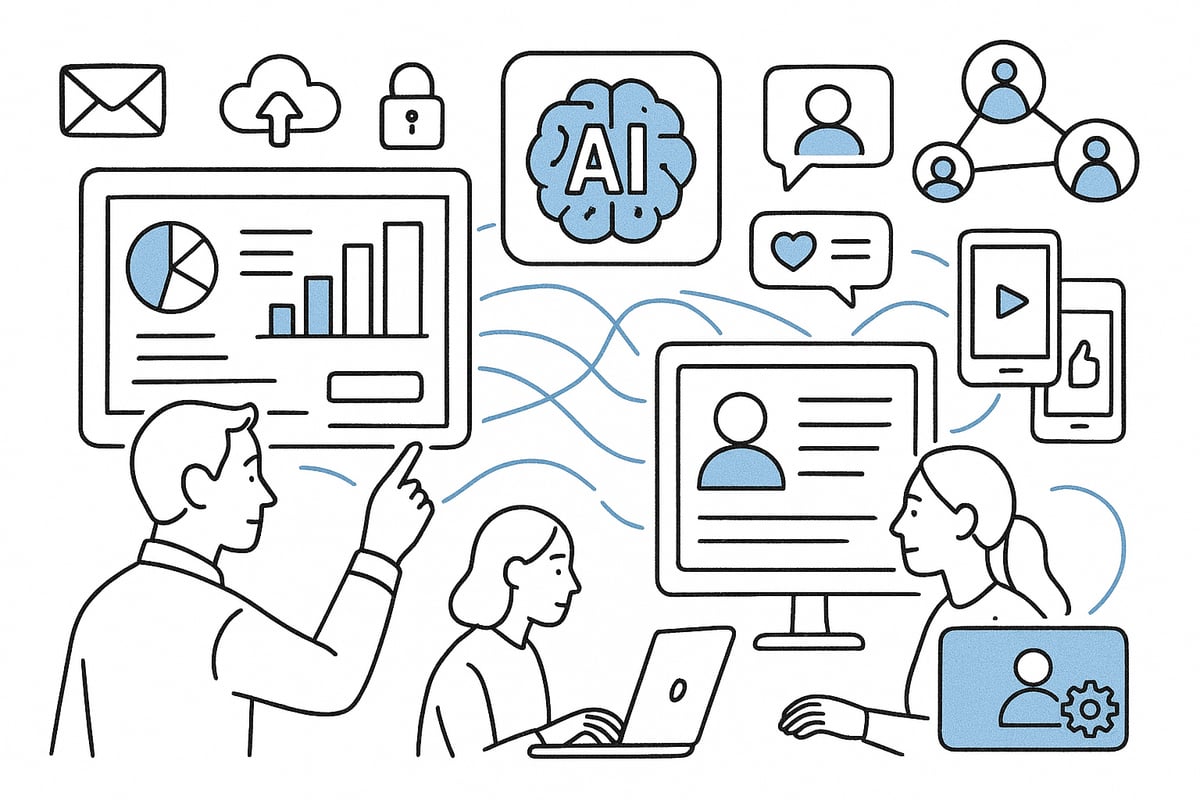
Marketing in 2025 is defined by four key trends:
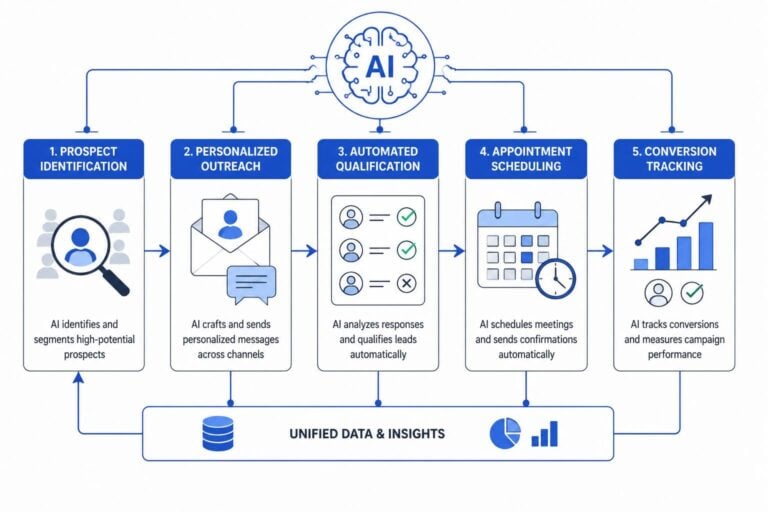
- AI Integration: Artificial intelligence is now essential for automation, content creation, and predictive analytics. Marketers use AI to improve marketing by personalizing experiences and optimizing campaigns in real time.
- Hyper-Personalization: Tailored messaging and offers, powered by advanced data, help brands connect with consumers on a one-to-one level.
- Omnichannel Experiences: Customers expect seamless interactions across email, social, SMS, and web. Consistency builds trust and retention.
- Data Privacy: With stricter regulations, transparent data practices are critical. Respect for privacy is now a competitive advantage.
Want a deeper dive into how AI is transforming the field? Check out AI’s Impact on Marketing Strategies for insights on content, data, and personalization.
Challenges Marketers Face
These trends bring new obstacles:
- Consumer Skepticism: According to a Verint study, only 24% of consumers feel companies notice their opinions. Marketers must work harder to improve marketing credibility.
- Data Overload: The sheer volume of information can overwhelm teams and systems, making it tough to extract actionable insights.
- Privacy Regulations: Laws like GDPR and CCPA require constant adaptation, or brands risk losing trust and facing penalties.
- Channel Fragmentation: As audiences spread across more platforms, single-channel approaches are fading fast.
| Trend/Challenge | Impact on Marketers |
|---|---|
| AI Integration | Enables efficiency, but needs skill |
| Personalization | Boosts engagement, requires data |
| Omnichannel | Demands coordination and tech |
| Data Privacy | Builds trust, adds compliance needs |
Brands Navigating the New Landscape
Forward-thinking brands are already adapting to improve marketing. Companies like Netflix, Nike, and Spotify use AI-driven personalization to keep users engaged. Others, such as Patagonia and Apple, lead with transparency and privacy, earning customer loyalty.
B2B leaders are embracing omnichannel tactics, integrating web, social, and direct outreach for a unified customer journey. These brands prove that when you combine innovation with a customer-first mindset, you can thrive despite disruption.
Anticipating and Responding to Disruption
To improve marketing in 2025, agility is essential. Marketers should:
- Invest in continuous learning and digital upskilling.
- Regularly audit tools and strategies for relevance.
- Foster a culture of experimentation and rapid adaptation.
- Listen to customer feedback and act on insights.
Industry leaders agree: innovation and customer-centricity are non-negotiable if you want to not just survive, but lead. The future belongs to those who proactively improve marketing by embracing change, not fearing it.
7 Smart Ways to Improve Marketing in 2025
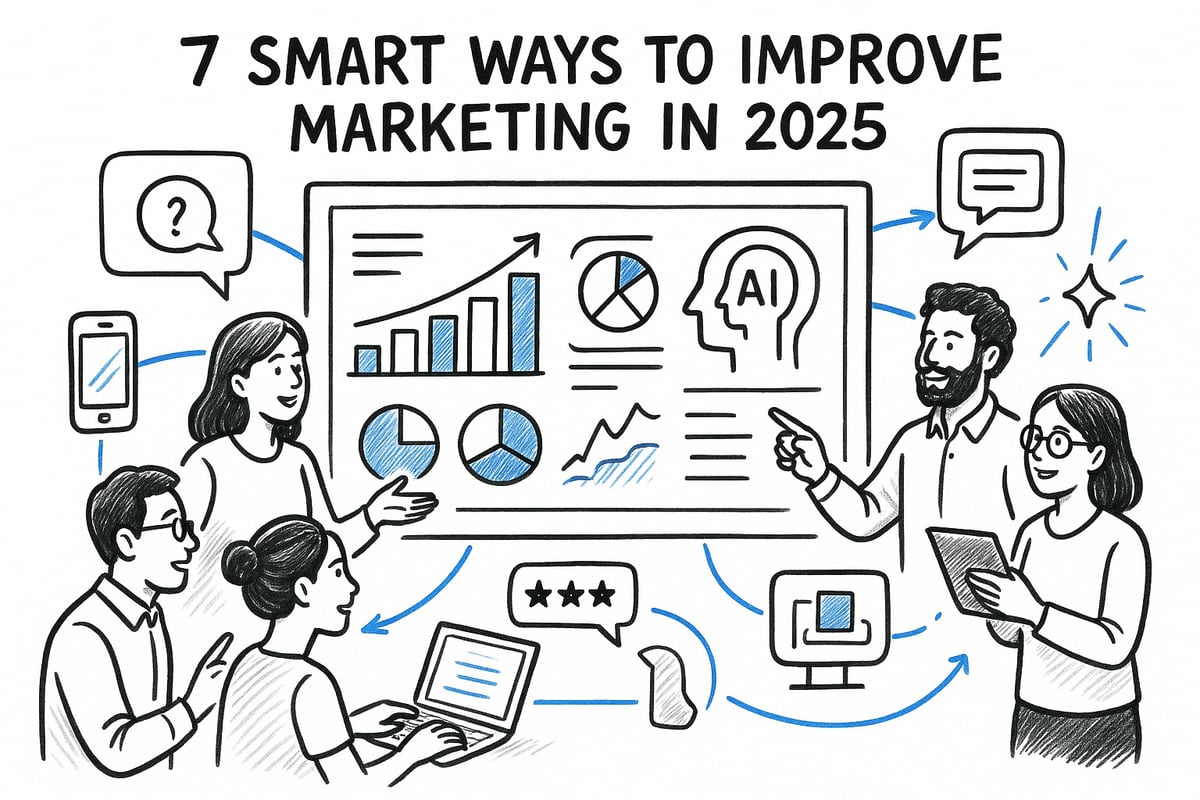
The future of marketing is here, and it’s never been more urgent to adapt. If you want to improve marketing results in 2025, you need strategies that are smarter, faster, and more customer-focused than ever before. In this section, you’ll discover seven proven ways to outpace competitors, capture attention, and future-proof your brand. Each strategy is packed with actionable steps to help you improve marketing efforts and achieve real, measurable growth.
1. Embrace AI-Driven Personalization
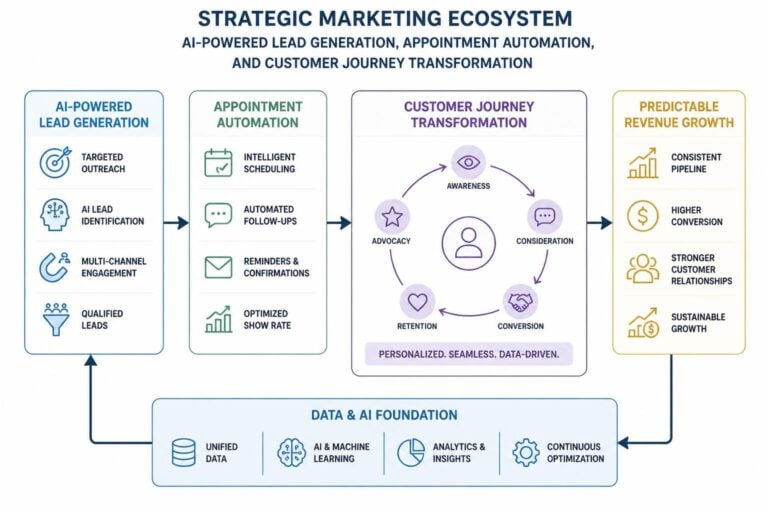
AI-driven personalization is revolutionizing how brands improve marketing outcomes. By leveraging machine learning, marketers can tailor content, offers, and experiences to each customer’s unique preferences in real time. This hyper-personalization goes beyond basic segmentation, using algorithms to predict what users want before they even know it.
Platforms like HubSpot, Salesforce, and Adobe Sensei enable dynamic audience segmentation, personalized email flows, and content recommendations at scale. For example, Netflix uses AI to suggest shows tailored to individual tastes, boosting engagement and retention. Similarly, e-commerce brands deploy AI-driven product recommendations to increase average order value.
According to a McKinsey study, companies using advanced personalization see up to 20% higher ROI compared to those relying on generic messaging. However, to improve marketing with AI, data quality is non-negotiable. Clean, ethically sourced data builds trust and powers accurate predictions. It’s also vital to balance automation with a genuine human touch, ensuring customers feel understood, not just targeted.
Action steps to improve marketing with AI:
- Audit your current data for accuracy and completeness.
- Integrate AI tools into your CRM and email platforms.
- Train your team on ethical AI use and data privacy.
- Set up feedback loops to refine personalization over time.
For more on practical AI applications, check out this guide on AI-driven marketing transformation.
2. Build an Omnichannel Customer Experience
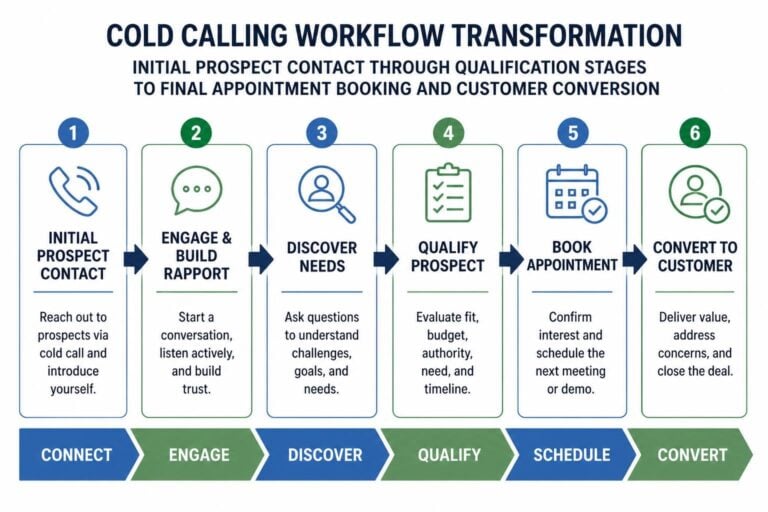
In 2025, customers expect brands to be everywhere they are, with seamless experiences across every channel. Omnichannel marketing means orchestrating consistent messaging across email, SMS, social media, your website, and even offline touchpoints. This approach helps improve marketing by delivering a unified brand story that builds trust and loyalty.
Consider Starbucks, which connects its app, rewards program, and in-store experience so customers can order ahead, earn points, and receive personalized offers wherever they are. This seamless journey drives higher retention and customer lifetime value.
But building an omnichannel strategy can be challenging. Siloed data, inconsistent messaging, and channel overload often derail efforts. The key is to unify customer profiles and use integrated platforms that sync data in real time.
Tips to improve marketing through omnichannel approaches:
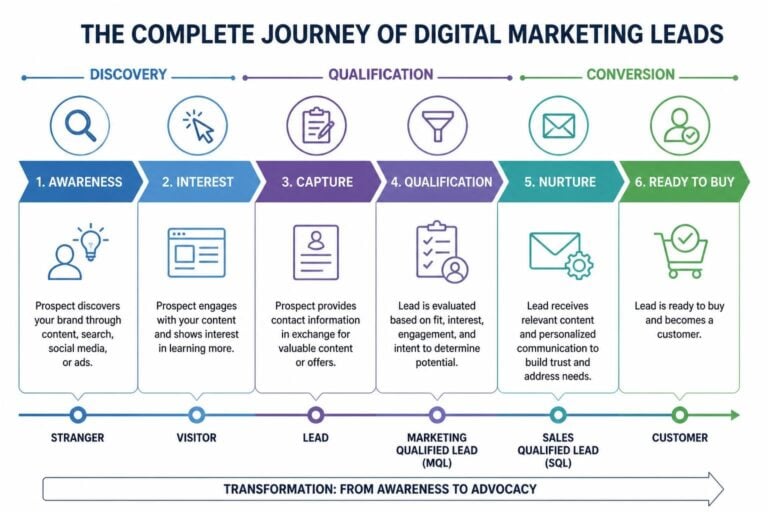
- Map the customer journey to identify key touchpoints.
- Use a centralized data hub for unified customer insights.
- Ensure creative and messaging are consistent across channels.
- Regularly review analytics to optimize each channel’s performance.
Omnichannel leaders see up to 30% higher customer lifetime value, proving the impact of this approach.
3. Leverage Data Analytics for Smarter Decision-Making
Data analytics is now the backbone of every effort to improve marketing. With endless options for channels and tactics, data-driven insights help you focus on what truly works. Modern analytics platforms track KPIs, customer behavior, and campaign performance in granular detail.
Tools like Google Analytics, Tableau, and Looker allow you to visualize trends, segment audiences, and measure ROI. For example, an e-commerce brand might use analytics to discover which landing pages convert best, then double down on those tactics.
A/B testing is crucial for ongoing improvement. By testing subject lines, ad copy, or landing page layouts, marketers can make incremental gains that add up to big results. Continuous monitoring and iterative adjustments are essential to improve marketing effectiveness.
Best practices:
- Define clear, actionable metrics tied to business goals.
- Invest in analytics training for your team.
- Use real-time dashboards to track progress.
- Prioritize data privacy and compliance in every step.
Research shows that data-driven organizations are 23 times more likely to acquire customers and 6 times as likely to retain them.
4. Foster Authentic Customer Relationships and Community
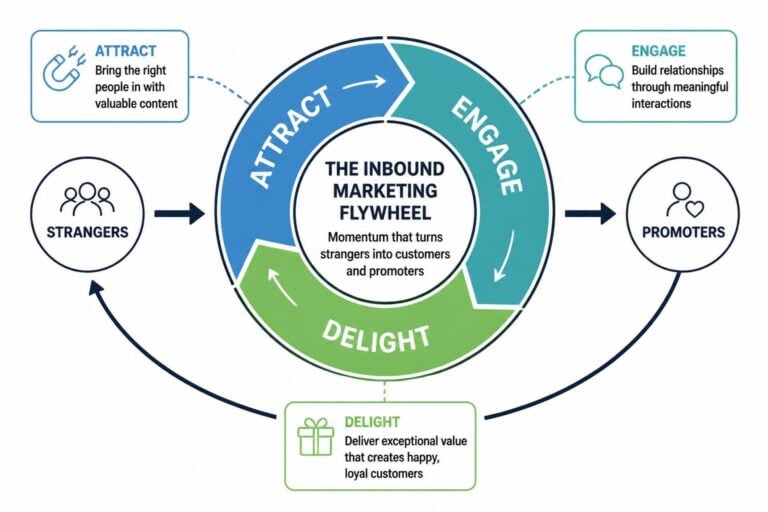
Transactional marketing is losing ground to brands that foster real, lasting relationships. Building community means listening, engaging, and empowering your customers to become advocates. This shift is key if you want to improve marketing results in 2025.
Social listening tools help you understand what your audience cares about. Platforms like Discord or Facebook Groups create spaces for your fans to connect, ask questions, and share experiences. Brands like LEGO have mastered this by nurturing vibrant online communities where user-generated content and feedback shape product decisions.
Surveys show only 29% of consumers feel valued by brands, highlighting the need for more authentic engagement. To improve marketing, focus on two-way conversations, transparency, and quick responses.
Proven tactics:
- Launch loyalty programs and advocacy campaigns.
- Share educational content and host interactive events.
- Use customer feedback to inform product and service improvements.
- Measure relationship health with NPS and engagement metrics.
For a deeper dive into genuine customer engagement, visit this resource on customer-centric marketing approaches.
5. Align Marketing Strategies with Business Goals
Marketing cannot exist in a vacuum. To truly improve marketing, your initiatives must align with overarching business objectives like revenue growth, market share, and customer retention. This alignment ensures every campaign contributes to the big picture.
Frameworks like OKRs (Objectives and Key Results) and balanced scorecards help connect marketing KPIs to company-wide targets. When marketing, sales, and product teams collaborate, efficiency soars and goals are met faster.
Companies that regularly review strategies and share dashboards across departments see higher success rates. For example, a B2B SaaS provider improved marketing ROI by holding monthly alignment meetings, which reduced duplicated efforts and clarified priorities.
Common pitfalls include misaligned incentives and communication gaps. To improve marketing alignment:
- Schedule regular cross-functional planning sessions.
- Use shared dashboards for transparency.
- Review progress against goals every quarter.
- Encourage open feedback and rapid iteration.
Aligned organizations are 67% more effective at achieving objectives, making this a must for 2025.
6. Prioritize Value-Driven Content and Thought Leadership
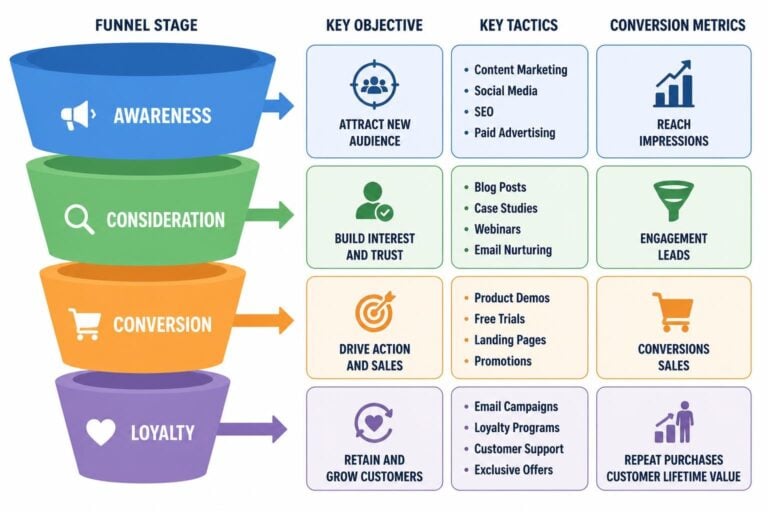
Content is still king, but in 2025, only value-driven content breaks through the noise. Audiences crave educational resources, in-depth guides, and thought leadership that solve real problems. By focusing on value, you improve marketing by attracting, nurturing, and retaining loyal customers.
Brands like HubSpot and Moz have built authority with high-quality blogs, webinars, and research reports. Their content not only educates but also positions them as trusted industry leaders.
Storytelling and a consistent brand voice are essential. Tailor your content to each platform and segment, ensuring relevance and resonance. Plan content calendars, distribute across channels, and track engagement to continuously improve marketing results.
Tips for success:
- Identify core topics that matter to your audience.
- Invest in diverse content formats (videos, podcasts, guides).
- Measure impact with metrics like time on page and shares.
- Refresh and repurpose top-performing content regularly.
Content marketing delivers 3x more leads than paid search and costs 62% less, proving its power in building loyalty and authority.
7. Continuously Analyze the Competition and Innovate
In a fast-moving landscape, standing still means falling behind. To improve marketing, brands must keep a close eye on competitors, spot opportunities, and innovate relentlessly. Competitive analysis tools reveal what’s working (and not working) for others in your space.
Monitor competitors’ keywords, backlinks, and social campaigns. Use customer feedback and reviews to understand where they’re excelling or missing the mark. Some brands even use secret shopping and benchmarking to gain deeper insights.
Innovation is the lifeblood of growth. Test new channels, experiment with emerging formats, and embrace creative risk-taking. For instance, companies that adopted TikTok early saw explosive reach and engagement.
Steps to improve marketing through competitive intelligence:
- Schedule quarterly competitor reviews.
- Set up alerts for industry trends and competitor moves.
- Encourage a culture of experimentation and calculated risk.
- Differentiate your brand by focusing on unique strengths.
Studies show that organizations with proactive competitive analysis gain up to 20% more market share, highlighting the value of constant vigilance and innovation.
Building a Data-Driven, Customer-Centric Marketing Team
The marketing landscape in 2025 demands more than creativity. To truly improve marketing, teams must become data-driven, adaptable, and relentlessly customer-centric. Success now hinges on having the right blend of technical skills, analytical thinking, and a deep understanding of customer needs.

What sets high-performing teams apart? The answer lies in key capabilities:
- Data literacy and analytical mindset
- Adaptability to new tools and platforms
- Collaboration across functions
- Empathy for customer pain points
Teams that prioritize these skills consistently improve marketing outcomes. Investing in ongoing training is essential. Upskilling in digital analytics, AI tools, and customer journey mapping ensures everyone stays ahead of the curve.
A culture of experimentation is critical. Encourage your team to test new ideas, learn from failures, and share insights. Organizations that reward learning and innovation see faster growth and stronger results.
For example, leading B2B companies are allocating budget to cross-functional workshops and certifications. This not only boosts morale but also aligns everyone toward shared objectives.
However, change management can be challenging. Resistance to new processes or tools is common. Overcome this by involving team members early, communicating benefits clearly, and celebrating quick wins.
Recruitment and retention are equally vital. In a competitive market, top talent seeks environments that foster growth and value their expertise. Offer clear career paths, mentorship, and opportunities to lead projects.
According to Consumer Trust and Brand Loyalty Trends, organizations with skilled, customer-focused teams build stronger brand loyalty and see measurable lifts in performance. This proves that investing in people is a proven way to improve marketing.
In summary, building a data-driven, customer-centric team is the fastest route to sustainable growth. Commit to continuous learning, support your people, and watch your efforts to improve marketing deliver outstanding results.
Ready to put these 7 smart marketing strategies into action for 2025? If you’re serious about turning cold leads into loyal customers and driving predictable growth, why not team up with experts who live and breathe value-driven marketing? At Adstra, we’ve helped businesses like yours unlock new revenue streams by combining AI with real human insight—just check out our client stories for proof. If you’re curious how a tailored approach could transform your results, let’s chat one-on-one.
Book a FREE Strategy Call