
Are you finding it harder to keep your sales pipeline full as competition heats up in 2025? You’re not alone. The lead generation source you rely on today may not deliver tomorrow, as buyer behaviors and digital channels evolve at lightning speed.
To stay ahead, you need to rethink your approach. This article unveils seven proven lead generation source ideas already fueling success and poised to become game changers in 2025. Whether you’re running a startup, leading an agency, or scaling an established brand, these insights will help you attract, engage, and convert more qualified leads.
Get ready to explore the latest high-performing channels, learn how to implement each strategy, and discover actionable tips to maximize your lead flow. Start your journey to lead generation source mastery and set your business up for growth in the year ahead.
The Evolving Landscape of Lead Generation in 2025
The world of lead generation source strategies is evolving faster than ever. As buyers become more empowered and technology advances, businesses need to rethink how they attract and convert prospects. Understanding these shifts is crucial for staying ahead of competitors and making your lead generation source mix work smarter, not harder.
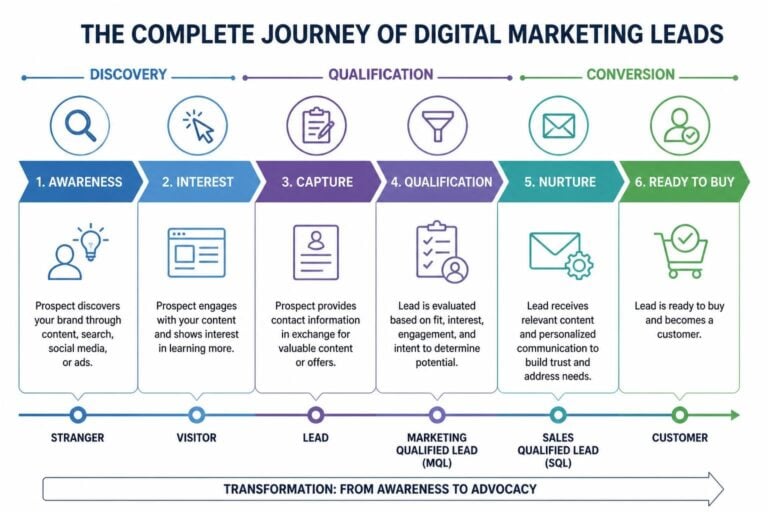
Shifting Buyer Behaviors and Expectations
Today’s buyers are more informed than ever, often researching extensively before connecting with sales. In fact, the average B2B buyer now consumes 13 pieces of content before engaging with a representative (B2B content consumption growth). This shift means your lead generation source must deliver valuable information across channels.
Buyers expect personalized experiences and real-time responses. Companies leveraging AI chatbots see up to 67 percent faster response times, meeting the demand for instant answers. Trust, transparency, and social proof are no longer optional; your lead generation source must incorporate these elements to earn attention and build relationships.
Inbound vs. Outbound: What’s Working Now
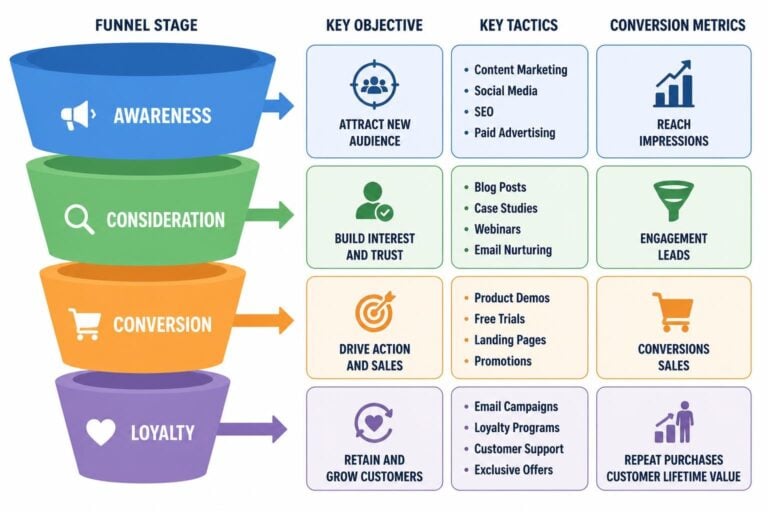
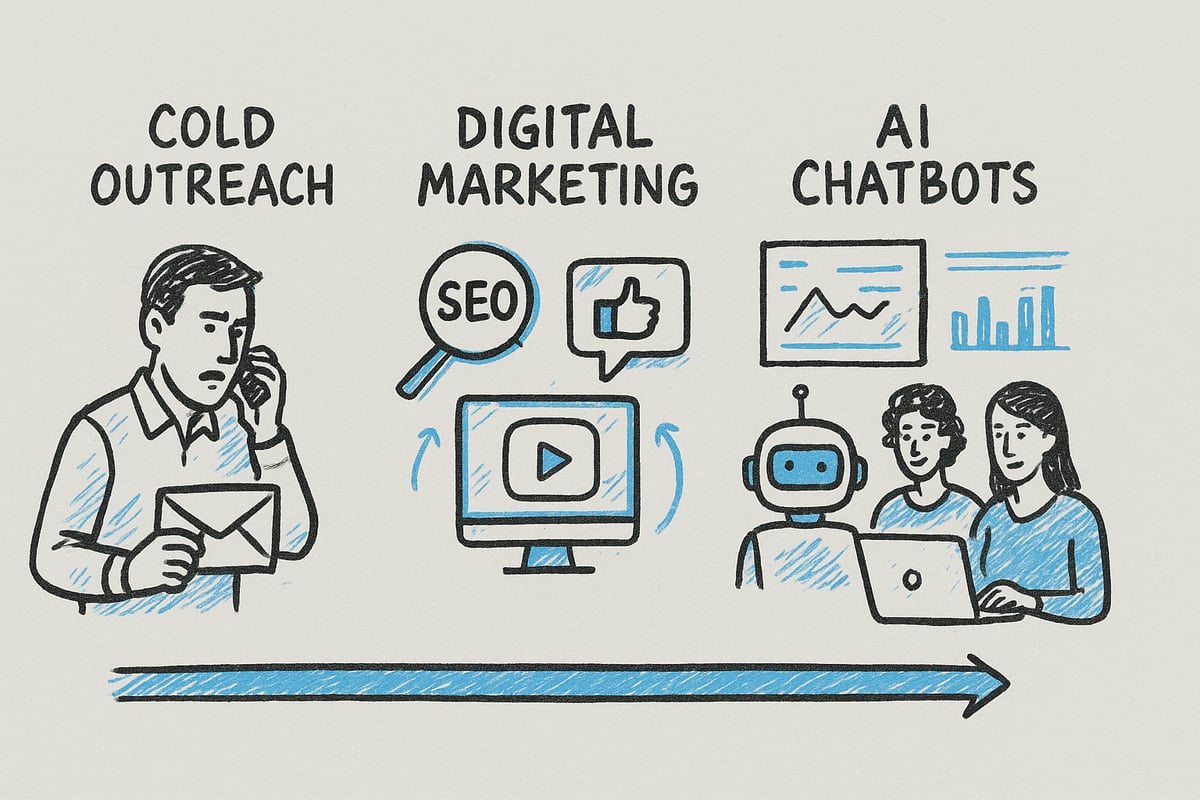
Inbound approaches like SEO, content marketing, social engagement, and webinars remain powerful lead generation source channels for qualified leads. Outbound methods such as cold outreach are still effective, provided they are data-driven and highly personalized.
Hybrid models are on the rise. For example, combining LinkedIn outreach with targeted ads can boost conversion rates by up to 50 percent. The key is blending inbound and outbound tactics, ensuring your lead generation source strategy covers all touchpoints where prospects spend time.
Data-Driven Decision Making
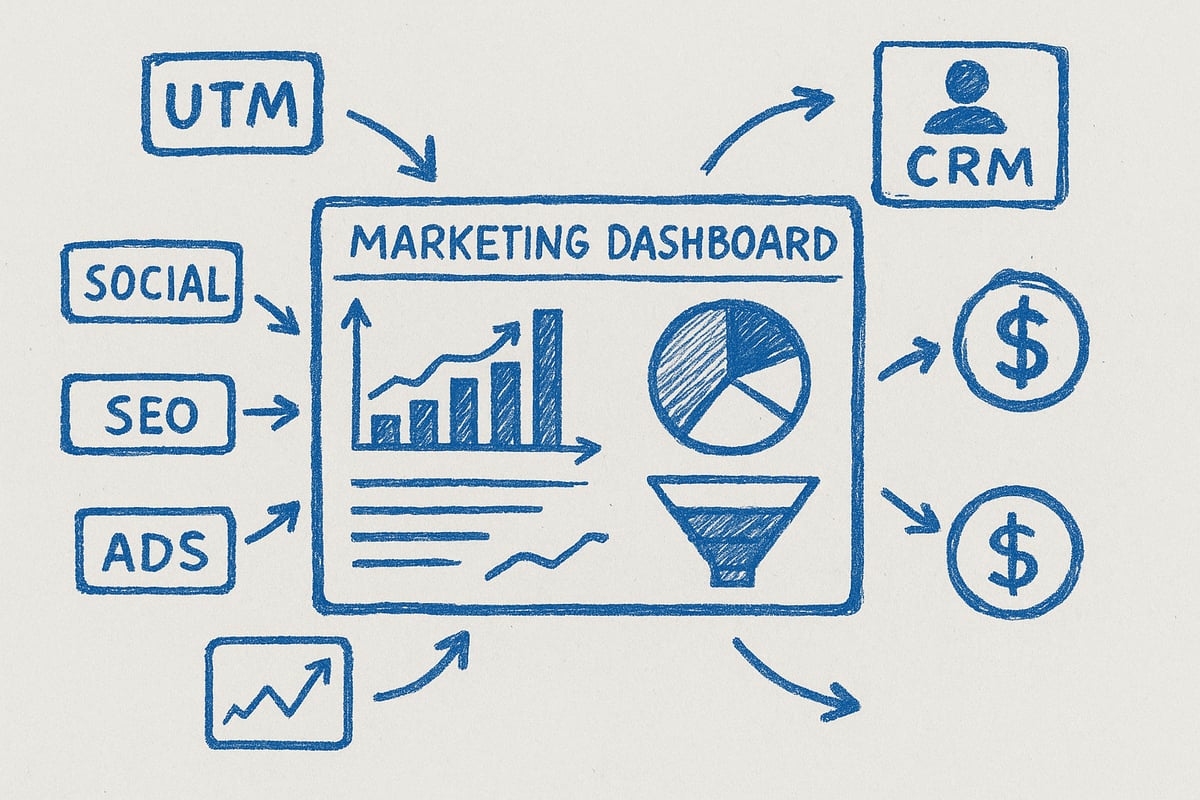
Tracking and measuring every lead generation source is essential for optimizing results. By using UTMs, CRM systems, and analytics tools, businesses can pinpoint which channels deliver the highest quality leads. Those leveraging analytics report a 20 percent higher conversion rate compared to those who do not.
Attribution models allow companies to allocate budget efficiently, focusing on the lead generation source that drives the greatest ROI. This data-first approach ensures your efforts are always targeted and effective.
Technology’s Role in Lead Generation
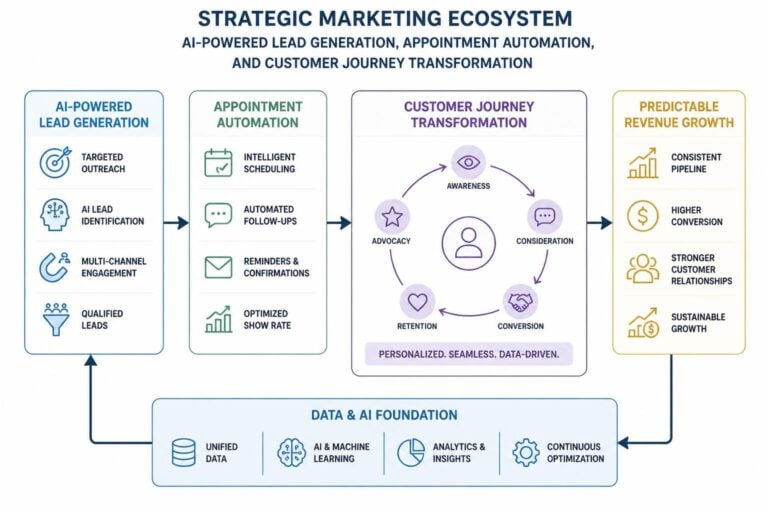
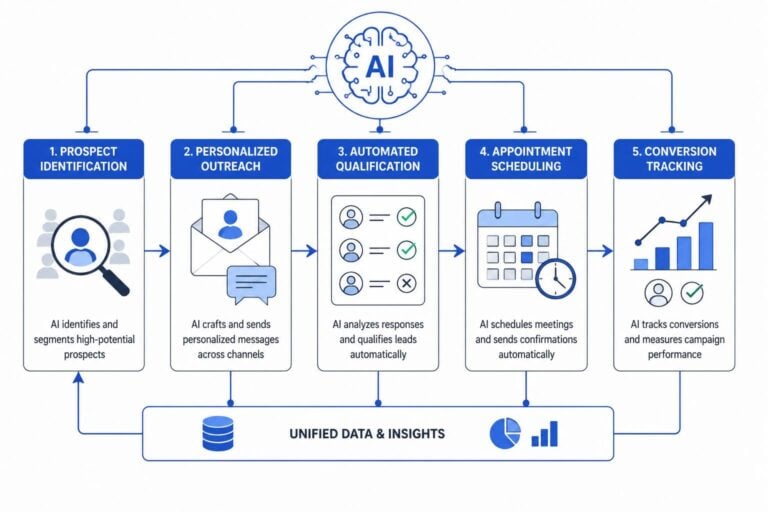
AI and automation are transforming the lead generation source landscape. Tools like Adstra help automate lead qualification, appointment-setting, and nurturing, freeing up your team to focus on high-value activities.
Integrating marketing, sales, and customer data into unified systems provides a holistic view of each lead generation source. This enables smarter, faster decisions and ensures seamless handoff between teams for a frictionless buyer journey.
Key Insights for 2025
To succeed in 2025, diversify your lead generation source portfolio. Relying on a single channel is risky as buyer preferences shift quickly. Personalization and delivering real value are your strongest differentiators.
Consistent testing and optimization are mandatory. The businesses that thrive will be those who adapt rapidly, experiment boldly, and make data-driven choices about every lead generation source they use.
7 Proven Lead Generation Source Ideas for 2025
Is your team searching for the next big lead generation source to fuel pipeline growth in 2025? The landscape has never been more dynamic, and the winners will be those who adapt early, diversify, and act on proven strategies. Let’s explore the seven lead generation source ideas that are already delivering results—and will only become more powerful in the coming year.
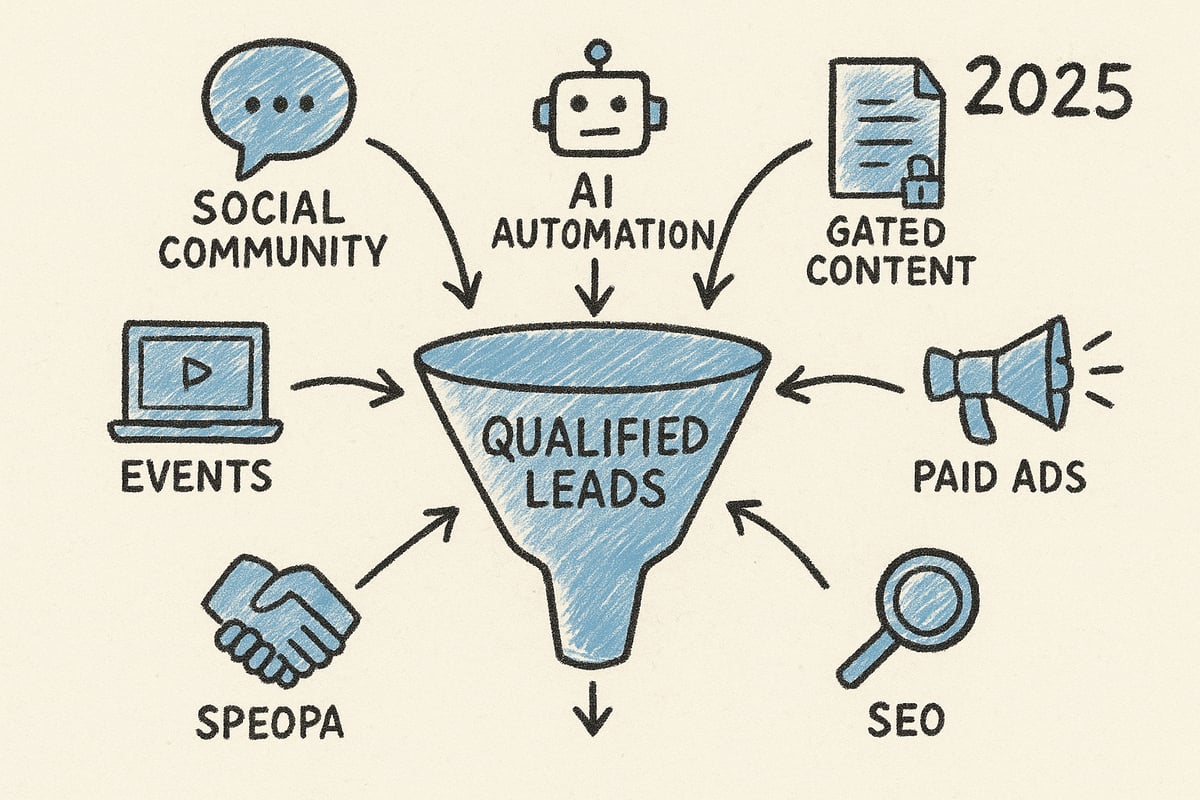
1. Social Media Engagement & Community Building
Social media isn’t just for brand awareness anymore—it’s a powerhouse lead generation source when approached strategically. In 2025, platforms like LinkedIn and Instagram, along with niche forums, are essential for capturing leads organically.
Start by building branded communities, such as LinkedIn Groups or Facebook Groups, where prospects can interact and learn. Share thought leadership, case studies, and interactive content to spark conversations and position your brand as an industry authority.
- Host live Q&As and webinars within these groups for real-time engagement.
- Use social listening tools to spot buying signals and join relevant discussions.
- Run targeted social ads and retargeting campaigns to capture interest.
Consider this: A B2B SaaS company recently attributed 45% of new leads to LinkedIn group activity alone. By nurturing prospects in a community setting, you create a warmer environment for conversion, turning every group into a high-quality lead generation source.
Don’t underestimate the power of social listening. These tools help you identify buyer intent, enabling you to tailor your messaging and approach each lead generation source with precision. Consistently engaging in conversations and offering value keeps your brand top of mind and your pipeline full.
2. AI-Powered Lead Generation & Automation Systems
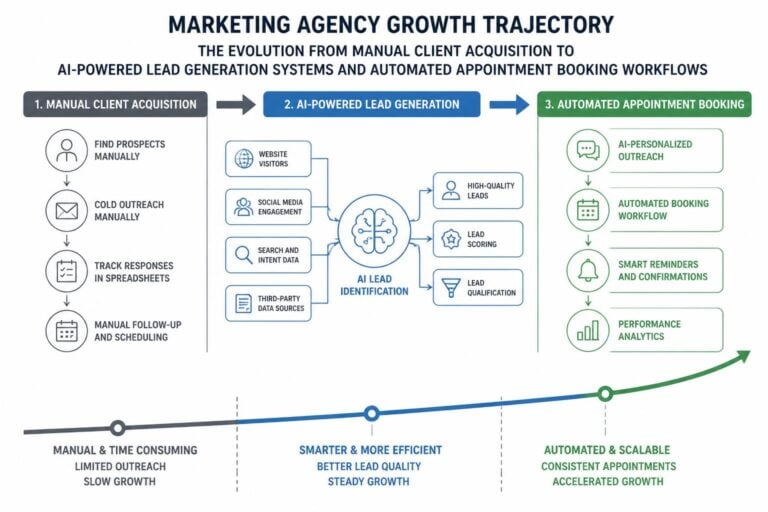
Artificial intelligence is redefining what’s possible for every lead generation source. AI tools automate qualification, scoring, and even appointment booking, freeing up your sales team to focus on closing deals.
Implement chatbots and virtual assistants on your website to engage visitors 24/7. These bots can answer questions, guide users, and collect contact details, instantly transforming site traffic into a reliable lead generation source.
- Personalize outreach using behavioral data and predictive analytics.
- Integrate AI with your CRM for seamless lead handoff to sales.
- Automate follow-ups and nurturing sequences to keep leads moving forward.
Businesses using AI-driven systems are reporting up to 3x higher conversion rates compared to manual processes. Automation ensures every lead generation source is followed up quickly, reducing response times and boosting satisfaction.
Compliance and data privacy are critical. Invest in advanced AI solutions that prioritize security, building trust with leads from the very first touchpoint. If you want to see what the top providers in this space are doing, check out the Top Lead Generation Companies for inspiration and potential partners.
3. Gated Content & Value-Driven Lead Magnets
High-value content is a classic lead generation source, but in 2025, it’s all about quality and interactivity. Offer eBooks, whitepapers, or industry toolkits in exchange for contact information. Interactive content—like quizzes, calculators, or assessments—can spark engagement and yield richer data.
- Segment gated content by buyer persona and funnel stage for sharper targeting.
- Use webinars and on-demand video series as compelling lead magnets.
- Develop multi-step opt-in funnels to qualify leads before sales gets involved.
Did you know that 60% of B2B marketers say webinars are their top lead generation tool? Webinars offer education, engagement, and conversion opportunities all in one package.
Promote your gated content across both paid and organic channels to maximize reach. By tailoring each asset to a specific audience, every piece becomes a more effective lead generation source, drawing in prospects ready to connect.
4. Referral, Review, and Partner Programs
Referrals remain a gold-standard lead generation source, delivering trust and high conversion rates. Structure customer referral programs with clear incentives and easy sharing mechanisms.
- Encourage and manage online reviews and testimonials to build credibility.
- Partner with complementary businesses for co-marketing and lead sharing.
- Leverage affiliate partnerships to tap into new audiences.
Referral leads convert 30% better than those from any other lead generation source, according to BrightLocal. Automate your referral tracking and reward fulfillment to make participation seamless.
Customer success stories and case studies aren’t just for marketing—they fuel word-of-mouth growth, turning every satisfied customer into a potential lead generation source. The more advocates you create, the more your pipeline grows organically.
5. Events, Webinars, and Virtual Experiences
Events have evolved into a digital-first lead generation source, offering new levels of engagement and scale. Host virtual summits, workshops, or roundtables to attract motivated prospects. Participate in industry conferences, both virtual and in-person, to network and capture leads.
- Create interactive experiences with polls and breakout rooms to boost participation.
- Use event follow-up sequences to nurture attendees into sales opportunities.
- Collaborate with influencers and experts to expand your reach.
Companies hosting webinars report 40% more qualified leads than those who don’t. Each event you run or attend is a multi-faceted lead generation source, providing live content, networking, and the chance to repurpose recordings as evergreen assets.
Keep your event strategy agile. Record sessions, turn them into gated content, and extend the lifespan of each lead generation source for months to come.
6. Search Engine Optimization (SEO) & Organic Traffic
SEO remains a foundational lead generation source, especially as buyers research independently before reaching out. Optimize your website and landing pages for high-intent industry keywords to attract ready-to-buy prospects.
- Publish in-depth, authoritative content that answers real buyer questions.
- Use schema markup and technical SEO for better visibility in 2025 SERPs.
- Build backlinks through guest posting and digital PR for higher rankings.
Consider this: 68% of online experiences start with a search engine, making SEO a non-negotiable lead generation source. Track keyword rankings and organic lead sources in your CRM to understand what’s working.
Don’t overlook local SEO if you operate appointment-based or service businesses. Appearing in local searches can transform your website into a powerful, always-on lead generation source.
7. Paid Advertising & Retargeting Campaigns
Paid ads are the fastest way to turn any channel into a scalable lead generation source. Run PPC campaigns on Google, LinkedIn, and Facebook to drive targeted traffic to your offers.
- Use lookalike and custom audiences for higher conversion rates.
- Set up retargeting ads to re-engage website visitors and recover abandoned leads.
- Continuously A/B test ad creatives, landing pages, and offers for optimization.
Retargeting alone can increase conversions by up to 70%, transforming past visitors into a valuable lead generation source. Attribution tracking ensures your ad spend is aligned with the highest-performing channels.
Compliance is critical, so always stay updated on ad policies and privacy regulations. By systematically refining your paid campaigns, you’ll turn every dollar into a predictable, high-quality lead generation source.
How to Track, Measure, and Optimize Your Lead Sources
Struggling to pinpoint which lead generation source actually delivers the best results? Accurate tracking is crucial if you want to scale what works and stop wasting budget on underperforming channels. Let’s break down how to measure and optimize every lead generation source so you can take control of your pipeline.
Start With Precise Tracking
The foundation of optimizing any lead generation source is precise attribution. Set up UTM parameters on every campaign link so you know exactly where each lead comes from.
Pair UTMs with tracking pixels for even deeper insight into user behavior. Feed this data into your CRM or lead management software to unify your reporting. According to Tracking SaaS Lead Generation, businesses that master attribution see 20 percent higher ROI—a game changer for any growth-focused team.
Table: Top Tools for Tracking Leads
| Tool Type | Example Platforms | Purpose |
|---|---|---|
| UTM Builders | Google Campaign URL | Link source attribution |
| Tracking Pixels | Meta Pixel, Google | Onsite behavior tracking |
| CRM Systems | HubSpot, Salesforce | Lead management, reporting |
| Analytics Dashboards | Google Analytics | KPI visualization, channel ROI |
Measure, Analyze, and Reallocate
Once you’re tracking every lead generation source, set up real-time dashboards to visualize performance. Monitor KPIs like conversion rate, cost per lead, and lead quality.
Regularly review which sources deliver the highest value. Don’t hesitate to reallocate your budget to double down on what works. When you spot a lead generation source underperforming, tweak or pause it and test a new approach.
Test and Continuously Improve
Optimization is ongoing. Run A/B tests on landing pages, email sequences, and ad creatives to see which variations drive better results from each lead generation source.
Gather feedback from your sales team on lead quality. Their insights will help you refine targeting and messaging, ensuring every lead generation source delivers real, qualified opportunities.
Stay Ahead With Data-Driven Reporting
Use advanced reporting tools to spot trends and emerging channels before your competitors do. Identify when a new lead generation source gains traction, then act fast to capture early mover advantage.
The companies that consistently review data, experiment boldly, and adapt their strategy are the ones that dominate lead generation source performance year after year.
Best Practices for Sustainable Lead Generation Growth
To future-proof your lead generation source strategy, you need to blend consistency with innovation. In 2025, the most successful brands are those who treat their lead generation source as a dynamic ecosystem, not a static checklist.
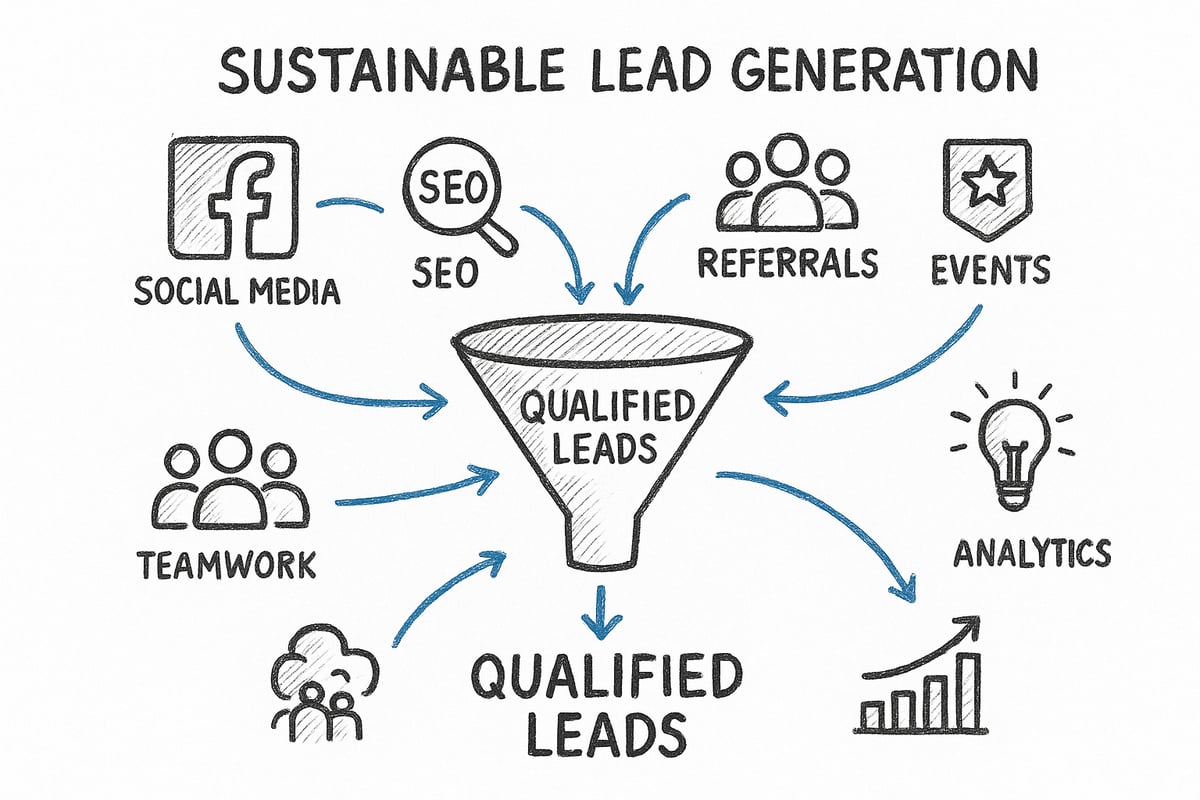
Here are essential best practices to ensure your lead generation source remains robust and sustainable:
- Diversify channels: Never rely on a single lead generation source. Explore new platforms and tactics regularly.
- Focus on quality: High-quality leads outperform high volume every time. Qualify and nurture leads for better ROI.
- Align teams: Marketing and sales must collaborate closely for smooth lead handoff and follow-up.
- Stay compliant: Monitor privacy laws like GDPR and CCPA. Always respect user consent.
- Upskill your team: Invest in ongoing learning to stay ahead of digital trends and tools.
- Test and optimize: Run A/B tests, review analytics, and adapt your approach based on performance data.
- Foster innovation: Encourage experimentation and update your playbook quarterly, as top-performing companies do.
For a deeper dive into evolving tactics, check out these Demand Generation Strategies that support a sustainable lead generation source.
By implementing these best practices, you build a resilient system that adapts as the market shifts. Prioritize learning, collaboration, and innovation to ensure your lead generation source keeps fueling your growth in 2025 and beyond.
You’ve just explored seven proven ways to fill your pipeline and drive growth in 2025, from building engaged communities to harnessing the latest AI tools. But if you’re serious about turning these insights into real, qualified leads and predictable revenue, why not get personalized advice tailored to your business? I’d love to help you map out a clear, actionable strategy that aligns with your goals—no guesswork, just results. Let’s talk about what’s working now and how you can get ahead of your competition.
Book a FREE Strategy Call
and let’s set you up for lead generation success this year.