As 2025 approaches, the race to achieve breakthrough marketing results is heating up faster than ever. The digital world is shifting, and only those ready to adapt will stand out.
This essential guide arms you with a proven roadmap for mastering marketing results in 2025. You will discover the latest strategies, tools, and insider insights to transform your efforts into measurable wins.
Get ready to unlock the secrets behind industry shifts, data-driven trends, and actionable frameworks. Whether you are a marketer or a business leader, you will learn how to optimize campaigns, measure outcomes, and maximize ROI in a changing landscape.
Let’s dive in and turn your marketing results into your biggest competitive advantage.
Marketing Results in 2025: Trends & Challenges
As we approach 2025, the race for superior marketing results is more competitive than ever. The digital landscape is shifting rapidly, demanding that marketers adapt or get left behind. Understanding these changes is key to staying ahead and driving measurable growth.
The Evolving Digital Landscape
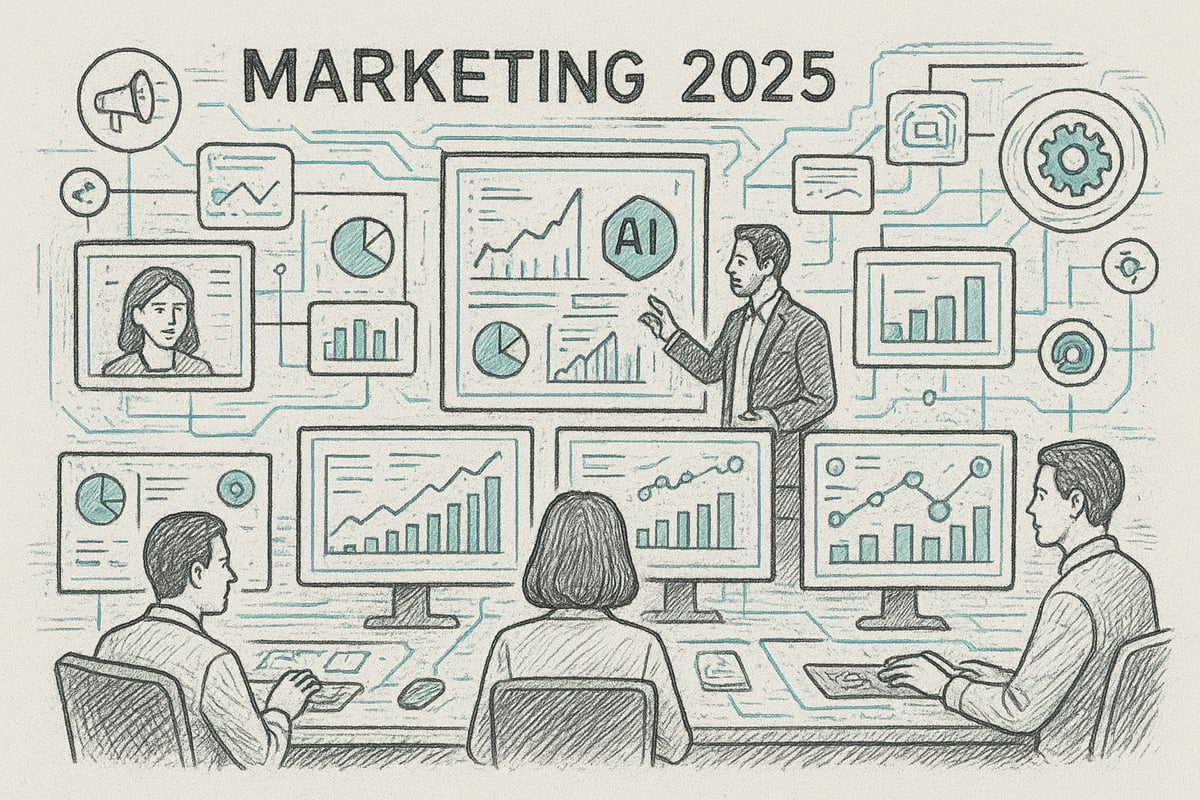
The foundation of marketing results in 2025 is built on relentless digital innovation. Artificial intelligence and automation are rapidly transforming how brands connect with audiences. Marketers now rely on real-time data to shape every campaign, making data-driven decision-making the new norm.
At the same time, privacy regulations are tightening. New global standards require marketers to rethink data collection and consent policies to maintain trust and compliance. The rise of omnichannel strategies means every customer touchpoint, online and offline, must feel seamless and connected.
Personalization is no longer a bonus, it is expected. Audiences demand tailored experiences that reflect their preferences, increasing the pressure to deliver value at every interaction. Marketers who harness these forces will see stronger marketing results and lasting customer loyalty.
Key Marketing Trends for 2025
Several trends are set to define marketing results in 2025. Video and interactive content continue to dominate. According to Cisco, 82% of all internet traffic is now video-related, making it essential for brands looking to capture attention.
Voice and visual search are expanding rapidly, changing how consumers discover products and services. Social commerce is also accelerating, with major platforms integrating e-commerce features for a frictionless buying journey. Influencer marketing is evolving too, with brands favoring micro-influencers who bring authenticity and niche engagement.
For a deeper dive into the future, explore this Future marketing trends analysis to see how emerging technology and consumer expectations will shape marketing results in the years ahead.
Top Challenges Marketers Face
With new opportunities come new obstacles. Attribution is more complex than ever, as multi-touch environments make it difficult to pinpoint which channels drive marketing results. Ad fatigue is rising, with consumers tuning out repetitive messages and engagement rates declining.
The phase-out of third-party cookies is forcing marketers to rethink tracking and targeting strategies. Automation tools offer efficiency, but balancing these with genuine human connection remains a challenge. Brands must find ways to automate without losing the personal touch that drives trust and conversion.
Here are the top challenges summarized:
| Challenge | Impact on Marketing Results |
|---|---|
| Attribution Complexity | Difficult to measure true ROI |
| Ad Fatigue | Lower engagement, higher costs |
| Cookie Deprecation | Loss of traditional tracking methods |
| Automation vs. Human Touch | Risk of impersonal customer journeys |
Industry Data & Examples
Industry data underscores the urgency to adapt. Salesforce reports that 72% of marketers plan to increase their AI investment in the coming year. This reflects the growing reliance on advanced technology to drive marketing results.
Brand X, for example, saw a 30% lift in ROI after adopting omnichannel analytics, proving the value of integrated measurement. In retail, augmented reality is enabling customers to visualize products before buying, driving higher engagement and conversion.
These examples highlight a clear trend: organizations that embrace innovation and data-driven strategies consistently achieve stronger marketing results. Staying informed and agile will be the difference between leading and lagging in 2025.
Setting SMART Marketing Goals and KPIs for 2025
Setting the stage for breakthrough marketing results in 2025 begins with clear, actionable objectives. The pace of change in digital marketing makes it more critical than ever to align your goals with broader business outcomes. Without a focused approach, even the most creative campaigns can fall short. Let’s dive into how you can set the right targets and measure what truly matters.
Defining Results-Driven Objectives
To achieve exceptional marketing results, start by aligning your marketing goals with your company’s core business objectives. This ensures every campaign, experiment, and tactic ladders up to measurable business impact.
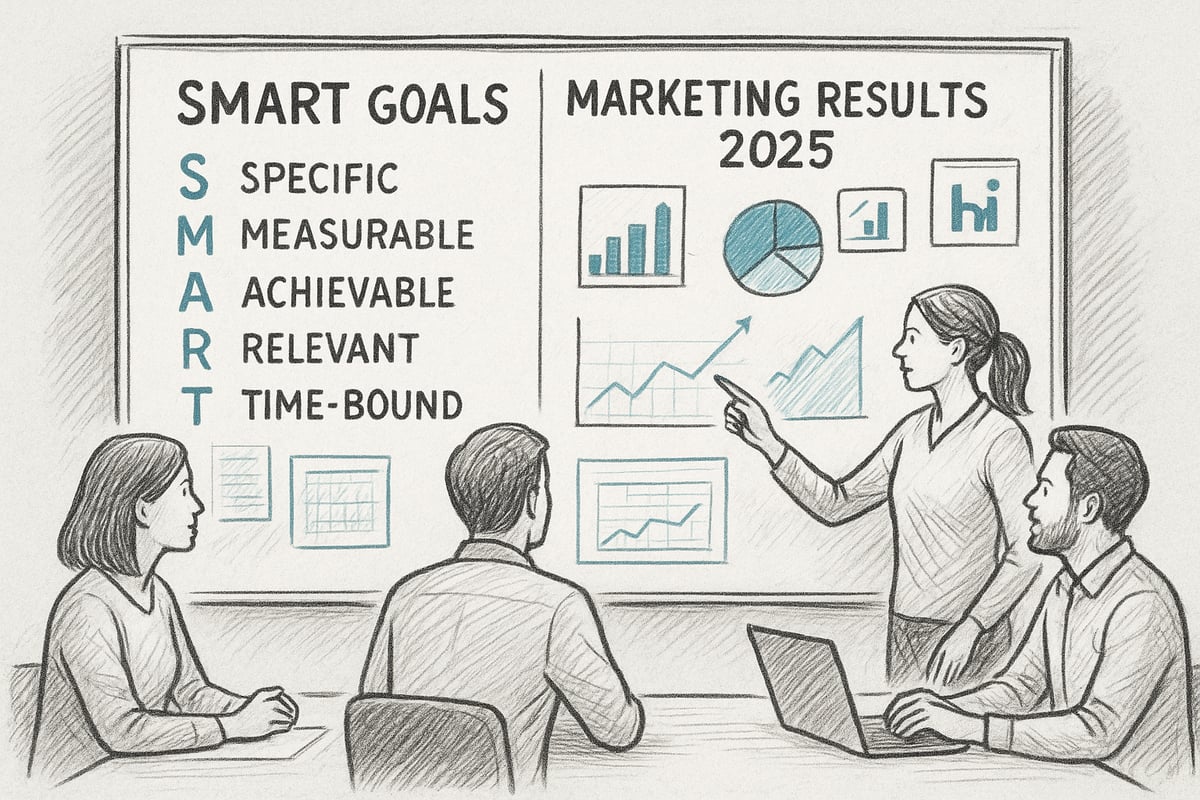
Use the SMART framework to make your goals Specific, Measurable, Achievable, Relevant, and Time-bound. For example, rather than vaguely aiming to “increase leads,” set a goal to “increase qualified leads by 25% in Q1 2025.” This clarity drives accountability and sharpens focus.
Ask yourself: Is your goal concrete? Can you track progress? Does it stretch your team but remain realistic? Will it matter to the business in 12 months? By grounding your objectives in SMART principles, you create a foundation for meaningful marketing results and set your team up for success.
Selecting and Refining KPIs
Once your objectives are set, it’s time to identify the right KPIs that reflect true marketing results. Avoid falling into the vanity metric trap—likes, shares, and impressions rarely tell the full story. Instead, focus on actionable KPIs such as Customer Acquisition Cost (CAC), Customer Lifetime Value (CLV), conversion rates, and lead quality.
Benchmark your KPIs against industry standards to ensure your targets are ambitious yet realistic. Compare your current performance with competitors and market leaders to spot opportunities for improvement.
A quick reference table can help clarify which KPIs matter most:
| KPI | Why It Matters |
|---|---|
| CAC | Measures cost-efficiency |
| CLV | Shows long-term value |
| Conversion Rate | Tracks effectiveness |
| Lead Quality Score | Ensures relevance |
Refining your KPIs this way ensures that every metric you track contributes directly to better marketing results.
Step-by-Step Goal Setting Process
A proven process is essential for setting and achieving your marketing results goals. Begin by aligning with stakeholders—get buy-in from leadership, sales, and any team affected by your targets.
Next, establish baseline metrics. Where are you now? Use historical data to forecast what’s realistic. Define stretch targets that push performance without setting the team up for failure.
Create structures for accountability. Assign owners to each goal, and set up regular review cycles—monthly or quarterly—to monitor progress. Make adjustments as needed, based on what the data shows.
By following this disciplined process, you turn lofty goals into actionable steps that drive marketing results, even as the landscape evolves.
Tools & Templates
Choosing the right tools is crucial for tracking your marketing results efficiently. Google Analytics 4, HubSpot, and Tableau are industry favorites for real-time KPI monitoring, data visualization, and reporting.
Templates can keep your team organized and focused. Set up a KPI dashboard template that displays performance at a glance. Use automated alerts to flag when metrics drift off track.
For more advanced tracking, explore resources like this marketing analytics and attribution guide to connect your goals with deeper insights and revenue impact.
Empower your team with the right mix of tools and templates, and you’ll be ready to achieve standout marketing results in 2025.
Mastering Measurement: Advanced Analytics & Attribution Models
Unlocking the full potential of your marketing results in 2025 starts with sharp measurement and analytics. As digital marketing grows more complex, advanced analytics and attribution models are not just nice to have—they are essential for sustainable growth.
The New Era of Marketing Analytics
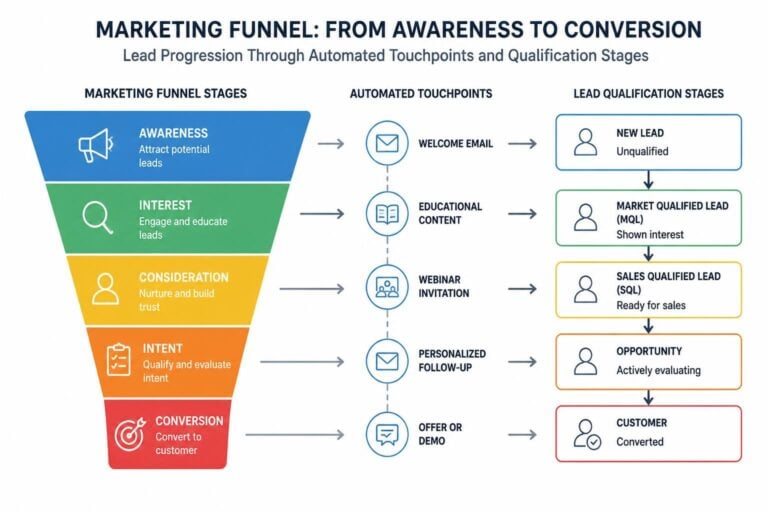
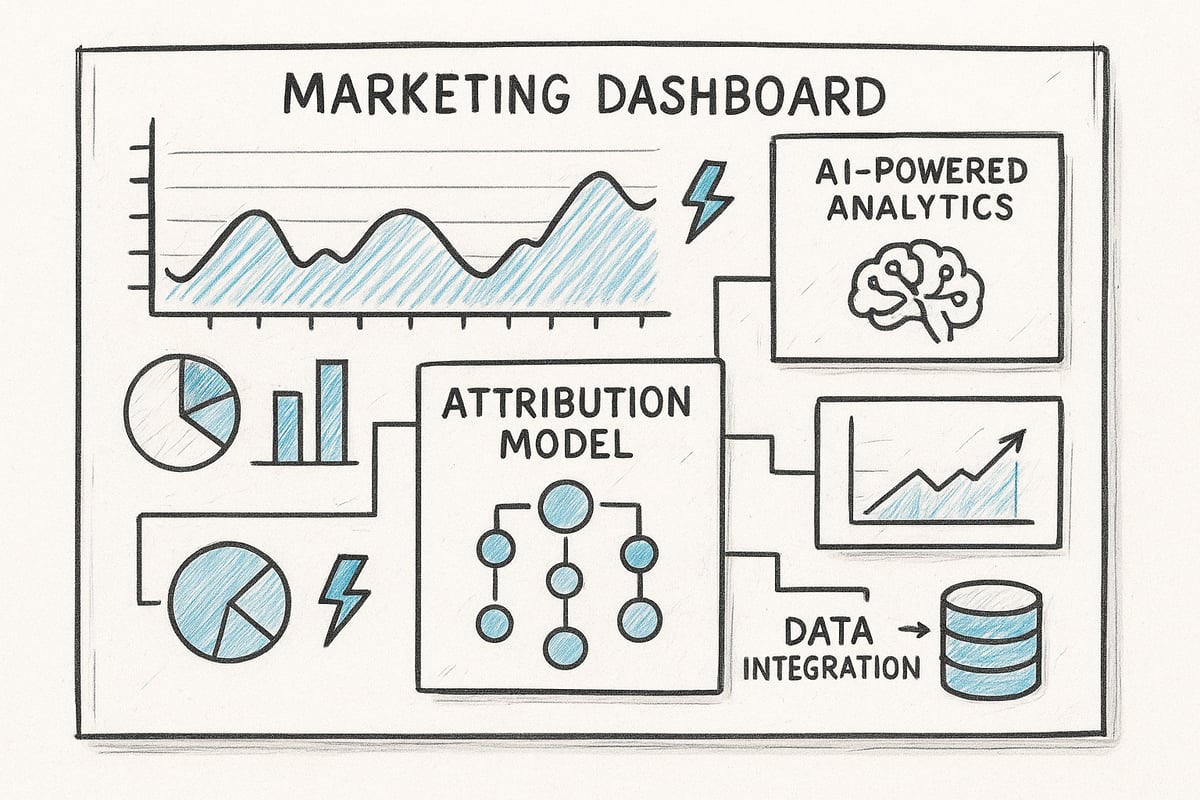
The field of marketing analytics has changed dramatically. Gone are the days of relying on last-click data. Today, multi-touch attribution is the new standard, tracking every interaction a customer has with your brand. This shift enables marketers to see the full journey and understand which efforts truly drive marketing results.
Integrating online and offline data sources is now crucial. By merging CRM, social, web, and in-store interactions, teams gain holistic insights that fuel real-time decision making. Predictive modeling is also gaining traction, helping forecast campaign outcomes before launch.
To stay ahead, marketers must embrace tools that provide up-to-the-minute reporting. Real-time analytics platforms empower you to adjust strategies instantly, ensuring marketing results remain strong and responsive to shifting market dynamics.
Choosing the Right Attribution Model
Selecting the best attribution model can make or break your marketing results. With customers interacting across multiple channels, the path to purchase is rarely linear. Here’s how leading models compare:
| Model | Description | Best For | Drawback |
|---|---|---|---|
| First-touch | Credits first interaction | Awareness campaigns | Ignores later touchpoints |
| Last-touch | Credits final conversion step | Simple journeys | Misses early influence |
| Linear | Equal credit to all | Long, multi-touch paths | Lacks nuance |
| Time decay | More credit to recent steps | Short sales cycles | Undervalues early steps |
| Data-driven | Uses actual data patterns | Complex, high-volume data | Requires advanced tools |
The right fit depends on your business model and customer journey. For most, data-driven or linear models provide a balanced view, helping optimize spend and improve marketing results.
Leveraging AI and Machine Learning
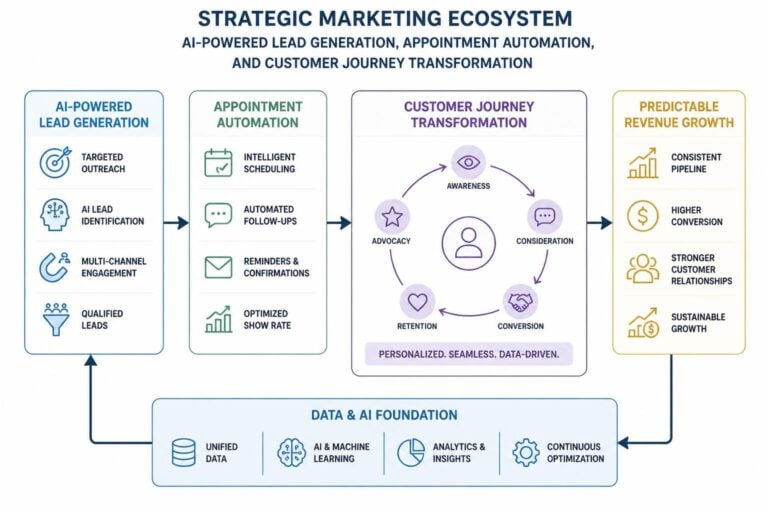
AI and machine learning are transforming how organizations measure and improve marketing results. These technologies enable marketers to segment audiences with greater precision, personalize experiences at scale, and predict campaign performance with remarkable accuracy.
AI-powered analytics can uncover hidden trends, automate reporting, and even suggest next-best actions. For example, some brands use machine learning to predict churn and proactively tailor retention campaigns—significantly boosting marketing results.
If you want practical strategies for using AI to drive marketing results, check out this guide on AI for marketing results.
Overcoming Measurement Challenges
Despite the advancements, marketers face real obstacles when striving for accurate marketing results measurement:
- Data silos that prevent a unified customer view
- Integration issues between legacy and modern tools
- Privacy regulations that limit data availability
Navigating these challenges requires investment in unified analytics platforms and a strong focus on data quality. According to HubSpot, 68% of marketers struggle with attribution accuracy, highlighting the need for robust solutions.
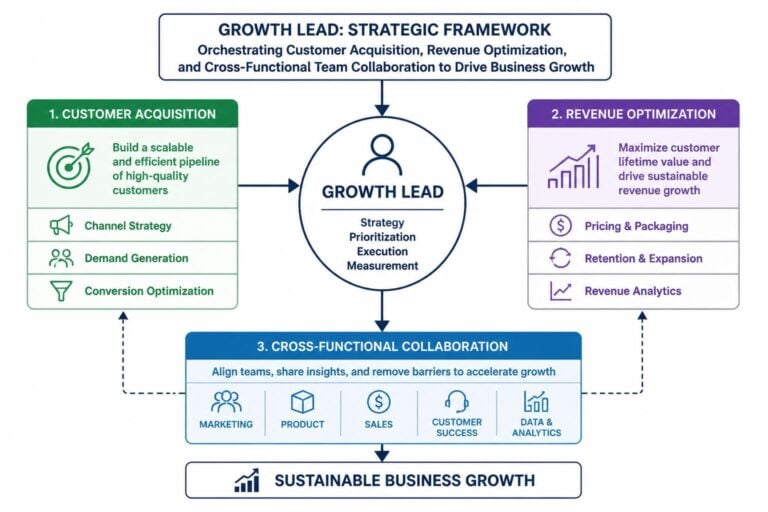
Building cross-functional teams can also help bridge gaps, ensuring everyone works toward the same marketing results and measurement goals.
Actionable Analytics Frameworks
To master measurement and drive superior marketing results, implement actionable analytics frameworks:
- Set up real-time dashboards for instant insights
- Use feedback loops to refine campaigns continuously
- Benchmark performance against industry standards
A SaaS company, for example, increased campaign efficiency by 40% after switching to a data-driven attribution model and actionable reporting. By making analytics accessible and actionable, your team can scale success, learn faster, and achieve standout marketing results in 2025.
Step-by-Step Framework to Achieve Outstanding Marketing Results
Achieving exceptional marketing results in 2025 demands a clear, strategic approach. This step-by-step framework empowers you to navigate the evolving landscape, maximize ROI, and future-proof your campaigns. Ready to turn insights into action? Here’s how to put your plan into motion.
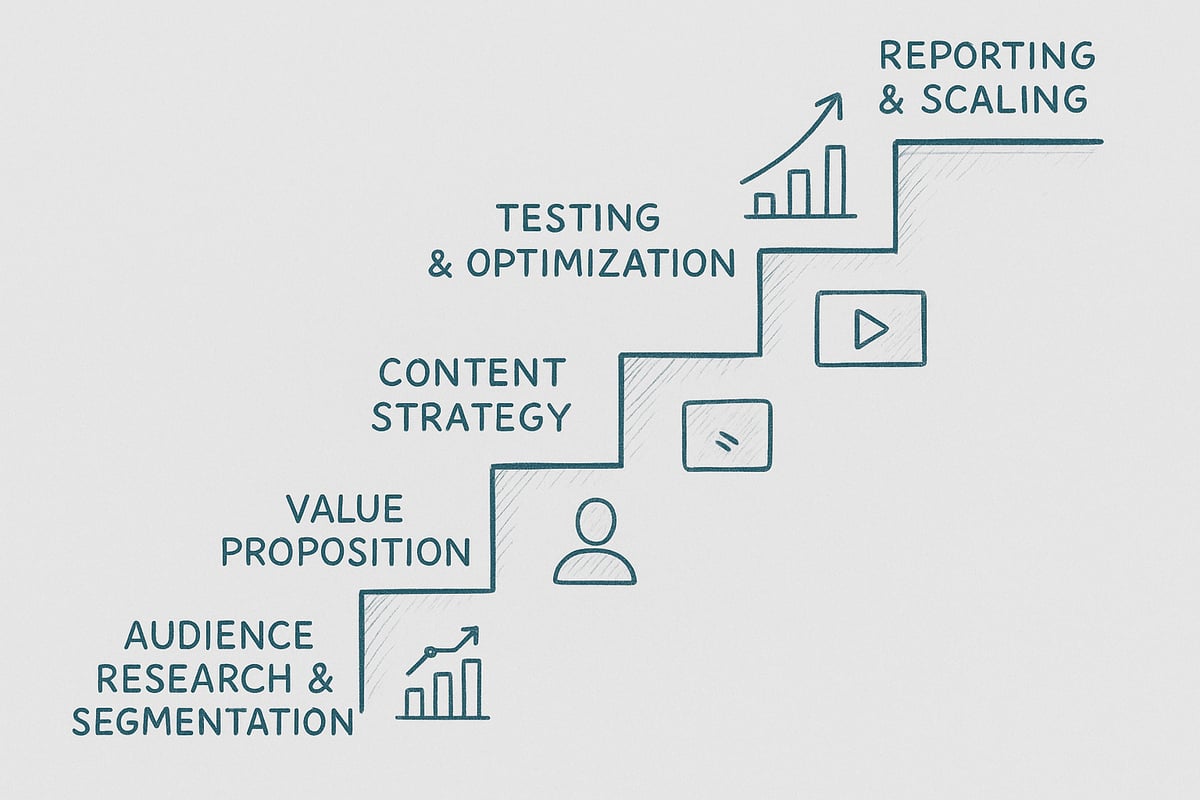
Step 1: Audience Research & Segmentation
Success starts with knowing your audience inside-out. Use first-party and zero-party data to uncover motivations, pain points, and behaviors. Build detailed buyer personas for each segment, considering both demographic and psychographic insights.
Segmenting B2B versus B2C audiences unlocks more personalized messaging, driving stronger marketing results. For example, B2B buyers may prioritize ROI and efficiency, while B2C shoppers seek emotional resonance and convenience.
Not sure where to start? Explore this market research for campaigns resource for a proven methodology that has powered hundreds of profitable strategies. Getting segmentation right sets the foundation for all other steps to deliver measurable marketing results.
Step 2: Crafting Compelling Value Propositions
Your value proposition is your brand’s north star. In crowded markets, you must cut through noise with messaging that is relevant, specific, and emotionally resonant. Identify what makes your solution unique — not just features, but the benefits customers truly care about.
Use proven messaging frameworks to clarify your promise. For example, a DTC brand might leverage emotional storytelling to spark virality, while a SaaS company could emphasize time-saving automation. The right value proposition ensures your marketing results stand out and drive action.
Step 3: Channel Selection & Omnichannel Execution
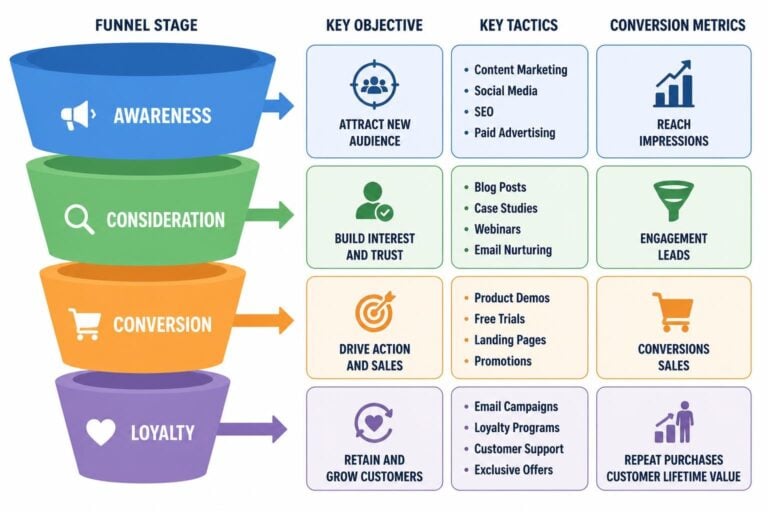
Choosing the right mix of channels is crucial for maximizing marketing results. Evaluate digital and traditional platforms based on where your audience spends time and how they engage. Consistency across channels builds trust and increases conversion rates.
| Channel Type | Strengths | When to Use |
|---|---|---|
| Social Media | High engagement, viral potential | Brand building, awareness |
| Email Marketing | Personalization, automation | Nurturing, retention |
| Paid Search | Intent-driven, measurable | Lead gen, sales |
| Events/Offline | Personal connection | B2B, high-ticket sales |
According to Omnisend, companies using 3+ channels see a 287% higher purchase rate. Coordinating efforts across platforms ensures your audience receives a seamless journey, accelerating marketing results.
Step 4: Creative & Content Strategy
Content is the engine driving marketing results in 2025. Leverage video, interactive formats, and user-generated content to boost engagement. Repurpose core assets—turn a webinar into bite-sized clips, infographics, or blog posts—to extend your reach.
Consider these winning approaches:
- Launch interactive webinars for real-time engagement.
- Invite customers to share testimonials or product demos.
- Use short-form videos to capture attention on social platforms.
A SaaS company, for instance, saw a 5x engagement increase after pivoting to interactive webinars. The right creative mix fuels sustained marketing results.
Step 5: Campaign Launch, Testing, and Optimization
Launch campaigns with a test-and-learn mindset. Set up A/B and multivariate tests to compare headlines, creatives, and offers. Use real-time feedback to iterate quickly, doubling down on what works and eliminating what doesn’t.
Rapid optimization is key. A retailer achieved a 20% lift in conversions by running frequent, small-scale experiments and acting on insights immediately. This relentless focus on improvement is what drives breakthrough marketing results.
Step 6: Reporting, Learning, and Scaling Success
Build structured feedback loops to measure, learn, and scale what works. Use dashboards to track KPIs in real time and hold regular review sessions with your team. Document learnings and share best practices across campaigns.
Scaling successful tactics multiplies your impact. According to Adobe, 61% of high-performing marketers prioritize ongoing learning. This commitment to continuous improvement cements long-term marketing results and keeps your brand ahead of the curve.
AI-Driven Marketing: Harnessing Automation & Predictive Insights
Artificial intelligence is redefining how brands achieve breakthrough marketing results. With AI, marketers can automate complex processes, predict customer behavior, and personalize campaigns at scale. As we move into 2025, understanding the strategic integration of AI is essential for anyone aiming to stay ahead of the curve in marketing results.
The Role of AI in Marketing Results
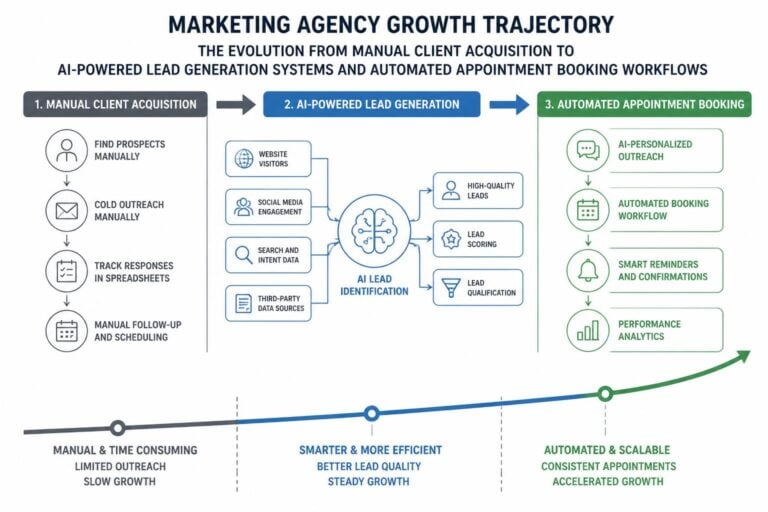
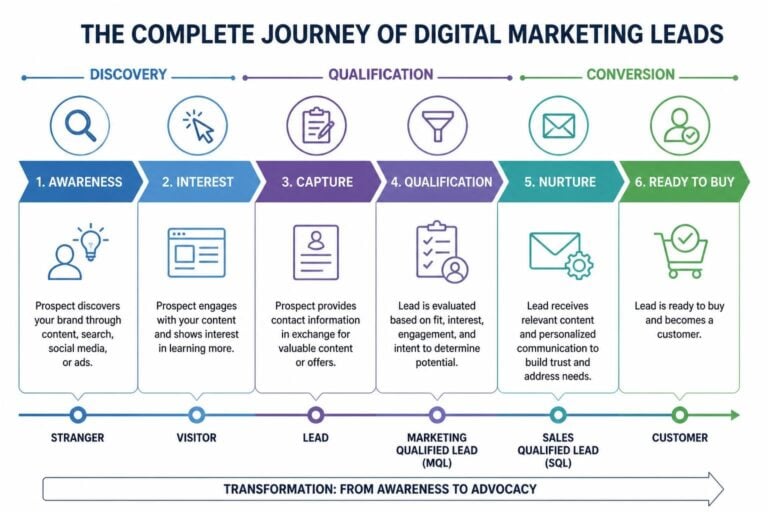
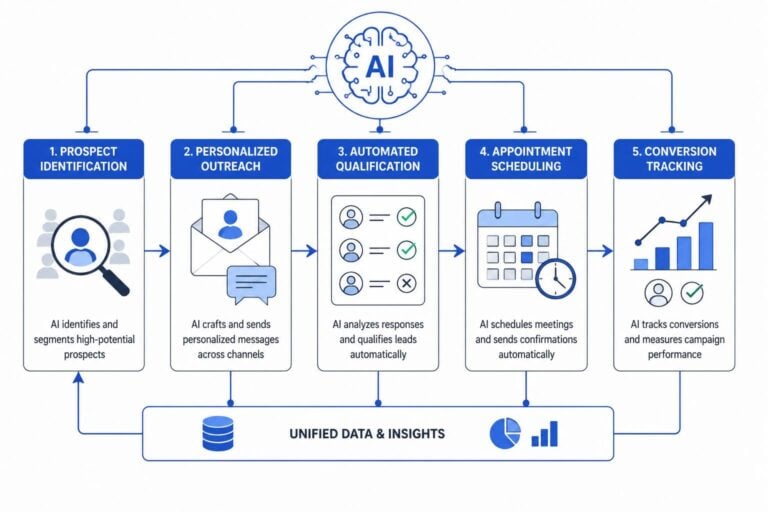
AI is now at the core of driving efficient, data-backed marketing results. Automation enables teams to streamline lead generation, segment audiences, and nurture prospects with minimal manual intervention. Predictive analytics help marketers forecast trends, optimize spend, and target high-intent audiences more effectively.
Personalization is another game-changer. AI tailors content and product recommendations in real time, ensuring every touchpoint resonates with individual preferences. This shift from generic campaigns to hyper-personalized experiences is key for boosting engagement and ROI.
Implementing AI Tools and Platforms
To fully harness AI for marketing results, brands need the right tech stack. Leading platforms like Salesforce Einstein and Adobe Sensei offer advanced automation, analytics, and personalization features. Integrating these with existing CRM and marketing automation systems unlocks even deeper insights and seamless workflows.
Adoption of generative AI is accelerating, transforming how teams create content and engage consumers. According to Generative AI in marketing, marketers are leveraging these tools to produce compelling copy, visuals, and even video, reducing production time and enhancing creativity.
Real-World Examples & Data
The impact of AI on marketing results is clear. Companies using AI see a 41% higher revenue growth rate, underscoring the tangible benefits of intelligent automation. For example, one e-commerce brand cut acquisition costs by 35% after deploying AI-driven bidding strategies.
AI’s influence extends to web traffic as well. Recent findings show a significant surge in AI-driven web referrals growth, highlighting how AI-powered recommendations and targeting are driving more qualified visitors to brand sites.
Future Outlook: AI Trends for 2025
Looking ahead, AI will play an even larger role in marketing results. Conversational AI and chatbots will transform customer engagement, offering instant, personalized support. Predictive analytics will refine campaign targeting, helping marketers allocate budgets with greater precision.
Ethical use of AI is also gaining prominence. Transparency and responsible data usage will be critical as brands build trust with increasingly savvy audiences. By embracing AI responsibly, marketers can ensure sustainable growth and stay at the forefront of innovation in 2025.
Maximizing ROI: Budgeting, Resource Allocation, and Team Enablement
Staying ahead in the pursuit of marketing results means investing smarter, not just spending more. As budgets tighten and competition intensifies, marketers must rethink how they allocate resources to maximize every dollar. Let’s break down how to build a resilient strategy for 2025 that delivers measurable marketing results, boosts ROI, and empowers your team for long-term growth.
Building a Future-Proof Marketing Budget
Creating a future-proof budget starts by analyzing which channels truly drive marketing results. The shift from traditional to digital is accelerating, with digital advertising growth statistics revealing that digital spend will outpace offline for the foreseeable future.
To maximize ROI:
- Prioritize high-performing channels using recent campaign data.
- Allocate a portion (typically 10–20%) for testing new platforms and technologies.
- Reevaluate spend quarterly to adapt to shifting consumer behaviors.
Balancing proven tactics with innovation ensures your marketing results stay ahead of industry changes.
Resource Planning & Team Structure
Maximizing marketing results in 2025 requires more than just a budget. Upskilling your team in analytics, AI, and creative collaboration is essential. Cross-functional teams—combining data analysts, creatives, and strategists—enable agile responses to market trends.
Consider these approaches:
- Invest in ongoing training for emerging tools and methodologies.
- Foster collaboration across departments to break down silos.
- Adopt flexible team models that scale with campaign needs.
Empowered teams deliver better marketing results, driving both efficiency and innovation.
Partnering for Growth: Agencies, Tech, and Outsourcing
Knowing when to leverage external partners can amplify your marketing results. Agencies offer expertise and scalability, while in-house teams provide brand consistency and control.
Compare your options:
| Approach | Pros | Cons |
|---|---|---|
| In-House | Brand depth, quick pivots | Limited bandwidth |
| Agency | Niche expertise, resources | Less control, higher cost |
| Hybrid/Outsource | Flexibility, cost savings | Coordination complexity |
Evaluate partners based on performance metrics and alignment with your marketing results objectives. Regularly review contracts to ensure value.
Ensuring Accountability and Transparency
Transparent reporting structures are the backbone of maximizing marketing results. With 54% of CMOs prioritizing transparency, clarity in goals, KPIs, and performance reviews is non-negotiable.
Key steps:
- Establish clear success metrics for every initiative.
- Use centralized dashboards for real-time visibility.
- Hold regular review meetings to keep stakeholders aligned.
This culture of accountability ensures your marketing results are measurable and repeatable.
Sustainability & Long-Term Value Creation
Maximizing ROI isn’t just about short-term wins. Invest in initiatives that build brand equity and foster customer loyalty, driving sustainable marketing results.
Effective strategies include:
- Launching loyalty programs to increase customer lifetime value (CLV).
- Prioritizing retention over acquisition for cost efficiency.
- Measuring long-term impact, not just immediate conversions.
For example, one B2B company saw a three-year CLV surge by focusing on relationship-driven marketing results, proving that sustainable growth pays off.
You’ve just seen how mastering marketing in 2025 means more than just knowing the latest trends—it’s about using smart strategies, real data, and AI-powered systems to actually grow your business. If you’re ready to turn those insights into real results and want a plan tailored to your goals, why not take the next step with some expert guidance We’ve helped businesses transform cold leads into loyal customers and drive predictable growth—even in fast-changing markets. Let’s make 2025 your breakthrough year—Book a FREE Strategy Call and see how we can align on your success together.