
In 2025, the race to capture marketing leads is tougher than ever. Businesses face a fast-changing digital world, while consumers demand more from every brand they connect with.
To stand out, you need to master the latest strategies, tools, and best practices. This guide is here to help you generate, nurture, and convert leads in ways that work now.
Inside, you'll discover how the very idea of a marketing lead has evolved, what new tactics drive real results, and why AI and multichannel approaches are game changers. We’ll show you how to measure what matters and prepare for the trends shaping tomorrow.
Ready to boost your lead quality and conversion rates? Let’s dive in and unlock your competitive edge for 2025.
Understanding Marketing Leads in 2025
The landscape for marketing leads is shifting fast in 2025. Gone are the days when a simple email address would count as a valuable lead. Today, businesses recognize that quality beats quantity. To win in this environment, marketers must understand the new rules of engagement and adapt to a more complex, intent-driven approach.
The Evolving Definition of a Marketing Lead
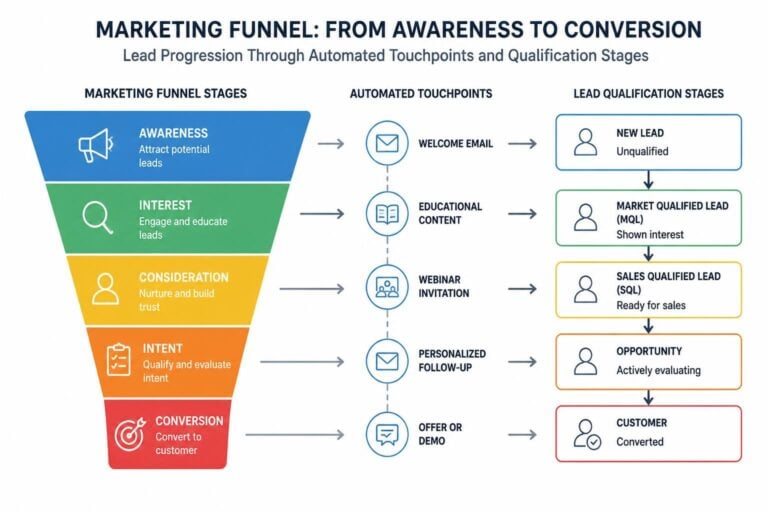
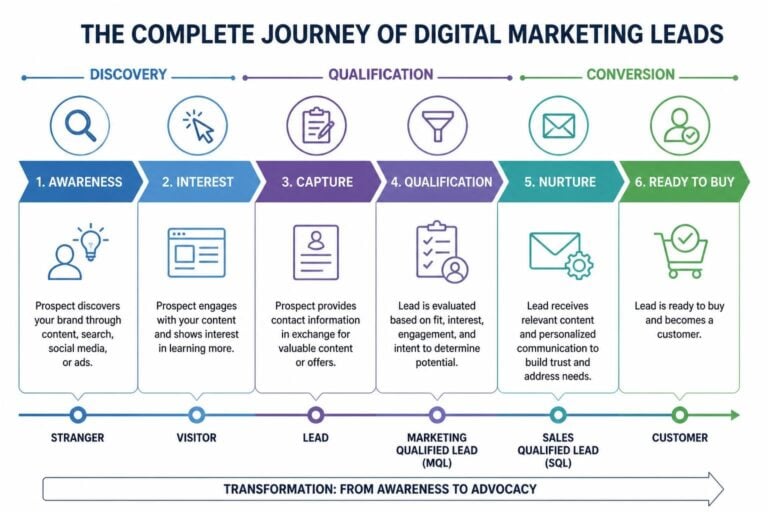
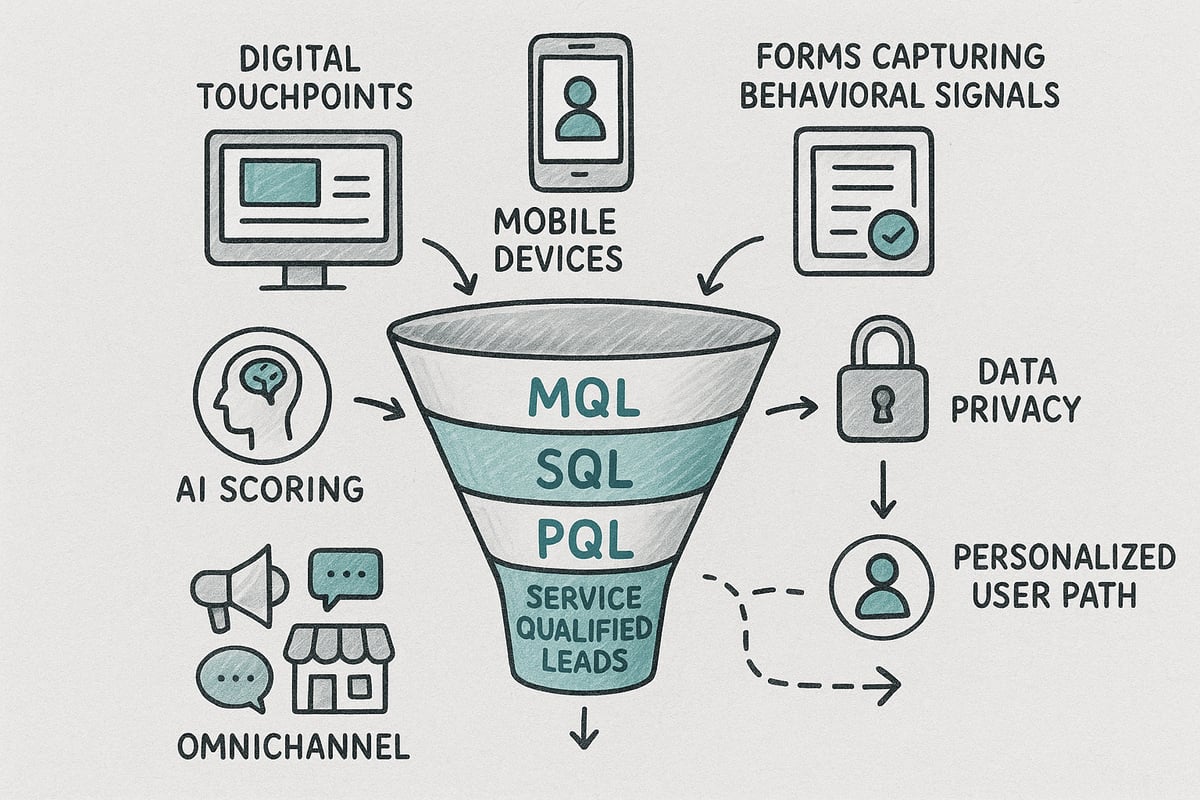
In 2025, the definition of marketing leads has become more sophisticated. Rather than just collecting contact details, businesses now seek nuanced profiles that reflect genuine buying intent. Lead types have expanded to include:
| Lead Type | Description | Example Action |
|---|---|---|
| MQL (Marketing Qualified) | Engaged with marketing content, not ready for sales | Downloaded an eBook |
| SQL (Sales Qualified) | Ready for direct sales contact | Requested a demo |
| PQL (Product Qualified) | Used a product feature, showing serious interest | Tried a free tool |
| Service Qualified | Expressed interest in a specific service | Asked for a quote |
Modern lead forms now capture behavioral data like time spent on site, resources viewed, and engagement patterns, not just email addresses. This shift helps teams focus on high-intent marketing leads instead of chasing every contact.
It's not just about collecting more data, though. The average organic cost per lead is now $409.07, so targeting only the most promising marketing leads is vital for ROI. With privacy regulations tightening, marketers increasingly rely on zero-party data, where users willingly share their preferences in exchange for value.
Each lead type requires personalized nurturing. For example, an MQL might receive educational content, while a SQL gets a sales call. Treating every marketing lead as unique is the key to higher conversions.
The Buyer’s Journey Has Changed
The buyer's journey for marketing leads is now a dynamic, multi-touch process. Digital touchpoints have multiplied, with prospects interacting across mobile, web, email, and social channels before ever speaking to sales.
Omnichannel experiences are now the norm. Customers expect seamless transitions between devices and channels. For instance, insurance quote forms adapt their questions based on user responses, personalizing the path for each visitor.
Customer experience (CX) plays a huge role in qualifying marketing leads. A smooth, relevant journey builds trust and motivates users to share more information. Brands that prioritize CX see higher engagement and better lead quality.
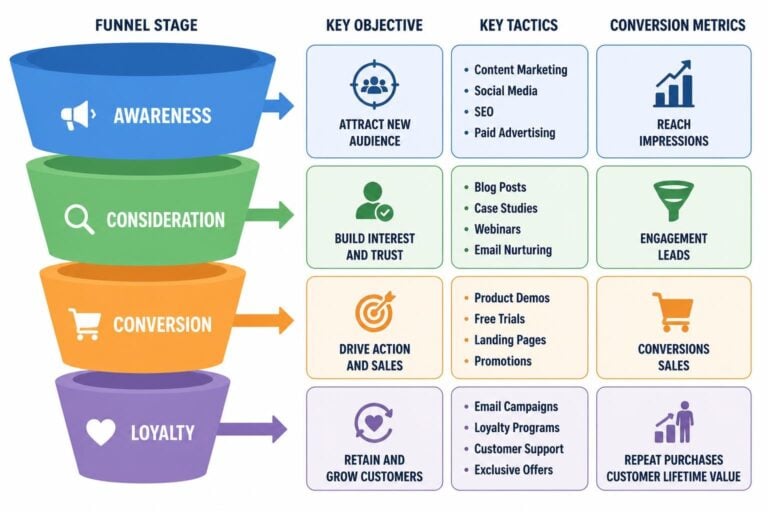
Lifecycle stages are more granular, with marketing leads moving back and forth between awareness, consideration, and decision. Marketers must map these journeys and deliver the right message at each stage.
Understanding this complexity is crucial. Businesses that fail to adapt risk losing marketing leads to competitors who offer a more tailored experience.
Identifying High-Intent Leads
Spotting high-intent marketing leads requires a blend of behavioral analysis and technology. Key signals include:
- Downloading whitepapers or case studies
- Signing up for webinars or demos
- Repeated visits to pricing or product pages
- Engaging with chatbots or requesting quotes
AI and analytics tools now play a central role in scoring and prioritizing marketing leads. For example, AI-powered lead scoring systems can analyze patterns and flag which prospects are likely to convert soon. According to recent research, AI-powered lead scoring boosts conversion rates by 35–50%, making it an essential tool for modern marketers.
The most effective teams combine automated scoring with human insight. While algorithms can surface ready-to-buy marketing leads, personal outreach still matters for complex sales.
In 2025, success hinges on identifying the right marketing leads and engaging them at precisely the right moment.
Proven Strategies for Generating High-Quality Leads
In 2025, the battle for marketing leads is won by those who blend creativity, data, and technology. The landscape rewards marketers who adapt quickly and use proven strategies to attract, nurture, and convert leads that actually drive revenue. Below, discover the most effective methods to generate high-quality marketing leads in a fiercely competitive environment.

Content Marketing in 2025
Content remains the engine driving marketing leads in 2025. Brands are leveraging blogs, whitepapers, podcasts, webinars, and interactive tools to capture attention and build trust. Notably, the rise of short-form video on platforms like TikTok and Instagram Reels has changed how audiences consume information.
Effective strategies revolve around content pillars and topic clusters, boosting SEO and establishing authority. For example, an email marketing platform might publish a comprehensive pillar post on lead nurturing, supported by cluster articles addressing specific challenges.
Personalization is key. Marketers are using behavioral insights to address audience pain points with tailored content. Following Google’s E-E-A-T framework ensures your content demonstrates expertise, experience, authority, and trustworthiness, which is critical for ranking.
Data shows that content marketing produces three times more leads than traditional marketing, making it a cornerstone for any lead generation strategy. This approach not only fills the funnel but attracts higher-intent prospects, increasing the quality of your marketing leads.
Leveraging SEO for Lead Generation
SEO is the backbone of sustainable marketing leads. Success in 2025 depends on matching content to search intent, using tools like Answerthepublic, Ahrefs, and Google Search Console to identify what your audience seeks.
Marketers target long-tail and “money” keywords with clear purchase intent. On-page optimization, including fast loading times, mobile responsiveness, and structured data, ensures a seamless user experience. Local SEO tactics, such as optimizing your Google Business Profile, make your business discoverable in local searches.
Updating existing content is a powerful tactic. Studies reveal that refreshing blog posts can boost traffic by up to 106 percent, ensuring a consistent flow of marketing leads. Regular optimization keeps you ahead of changing algorithms and evolving audience needs.
Social Media for Lead Acquisition
Social media channels are essential for acquiring marketing leads at scale. The key is choosing platforms where your audience is most active. For B2B, LinkedIn and Twitter excel, while B2C brands find success on Instagram, Facebook, and TikTok.
Organic and paid approaches work best in tandem. Community-building through organic posts fosters trust, while targeted ads reach prospects ready to act. Short-form videos and user-generated content drive engagement and brand credibility. GoPro, for example, harnesses user-generated videos on YouTube to inspire and attract new leads.
With organic reach declining, paid amplification is now vital. Marketers must invest strategically in sponsored content and retargeting to maintain a robust pipeline of marketing leads.
Email Marketing & Automation
Email remains a powerhouse for gathering and nurturing marketing leads. Tactics like newsletters, gated content, and event invitations serve as effective lead magnets. Segmentation and personalized drip campaigns keep prospects engaged, moving them smoothly through the buyer’s journey.
CRM integration allows marketers to target with precision, using behavioral data to send the right message at the right time. Automation tools streamline outreach, ensuring timely follow-ups without manual effort. Magic Mind, for instance, boosts conversions with personalized welcome emails that include exclusive discounts.
By automating routine communication, teams can focus on high-value interactions, turning more marketing leads into loyal customers.
Community Building & Brand Advocacy
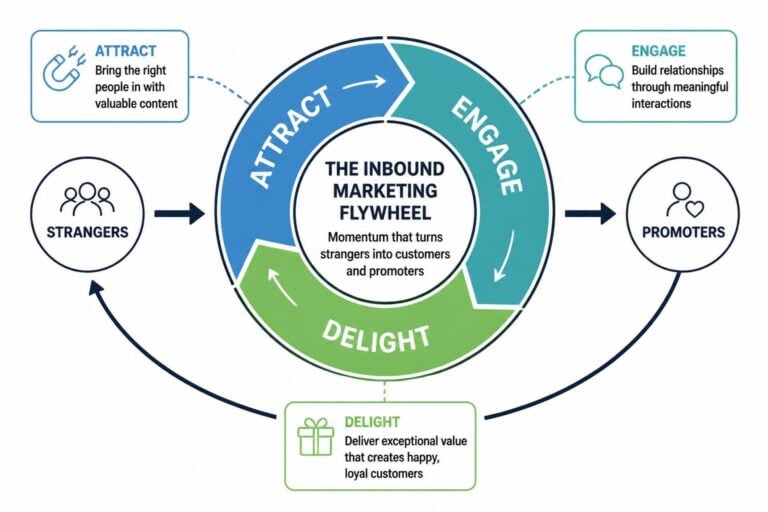
Branded online communities are emerging as critical assets for marketing leads. These forums foster ongoing engagement, encourage user-generated content, and drive peer recommendations. B2B SaaS platforms with active customer forums, for example, see increased retention and referrals.
Peer advocacy is a powerful lever. When users share positive experiences or solutions, trust spreads organically. Marketers who invest in nurturing these communities reap the benefits of a self-sustaining lead engine.
In 2025, the brands that build authentic, engaged communities will consistently outperform those that rely solely on transactional tactics for marketing leads.
Harnessing AI and Automation for Lead Management
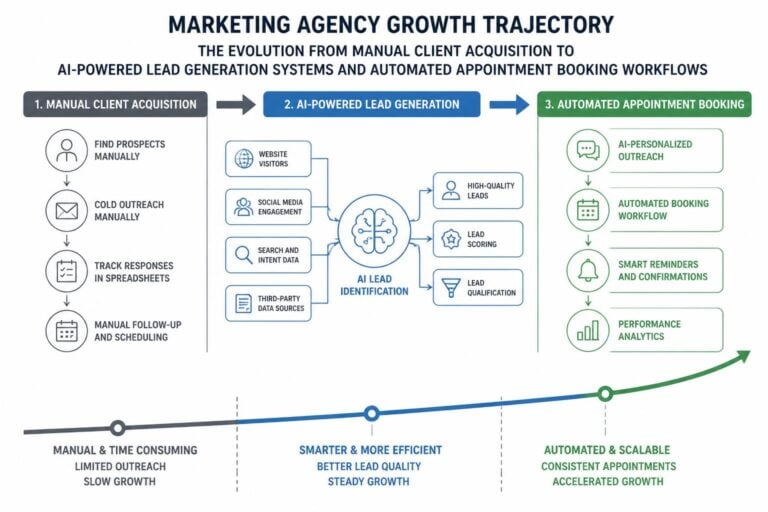
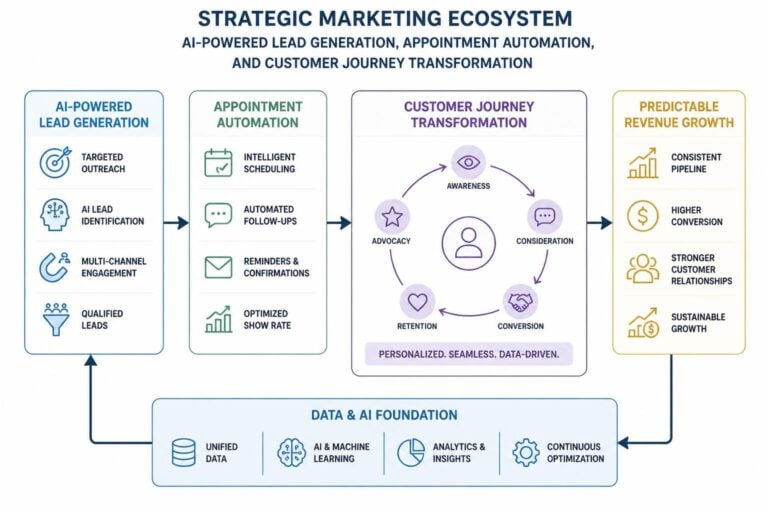
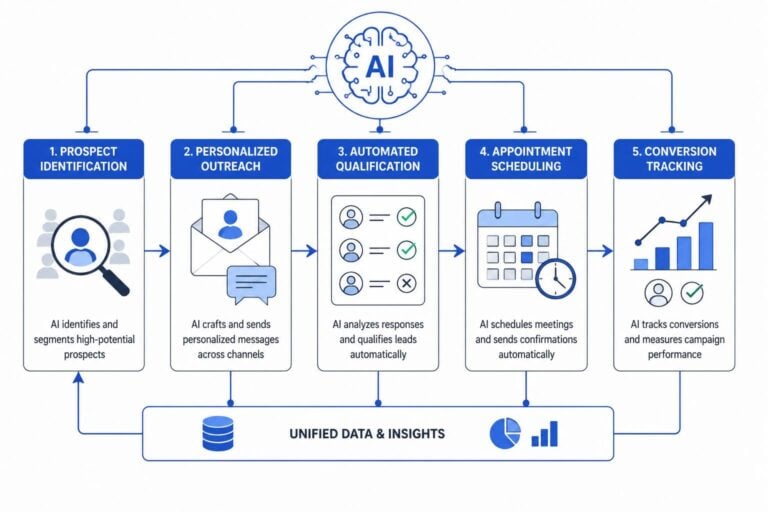
Artificial intelligence and automation are rapidly transforming how businesses manage marketing leads. In 2025, these technologies are not just optional add-ons—they are critical drivers of efficiency, accuracy, and higher conversion rates. By leveraging AI-powered tools, marketers can identify, nurture, and convert marketing leads with unprecedented precision and scale.
AI-Driven Lead Scoring and Qualification
AI-driven lead scoring is revolutionizing how marketing leads are evaluated and prioritized. Instead of relying on gut instinct or manual rules, machine learning models analyze vast amounts of data to predict which leads are most likely to convert. These systems consider factors such as browsing behavior, engagement history, and demographic data.
For example, modern AI tools can flag marketing leads who have interacted with high-value content, visited product pages multiple times, or requested a demo. This real-time behavioral analysis allows sales teams to focus their efforts on high-intent prospects rather than wasting time on unqualified leads.
Predictive analytics further refine the process by identifying patterns that signal buying intent. This ensures every marketing lead receives personalized attention based on their unique journey and readiness to buy.
A quick overview:
| AI Scoring Benefits | Description |
|---|---|
| Accuracy | Identifies best-fit marketing leads |
| Speed | Scores leads in real time |
| Personalization | Tailors follow-up based on behavior |
| Scalability | Handles thousands of leads simultaneously |
By integrating AI into your lead scoring process, you can dramatically increase your team's efficiency and conversion rates.
Automated Workflows for Lead Nurturing
Automation takes the heavy lifting out of nurturing marketing leads. With sophisticated workflows, you can deliver timely, relevant messages to prospects at every stage of their journey. Automated drip campaigns nurture marketing leads with personalized content based on their actions—whether they download a resource, abandon a cart, or request a demo.
Triggers play a crucial role here. For instance, if a marketing lead clicks a pricing page, they automatically enter a workflow that sends tailored case studies and limited-time offers. Integration with CRM and marketing automation platforms ensures no marketing leads slip through the cracks.
Key advantages of automated workflows for marketing leads:
- Consistent communication without manual effort
- Hyper-personalized content that adapts to user behavior
- Efficient segmentation and targeting for higher conversions
By automating these nurturing journeys, marketers can focus on strategy and creativity while ensuring every marketing lead receives the right message at the right time.
Chatbots and Conversational Marketing
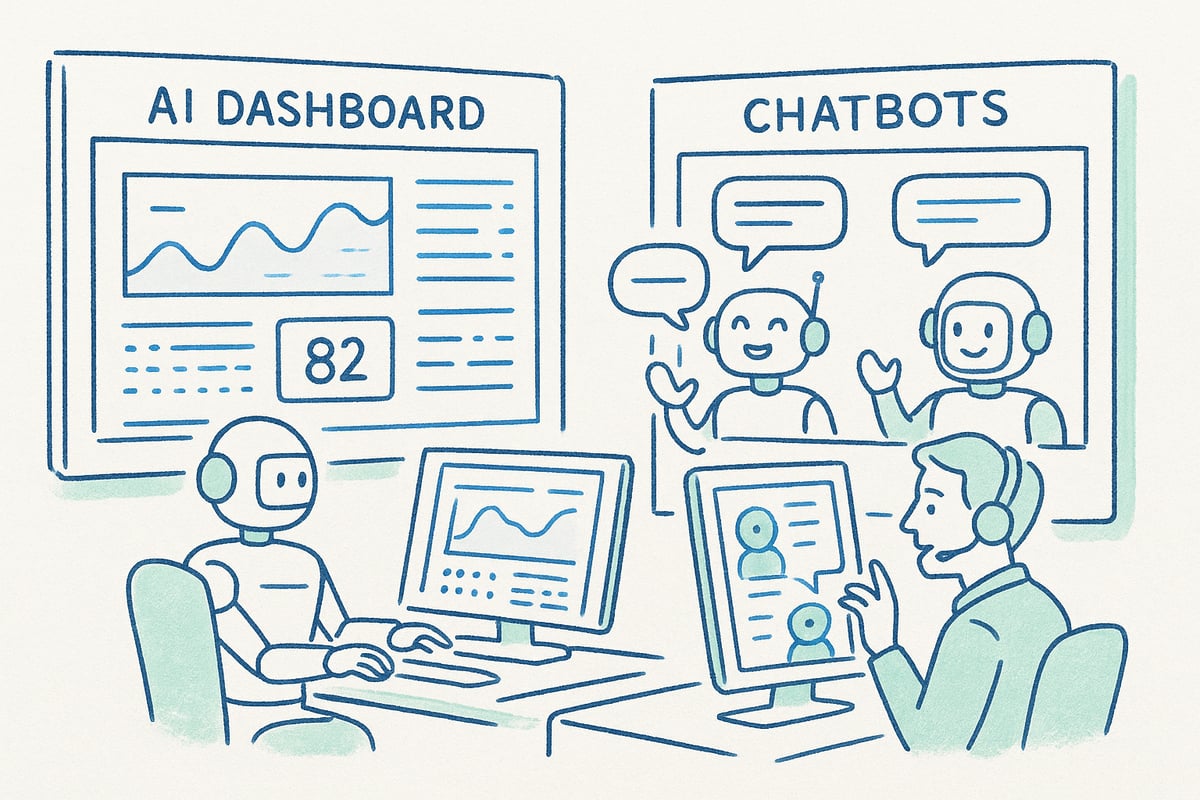
Chatbots have become indispensable for capturing and qualifying marketing leads around the clock. AI-powered bots can instantly answer questions, recommend products, and schedule appointments, creating a seamless experience for potential customers. This level of responsiveness is crucial for engaging marketing leads who expect immediate attention.
Personalization is where chatbots shine. By analyzing user data in real time, bots can tailor conversations, ask qualifying questions, and even offer custom discounts. For example, a B2C brand might use a chatbot to greet visitors, ask about their needs, and book a demo—all within minutes.
For a deeper dive into how AI bots outperform traditional nurture tactics, check out this post on AI in lead generation.
Chatbots not only accelerate the qualification process for marketing leads but also free up human teams to focus on complex, high-value interactions.
The Human Touch: Balancing Automation and Personalization
While AI and automation drive efficiency, the human touch remains essential for converting marketing leads with nuanced needs. Not every situation can be handled by a bot. Complex questions, detailed product demos, and negotiations require skilled sales reps who can build genuine relationships.
The key is to find the right balance. Use automation to handle routine inquiries and initial qualification, then seamlessly hand off promising marketing leads to human experts when deeper engagement is needed. Authentic brand voice and empathy should always shine through, even in automated communications.
A simple rule of thumb: let technology handle the repetitive tasks, but never lose sight of the value that real human connection brings to the marketing leads journey.
Multichannel Lead Generation Tactics for 2025
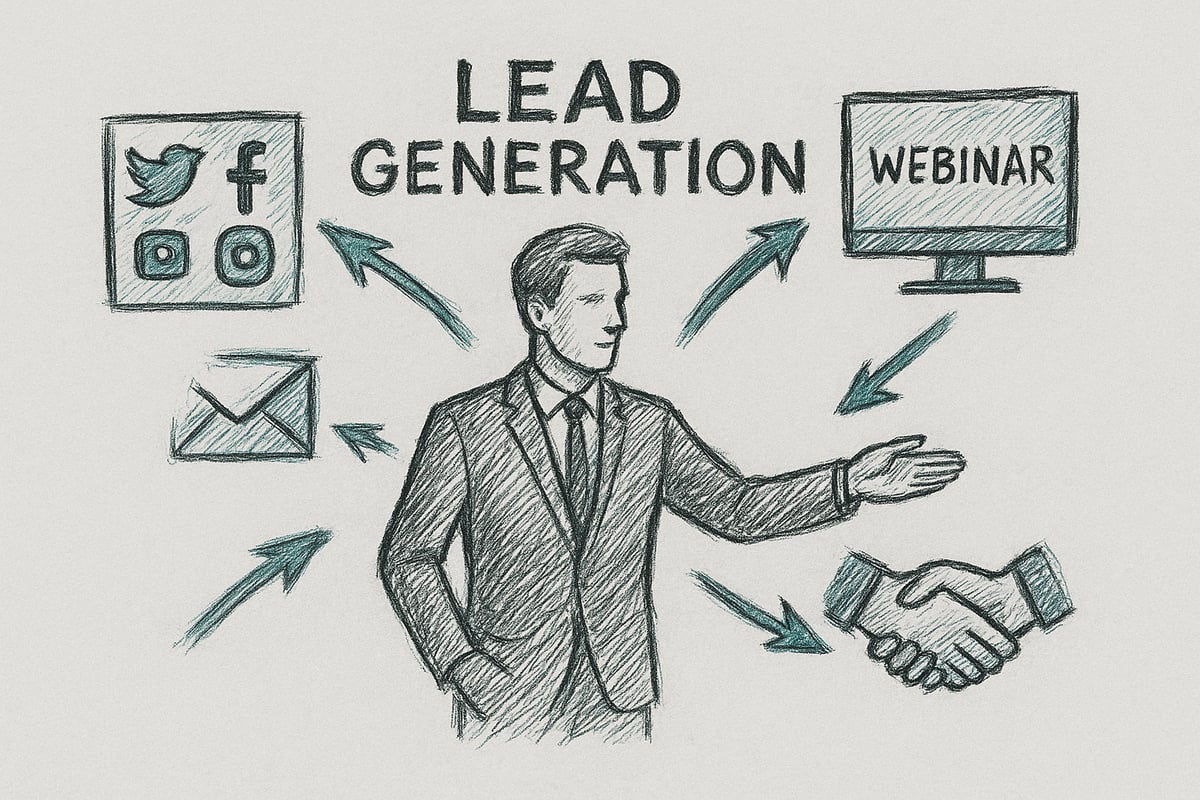
Winning the race for marketing leads in 2025 means meeting prospects wherever they are, online and offline. No single channel delivers all the answers. Instead, brands must synchronize multiple touchpoints to create a seamless, engaging experience for every potential customer. Let’s break down how to integrate, amplify, and optimize your multichannel strategy for maximum impact.
Inbound vs. Outbound: Integrated Approaches
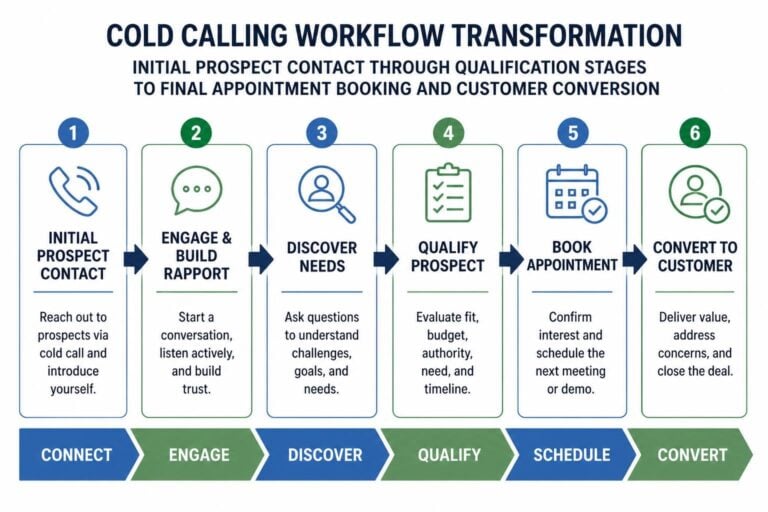
The old debate of inbound vs. outbound isn’t relevant anymore. The best marketing leads come from a blend of both. Inbound tactics like content, SEO, and social media attract prospects who are already seeking solutions. Outbound methods, such as cold emails, calls, and paid ads, proactively reach new audiences and spark interest.
Why choose one when you can combine both? For example, pairing LinkedIn outreach with inbound content campaigns can dramatically increase touchpoints and trust. According to Multichannel lead generation tips, successful marketers in 2025 are integrating their approaches to maximize lead quality and volume.
Key tactics:
- Use personalized outbound messages that reference inbound content.
- Set up retargeting ads for visitors who engage with your blog or downloads.
- Sync your CRM to track every interaction across channels.
When you align inbound and outbound, you reach more marketing leads and build stronger relationships throughout the buyer journey.
Paid Advertising and Retargeting
Paid ads remain a powerhouse for capturing marketing leads, but 2025 demands a smarter approach. Programmatic ads and PPC campaigns now offer granular targeting, letting you zero in on specific buyer personas. AI-driven segmentation makes it possible to deliver relevant offers at the perfect moment.
Retargeting is a must. Many prospects visit your website but leave before converting. Retargeting ads bring them back with personalized offers based on their previous behavior. For example, you can show a special discount to someone who abandoned their cart or offer a demo to those who browsed your product page.
Best practices:
- Leverage dynamic creative to match ads with user intent.
- Test different ad platforms (Google, LinkedIn, Facebook) to find where your audience converts.
- Analyze cost per lead and adjust spend to your highest-performing campaigns.
By optimizing your paid strategies, you’ll generate more marketing leads and boost ROI.
Events, Webinars, and Virtual Experiences
Events are evolving. In 2025, live and on-demand webinars, virtual trade shows, and interactive demos have become lead magnets for brands targeting high-intent marketing leads. These experiences offer value, education, and real-time engagement, making it easier to qualify and nurture prospects.
Consider hosting:
- Webinars with Q&A sessions to address audience pain points.
- Virtual networking events where attendees can connect with your team.
- Interactive product demos that let users explore features hands-on.
A SaaS company, for example, can use interactive demos to showcase solutions and capture detailed contact info from attendees. The key is to make every event engaging and easy to join, so you maximize participation and lead capture.
Partnerships and Co-Marketing
You don’t have to go it alone. Strategic partnerships and co-marketing campaigns open new doors to marketing leads by tapping into trusted audiences. Teaming up with complementary brands lets you cross-promote offers, share resources, and build credibility.
Effective partnership tactics:
- Co-host a webinar or virtual event with a non-competing brand.
- Launch joint content, such as ebooks or whitepapers, to combine expertise.
- Collaborate with influencers to access niche communities.
When both sides bring value, everyone wins. Partnerships expand your reach and generate marketing leads that may have been out of reach otherwise.
Measuring and Optimizing Lead Generation Performance
Measuring and optimizing marketing leads is the engine behind sustainable growth in 2025. With competition intensifying, marketers must track the right metrics, test relentlessly, and stay compliant with evolving data laws. The right approach ensures that every dollar spent brings in better marketing leads, not just more contacts.
Key Metrics and KPIs for 2025
To truly understand the impact of your marketing leads, focus on metrics that matter. These include cost per lead, lead conversion rate, and lead velocity. Tracking these KPIs reveals which channels deliver the highest quality marketing leads and how quickly prospects move through your funnel.
Attribution models, such as multi-touch and data-driven attribution, help you pinpoint which touchpoints contribute most to conversions. For a clear view, many teams use CRM dashboards to visualize each stage of the lead funnel. According to recent data, 50% of marketers consider lead generation a top priority, making performance tracking essential.
| Metric | Why It Matters | Example Tool |
|---|---|---|
| Cost per Lead | Budget efficiency | Google Analytics |
| Conversion Rate | Funnel effectiveness | CRM Dashboard |
| Lead Velocity | Sales cycle speed | Salesforce |
A/B Testing and Continuous Improvement
Continuous improvement is non-negotiable for marketing leads success. Run A/B tests on landing pages, calls-to-action, and content offers to discover what converts best. For example, small changes to headlines or form fields can double conversion rates.
Analyze results with a critical eye. If a test underperforms, review your data and hypothesis, then iterate quickly. Implementing proven lead generation strategies can help you avoid common mistakes and fine-tune your process.
- Test one variable at a time
- Monitor both macro and micro conversions
- Document all changes for future reference
Data Privacy and Compliance
Respecting user privacy is foundational for marketing leads in 2025. With GDPR, CCPA, and new privacy laws, marketers must be transparent about data collection and use. Clear opt-in forms, easy unsubscribe options, and visible privacy policies build trust and boost engagement.
Train your team to stay updated on regulations. Use only the data you need, and prioritize zero-party and first-party data for compliance. This approach not only keeps you legal but also strengthens your reputation with prospects.
ROI Analysis and Budget Allocation
Calculating the true ROI of your marketing leads efforts is critical for growth. Track spend against results to identify your most effective channels. Shift budget to those that bring in high-intent leads and cut back on underperformers.
Use data-driven insights to guide decisions. Regularly review your KPIs, test new tactics, and reallocate resources as needed. With this disciplined approach, you'll maximize the value of every marketing lead and stay ahead in a rapidly changing landscape.
Future Trends and Best Practices for Marketing Leads
The landscape for marketing leads is evolving at breakneck speed. To stay ahead, you need to adopt trends that not only enhance lead quality but also build trust and loyalty. Let’s dive into the future of marketing leads and the best practices that will define success.
The Rise of Zero-Party and First-Party Data
In 2025, the most successful marketing leads strategies will revolve around zero-party and first-party data. Instead of relying on third-party cookies, brands are encouraging users to share information directly. Interactive quizzes and preference centers are powerful tools for collecting this data, offering clear value in exchange for insights.
With privacy regulations tightening, consumers expect transparency and control. By making data sharing voluntary and rewarding, marketers can build trust and create more qualified marketing leads.
Personalization at Scale
Personalization is no longer optional. AI-driven segmentation allows brands to deliver dynamic content tailored to each visitor. Real-time website personalization based on user behavior can dramatically boost engagement and conversions.
Social proof is vital here. For instance, 68% of marketers say social media marketing has helped them generate more leads, highlighting how personalized experiences on these platforms drive results. In 2025, marketing leads will increasingly come from channels where personalization is prioritized.
Voice Search, Visual Search, and Emerging Tech
Emerging technologies are redefining how marketing leads are captured. Voice search is becoming mainstream, with more consumers using smart speakers and assistants to find solutions. Brands optimizing for voice-activated lead capture are gaining a competitive edge.
Visual search is also on the rise. By adapting marketing leads strategies for image-based queries and interactive content, companies can reach users in new, engaging ways. Staying tech-savvy ensures you do not miss out on these high-intent marketing leads.
Sustainability and Ethical Marketing
Consumers are demanding more from brands, especially regarding data use. Ethical marketing leads practices focus on transparency, consent, and responsible data stewardship. Sustainable strategies not only build credibility but also foster long-term relationships.
By prioritizing ethical considerations, marketers can ensure that their approach to marketing leads aligns with evolving societal values and regulatory requirements.
Preparing for the Next Wave
To succeed with marketing leads in the future, agility is key. Stay ready to adopt new tools, platforms, and consumer behaviors. Ongoing education and upskilling for your team will keep your lead generation strategies sharp.
Invest in training, attend industry events, and leverage expert resources to remain competitive. The marketers who adapt quickly will be the ones driving the most valuable marketing leads.
You’ve just explored the latest strategies and tools for turning leads into loyal customers in 2025—and you’re probably wondering how to turn these insights into real, measurable growth for your business. If you’re ready to see how AI-powered marketing can deliver qualified leads and predictable sales, let’s take the next step together. I invite you to tap into Adstra’s expertise and get a custom roadmap tailored to your goals. You don’t have to navigate this evolving landscape alone—we’ll invest in your success every step of the way.
Book a FREE Strategy Call
and see how you can start growing smarter, not harder!