
The marketing world is changing fast, and businesses need to keep up. In 2025, demand generation marketing will be the driving force behind sustainable growth and success.
This guide is designed to help marketers, sales leaders, and business owners master demand generation marketing with proven strategies, frameworks, and tools. You will learn how to build brand awareness, fill your sales pipeline, and generate measurable revenue.
Discover what sets demand generation apart from lead generation, explore the latest technology trends, and get step-by-step tactics to stay ahead. Ready to transform your marketing approach? Dive in and unlock the full potential of demand generation marketing.
Understanding Demand Generation: Definition, Importance & Benefits
Unlocking growth in 2025 requires more than just capturing leads. It demands a strategic approach that creates lasting market interest and drives measurable impact. Let's break down what demand generation marketing is, why it matters, and how it sets your brand up for long-term success.
What is Demand Generation?
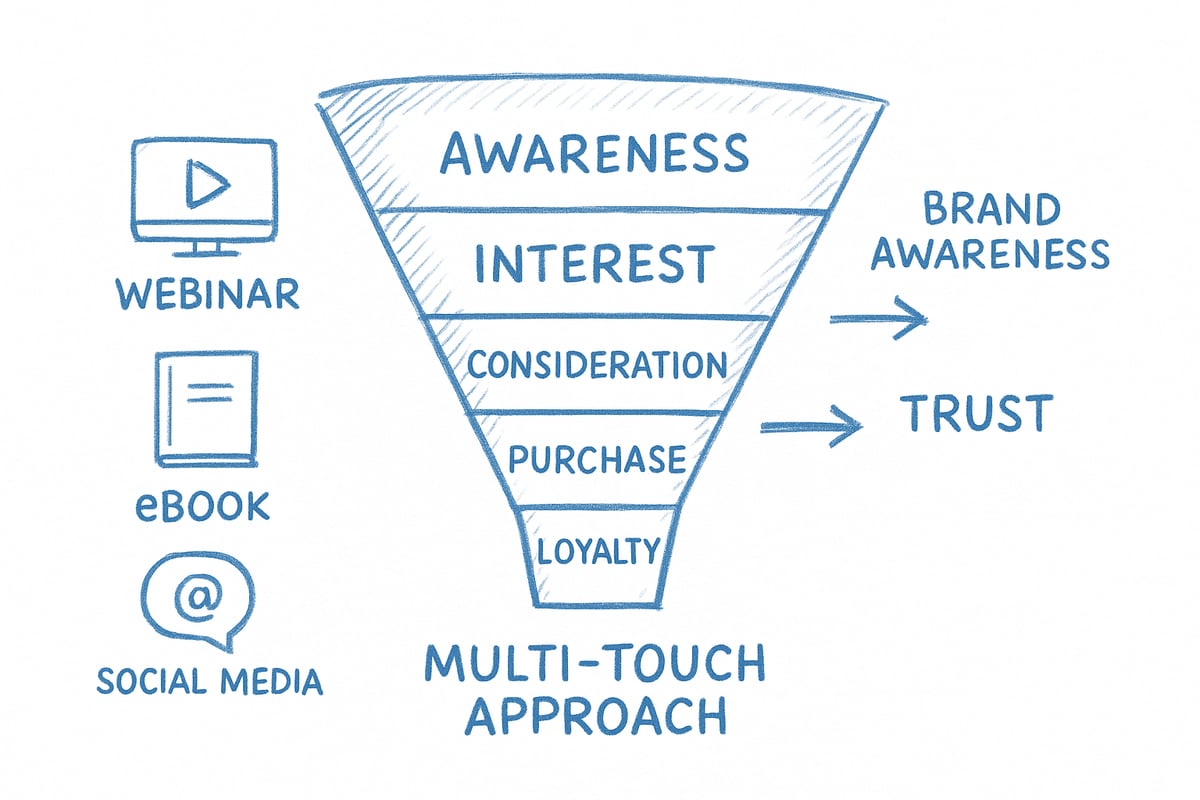
Demand generation marketing is a comprehensive approach focused on creating awareness, interest, and desire for your products or services. Rather than just chasing leads, it aims to build lasting relationships and ongoing market demand.
Think of demand generation marketing as the umbrella that covers the entire customer journey. For example, B2B tech companies often run webinars and publish eBooks to educate and attract new audiences, nurturing them from first touch to loyal customer.
The core idea is simple: demand generation marketing is not only about filling your pipeline, but also about enhancing brand value and authority. It blends inbound marketing, insightful content, and sales enablement to create a seamless path from curiosity to conversion.
Major brands like Amazon Ads define demand generation as the strategy to uncover consumer needs, promote products, and generate qualified leads. This holistic mindset ensures your business is set up for growth—not just quick wins.
Demand Generation vs. Lead Generation: Key Differences
It’s easy to confuse demand generation marketing with lead generation, but the differences are critical. Demand generation focuses on creating broad market interest, while lead generation converts that interest into actionable contacts.
Imagine a social media campaign designed to boost brand recognition—this is demand generation marketing. In contrast, offering a gated eBook download to collect email addresses is a lead generation play.
Failing to distinguish between the two can result in wasted budget and missed opportunities. Both are essential, but they require different tactics and KPIs. Demand generation marketing covers the full journey, while lead generation is a subset focused on capturing data.
For a deeper dive into how these approaches differ and complement each other, explore our Lead generation vs. demand generation resource for actionable insights and best practices.
Why Demand Generation Matters in 2025
Buyer behaviors are evolving rapidly. Today’s consumers research longer, use more digital touchpoints, and expect brands to earn their trust before making a decision. That’s why demand generation marketing is vital for both B2B and B2C companies in 2025.
By investing in demand generation marketing, brands build authority and credibility in crowded markets. For example, SaaS leaders use thought leadership to influence decision-makers well before a purchase is considered. This approach drives awareness and educates prospects before they enter your sales funnel.
Demand generation marketing lays the foundation for scalable, predictable revenue. According to Amazon Ads, it also sets your reputation and builds trust, helping you stand out in a sea of competitors.
Core Benefits of Demand Generation
Implementing a strong demand generation marketing strategy unlocks multiple benefits:
- Increased brand awareness and a stronger reputation.
- Lower overall marketing costs by nurturing and retaining customers.
- Higher quality leads and improved sales conversion rates.
- Shorter sales cycles and a better return on ad spend (ROAS).
For example, brands with robust demand generation marketing programs see greater customer loyalty and reduced acquisition costs. Industry research shows that demand generation can cut future marketing expenses and drive higher ROI, making it a must-have for growth-minded organizations.
The Demand Generation Framework for 2025
In 2025, a winning demand generation marketing program requires a structured approach that adapts to changing buyer expectations and digital habits. The right framework guides your efforts, ensuring you engage audiences at every stage, build trust, and convert interest into measurable growth.
Mapping the Modern Customer Journey
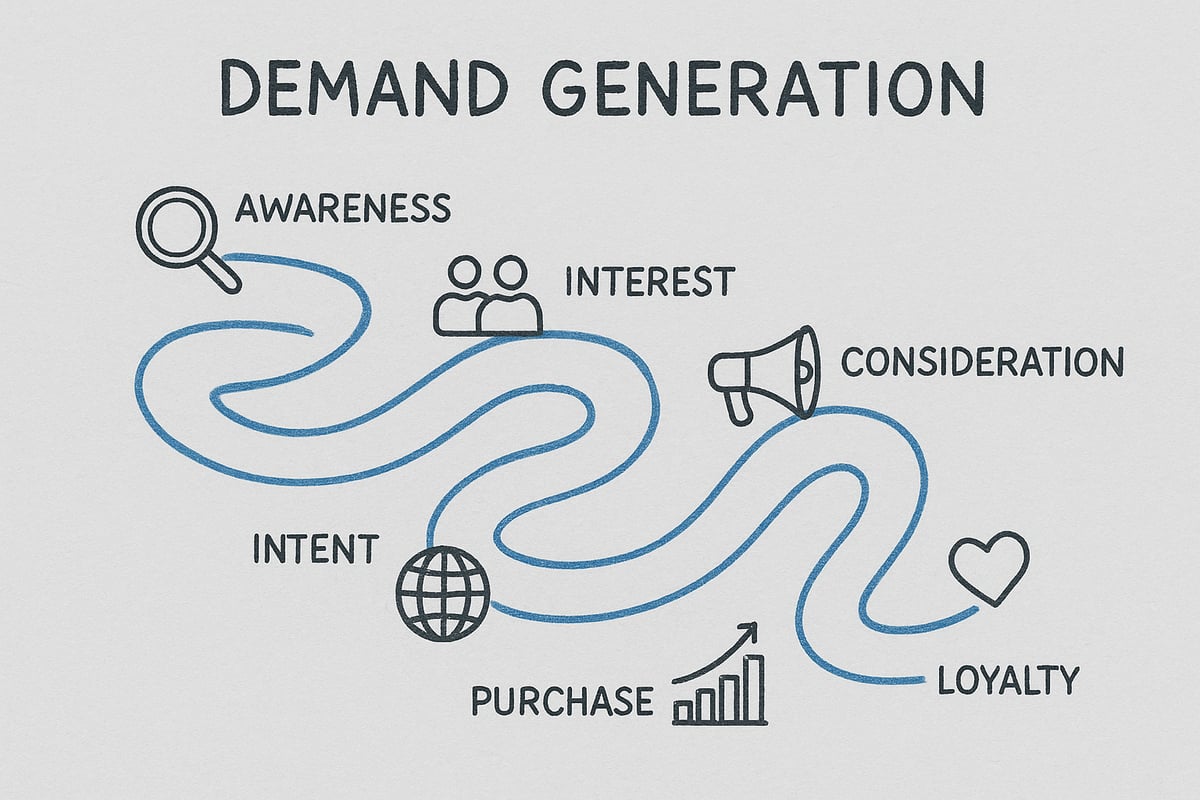
The heart of demand generation marketing lies in understanding the modern customer journey. Buyers move through stages: awareness, interest, consideration, intent, purchase, and loyalty.
Each stage offers unique opportunities to engage. For example, retail brands often use a mix of email, social media, and targeted ads to guide prospects from first touch to loyal customer. Today’s buyers expect seamless, personalized experiences across every channel.
Mapping this journey helps you spot content gaps and uncover improvement areas. Multi-touch attribution is essential, as buyers rarely take a straight path. Remember, demand generation marketing covers the full funnel, not just the top.
Audience Research & Ideal Customer Profiling
Effective demand generation marketing starts with knowing your audience inside out. Use analytics, CRM data, and social insights to identify high-value segments.
Build detailed buyer personas that reflect demographics, pain points, and buying triggers. B2B firms often turn to LinkedIn analytics to refine their personas and tailor messaging. A generic approach wastes budget and limits impact.
Personalization begins here. The more accurately you profile your audience, the more relevant your outreach becomes, setting the stage for stronger engagement and conversions.
Content Strategy for Demand Generation
Content is the engine of demand generation marketing. The most successful brands create a mix of educational blogs, webinars, white papers, videos, and podcasts.
Align each content piece to a specific stage of the customer journey. For instance, a SaaS company may offer a free eBook for awareness, followed by a case study for consideration. High-value content builds trust and positions your brand as a thought leader.
Focus on quality over quantity. Well-researched, actionable content drives engagement and moves prospects closer to a buying decision.
Multi-Channel Campaign Planning
In 2025, demand generation marketing requires an integrated multi-channel approach. Use a blend of social media, search, email, display ads, events, and influencer marketing to maximize reach.
Single-channel campaigns are no longer effective. For example, a product launch might combine paid ads, PR outreach, and live webinars for full-funnel impact. Omnichannel orchestration ensures consistent messaging and better results.
For more insights, explore these demand generation strategies for 2025 to see how leading brands plan and execute campaigns across platforms.
Measurement, Analytics & Optimization
Continuous improvement is a core principle of demand generation marketing. Track key metrics like brand awareness, engagement, pipeline contribution, and return on ad spend.
Adopt robust attribution models to understand what’s working. For example, A/B testing landing pages or emails helps optimize conversion rates. Leaders use analytics to make data-driven decisions and quickly scale what works.
Regular measurement and optimization keep your demand generation marketing efforts effective, agile, and primed for growth.
Essential Demand Generation Strategies for 2025
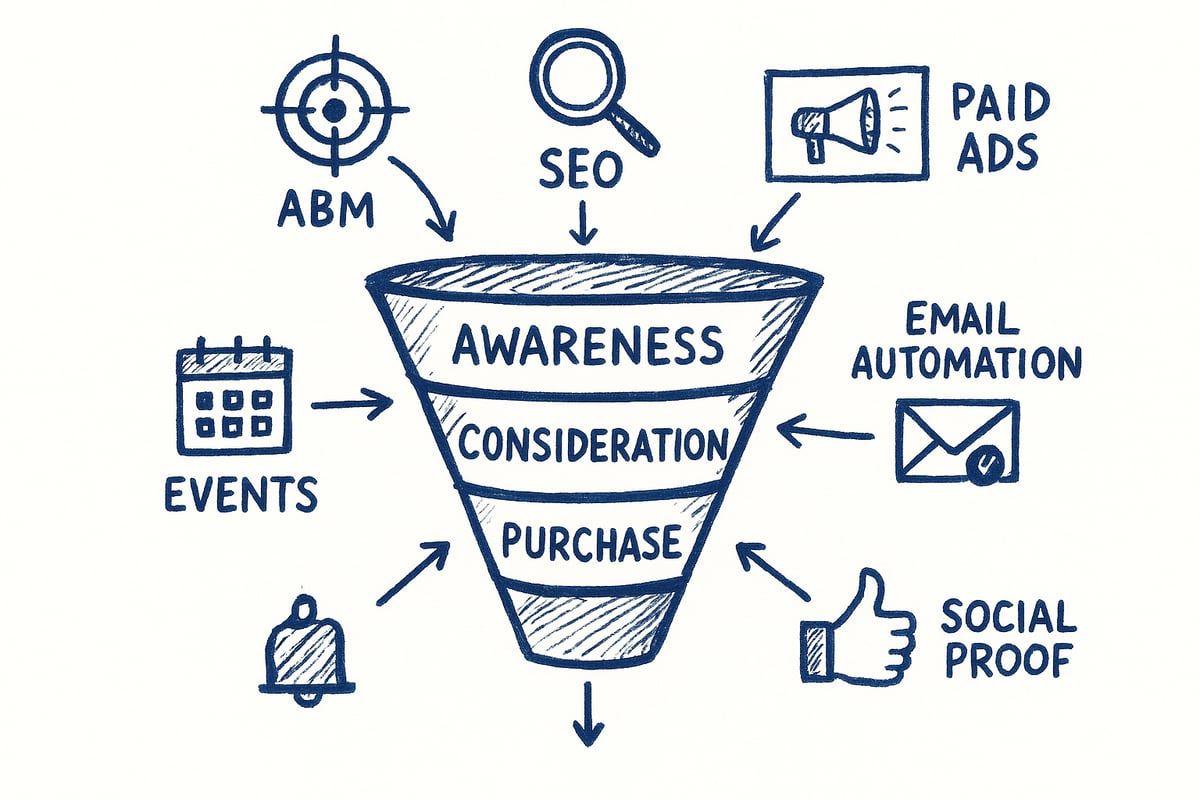
Staying ahead in demand generation marketing means using a mix of proven and emerging strategies tailored to your audience and industry. Here are the essential tactics you need to master for 2025.
Account-Based Marketing (ABM)
Account-Based Marketing is at the core of demand generation marketing for organizations targeting high-value clients. ABM aligns sales and marketing to create personalized campaigns for specific accounts, focusing resources where they matter most.
Imagine an enterprise software company identifying a list of Fortune 500 companies, then crafting custom outreach, tailored content, and exclusive events for each. This approach builds stronger relationships and increases win rates.
Key benefits of ABM in demand generation marketing include:
- Higher ROI from focused efforts
- Shorter sales cycles with decision-makers
- Better alignment between sales and marketing teams
To succeed, invest in research and collaboration. ABM is not a quick fix, but when executed well, it consistently delivers quality pipeline growth.
Inbound Marketing & SEO
Inbound strategies are foundational for demand generation marketing. By creating valuable content that answers prospects' questions and optimizing for search intent, you attract engaged visitors who are more likely to convert.
A SaaS company, for example, might publish a blog series targeting industry pain points, then optimize each post for relevant keywords. Over time, these resources bring in organic traffic and establish the brand as a trusted authority.
As highlighted in B2B Demand Generation Trends & Statistics 2025, organizations that prioritize SEO and inbound marketing see measurable increases in lead quality and conversion rates.
Focus on:
- Researching keywords and user intent
- Publishing consistent, educational content
- Optimizing website UX and technical SEO
Inbound marketing is a long-term play that compounds results year after year.
Paid Media & Programmatic Advertising
Paid media accelerates demand generation marketing by putting your message in front of targeted audiences fast. PPC, display ads, and retargeting campaigns work well for boosting brand awareness and capturing demand at every funnel stage.
A B2B SaaS brand might run LinkedIn Ads aimed at IT directors, combined with Google Ads for high-intent search queries. Programmatic advertising uses automation to buy and place ads efficiently, ensuring you reach the right people at the right time.
Key advantages include:
- Fast, measurable results
- Precise audience targeting
- Ability to test messaging and creatives quickly
Integrating paid media with your broader demand generation marketing strategy ensures you engage prospects wherever they spend their time.
Content Syndication & Thought Leadership
Demand generation marketing thrives on credibility and reach. Content syndication distributes your high-value assets—webinars, white papers, industry reports—across third-party platforms, while thought leadership positions your brand as an industry authority.
For example, a CEO might guest on an industry podcast or contribute an article to a reputable publication. These third-party validations expand your audience and build trust.
Best practices include:
- Partnering with respected platforms and influencers
- Repurposing content for different formats and audiences
- Measuring reach and engagement to refine your approach
Thought leadership is not just about visibility, it is about shaping conversations and attracting top-of-funnel prospects.
Event Marketing & Community Building
Events and communities are powerful demand generation marketing levers in 2025. Hosting webinars, conferences, or virtual summits offers direct engagement with your target audience.
A popular example: An annual user conference featuring workshops, networking, and product demos. These events foster loyalty and turn attendees into brand advocates.
Community building goes further, creating spaces (forums, groups, online communities) where peers can connect, share insights, and support each other. This peer-to-peer dynamic builds trust and keeps your brand top-of-mind.
To win:
- Mix virtual and in-person events
- Encourage interaction and feedback
- Nurture relationships beyond the event itself
Community-led growth will be a defining trend in demand generation marketing.
Email Nurture & Marketing Automation
Email remains a cornerstone of demand generation marketing, especially when combined with automation. Automated nurture sequences guide prospects through the funnel with timely, relevant content.
A company might set up a drip campaign for new leads, sharing educational resources, case studies, and event invites based on user behavior. Personalization is critical: tailor your messaging to match each recipient's interests and actions.
Benefits include:
- Scalable outreach without losing relevance
- Higher conversion rates from segmented lists
- Real-time analytics to identify what works
Marketing automation tools make it easy to test, optimize, and scale your email programs—keeping your pipeline healthy year-round.
Social Proof, Reviews & Case Studies
Trust is the engine of effective demand generation marketing. Prospects want evidence that your solution works, and nothing is more persuasive than real customer stories.
Showcase:
- Customer testimonials on your website
- Detailed case studies highlighting measurable results
- Third-party reviews and ratings
A B2B SaaS brand, for example, can publish in-depth case studies demonstrating how clients achieved specific goals using their platform. Social proof reduces buyer hesitation and increases conversions.
Authenticity matters. Use honest feedback and data to reinforce your brand’s reputation, and encourage customers to share their experiences publicly.
Technology, Tools & Trends Shaping Demand Generation in 2025
The landscape of demand generation marketing is evolving at an unprecedented pace. Technology, data, and changing buyer expectations are rewriting the rules for how brands create and capture demand. Understanding the key tools and trends shaping 2025 will give you a decisive edge.
AI & Automation in Demand Generation
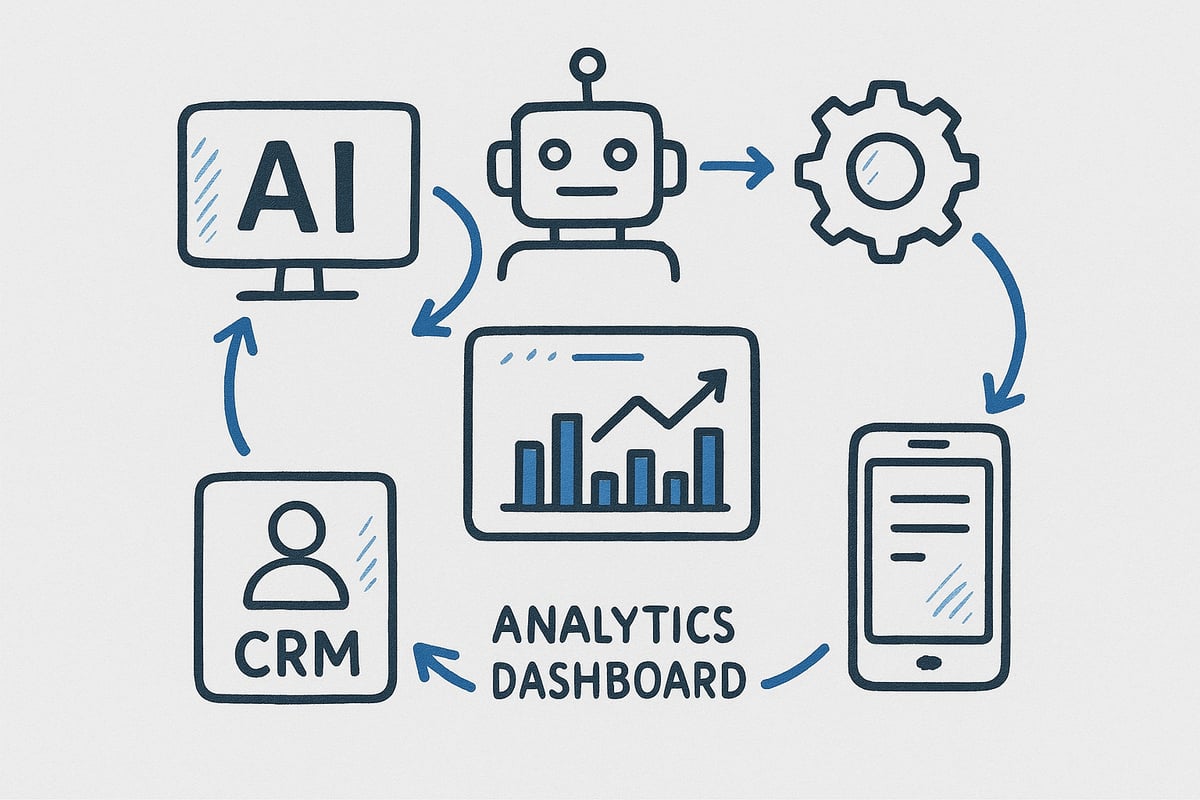
AI-powered tools are transforming demand generation marketing from manual guesswork into a data-driven science. Machine learning now powers lead scoring, campaign optimization, and real-time personalization. Chatbots qualify leads instantly, while AI-driven ad platforms maximize ROI by allocating budgets automatically.
Consider the impact of automating repetitive tasks. Marketers can focus on strategy and creative work, while AI handles segmentation and targeting. Early adopters of these tools consistently outperform competitors. For deeper insights, check out The 2025 AI-Driven Demand Generation Benchmark Report, which highlights how leading brands are leveraging AI across their entire demand generation marketing process.
Data Privacy, Compliance & First-Party Data
Regulations like GDPR and CCPA are changing the way demand generation marketing teams collect and use data. Brands must prioritize transparency, consent, and security at every touchpoint. Relying on first-party data is now critical as third-party cookies phase out.
Interactive content such as quizzes or preference centers can help gather valuable insights while respecting privacy. Building trust through compliance is non-negotiable in 2025. Demand generation marketing strategies that embrace privacy from the start not only avoid legal pitfalls but also foster stronger customer loyalty.
Integrating Sales & Marketing Technologies
Demand generation marketing thrives when sales and marketing technologies work in harmony. Integrating CRM systems, marketing automation, and analytics platforms ensures a seamless journey for every lead. This alignment allows for real-time tracking and efficient handoff of qualified prospects to sales teams.
For example, syncing Salesforce with marketing automation tools creates a unified view of your pipeline. When data flows freely, teams can respond faster and optimize campaigns for better results. Siloed systems, on the other hand, slow down demand generation marketing efforts and hurt revenue growth.
Personalization at Scale
Personalization has become a cornerstone of demand generation marketing. AI and advanced segmentation now enable brands to tailor content, emails, and product recommendations for each user. Dynamic website experiences and adaptive messaging increase engagement and conversion rates.
The challenge in 2025 is delivering this personalization at scale. By leveraging AI, brands can analyze behavior and preferences across channels, ensuring relevance without sacrificing efficiency. Demand generation marketing that nails personalization stands out in crowded markets and drives measurable business impact.
Emerging Channels & Formats
Demand generation marketing in 2025 means staying agile and experimenting with new channels. Podcasts, live streaming, and interactive content are capturing the attention of modern buyers. Platforms like TikTok and Instagram Reels offer creative ways to build awareness and start conversations.
Early adoption of these formats can pay off with outsized returns. Brands that are quick to test and refine their approach will find new audiences and strengthen their market position. Keep an eye on trends and be ready to pivot as user habits evolve to ensure your demand generation marketing stays ahead of the curve.
Real-World Demand Generation Examples & Case Studies
Looking for proof that demand generation marketing drives results? Let’s break down real success stories from B2B, B2C, and enterprise brands, plus the most common pitfalls to avoid. These case studies show what’s possible with the right strategies.
B2B Demand Generation Success Stories
A leading SaaS company set out to triple its qualified leads by revamping its demand generation marketing. They launched multi-channel campaigns, hosted targeted webinars, and used account-based marketing to focus on high-value prospects. By aligning sales and marketing and leveraging gated content, they increased pipeline contribution by 40% within a year.
This approach, which you can see detailed in this B2B SaaS demand generation case study, highlights how education-driven campaigns and precise targeting can deliver exponential results. Demand generation marketing in B2B thrives when you blend content, personalization, and analytics.
B2C Demand Generation in Action
Direct-to-consumer brands are winning big with demand generation marketing that turns customers into advocates. One DTC company partnered with influencers and ran user-generated content contests to boost engagement and trust. They paired this with referral programs and real-time customer reviews across channels.
The result? A 25% surge in brand awareness and a notable increase in new customer acquisition. Demand generation marketing for B2C relies heavily on community, authenticity, and advocacy to spark ongoing demand.
Demand Generation for Enterprise & SMBs
Enterprises and SMBs approach demand generation marketing differently, but both see wins with tailored strategies. An enterprise brand combined programmatic ads with industry events, nurturing prospects over longer cycles. Meanwhile, an SMB used local SEO and automated email nurturing to double appointments in just six months.
The takeaway: Customization is critical. Demand generation marketing is not one-size-fits-all; adapting your approach to your audience and budget delivers the best ROI.
Lessons Learned & Common Pitfalls
Even the best demand generation marketing plans can stumble. Some brands over-prioritize lead gen and neglect brand building, leading to stagnant pipelines. Others lack alignment between sales and marketing, or fail to measure and optimize campaigns.
A common pitfall is ignoring early-stage awareness, which can stall growth. According to 17 Demand Generation Stats Every CMO Needs to See in 2025, brands investing in measurement and cross-team collaboration see the highest returns. Balance, alignment, and agility make the difference in sustainable demand generation marketing.
Step-by-Step Guide to Building Your 2025 Demand Generation Plan
Ready to take your demand generation marketing to the next level in 2025? This step-by-step guide breaks down the process into actionable phases, making it simple to transform your strategy for maximum impact. Let’s walk through each essential step so you can build a high-performing, data-driven plan that drives real business growth.
Step 1: Audit Current Demand Generation Efforts
Begin your demand generation marketing journey by thoroughly auditing your existing efforts. Assess your current campaigns, channels, and content to pinpoint what’s working and where gaps exist.
Review the customer journey and map out every touchpoint, from initial awareness to post-purchase engagement. Use analytics to evaluate which assets drive the most engagement and which stages are underperforming.
For example, you might discover that your mid-funnel content fails to keep prospects engaged, signaling a need for fresh resources. A comprehensive audit helps you establish a clear baseline, setting the stage for targeted improvements and future success.
Step 2: Define Clear Goals & KPIs
Next, set specific goals and KPIs that align with your demand generation marketing objectives. Decide what you want to achieve, such as boosting brand awareness, increasing engagement, or driving more qualified leads into the pipeline.
Align these targets with overall business goals and sales priorities. For instance, you might aim to grow marketing qualified leads (MQLs) by 30 percent over the next year.
Use clear, measurable KPIs to track progress, such as conversion rates, cost per acquisition, or pipeline contribution. Well-defined goals drive accountability and make it easier to optimize your strategy as you move forward.
Step 3: Develop Audience Personas & Messaging
Effective demand generation marketing relies on deep audience understanding. Refresh or create detailed buyer personas using data, analytics, and real customer feedback.
Identify your highest-value segments and tailor your messaging to match their specific needs, challenges, and priorities. Craft campaigns that speak directly to each persona with relevant content and offers.
For example, segmenting by industry or company size can help you deliver more personalized experiences. The more relevant your messaging, the more likely you are to attract, engage, and convert your ideal customers.
Step 4: Plan Multi-Channel Campaigns & Content
Now, map out your demand generation marketing campaigns across multiple channels and content formats. Choose the right mix—social media, search, email, events, video, and more—to reach your audience wherever they are.
Align content to each stage of the funnel, from educational blog posts to in-depth webinars and nurture emails. Integrate paid and organic tactics for maximum reach and impact.
Stay ahead by exploring 10 Demand Generation Trends for 2025 to incorporate the latest tactics like personalization and intent data. Integrated, multi-channel planning ensures your message resonates and drives results.
Step 5: Implement, Measure & Optimize
With your plan in place, launch your demand generation marketing campaigns and monitor performance in real time. Use analytics tools and attribution models to track what’s working and where adjustments are needed.
A/B test creatives, landing pages, and messaging to continuously improve results. For a deeper dive into tracking and attribution, check out How SaaS lead generation tracking increases revenue for practical tips.
Iterate and scale successful tactics. Continuous measurement and optimization are what separate top-performing brands from the rest, ensuring your demand generation marketing efforts deliver ongoing growth.
You’ve seen how the right demand generation strategies can boost your brand, shorten sales cycles, and create real, measurable growth in 2025. But knowing where to start—and how to tailor these tactics for your business—can feel overwhelming. That’s where we come in. At Adstra, we’ve helped businesses just like yours turn cold leads into loyal customers, using AI-driven systems and transparent, growth-aligned partnerships. If you’re ready to put these insights into action and want a roadmap for predictable revenue, let’s talk about your next steps. Take the leap and Book a FREE Strategy Call.